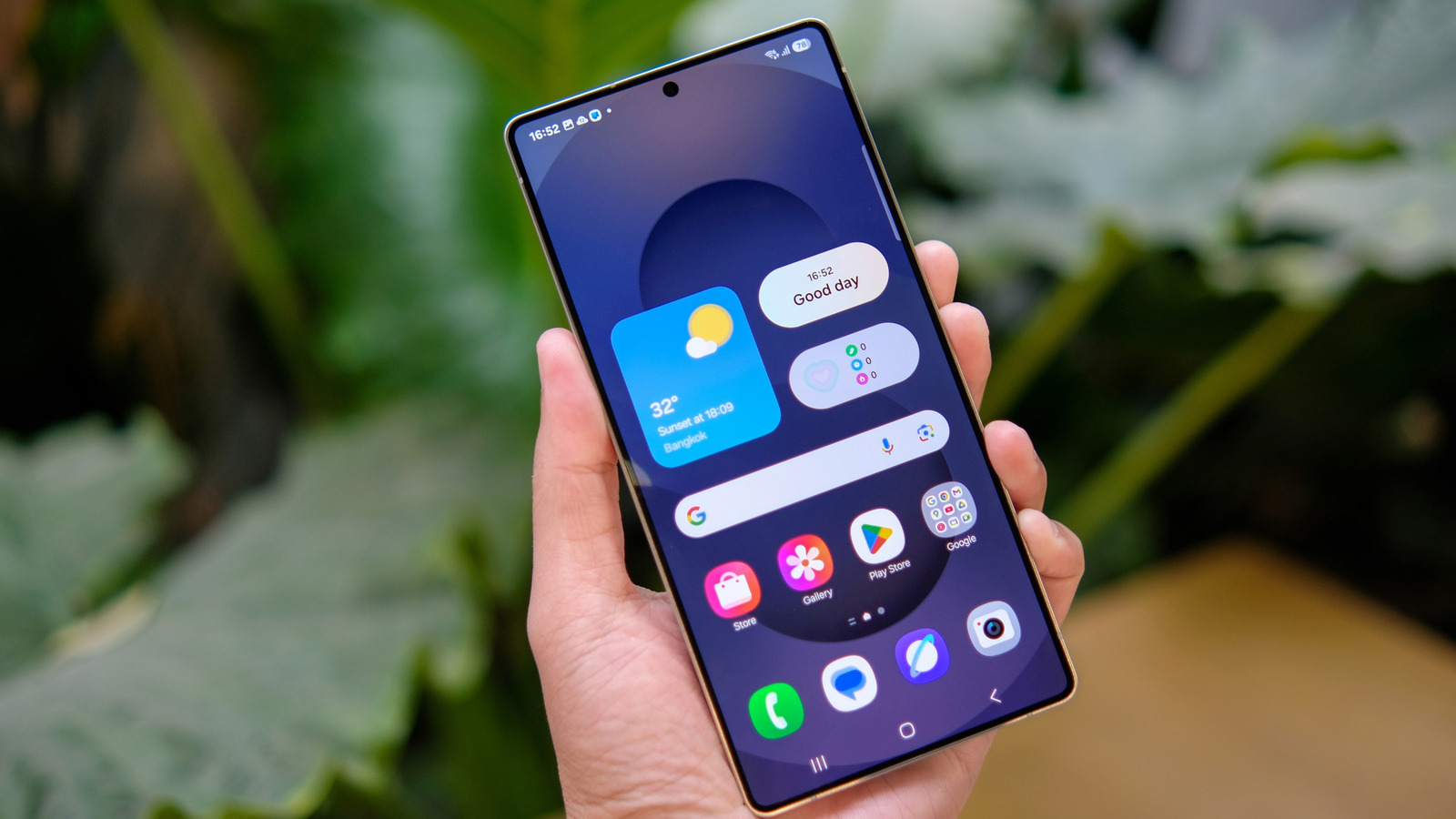
Leaked One UI 8 screenshots indicate Samsung's upcoming Galaxy S26 lineup may include a hardware-driven Privacy Display that reduces side-angle visibility and can automatically activate by app, notification or when entering passwords. The feature could materially differentiate Samsung's flagship displays from Apple’s iPhone 17, potentially improving consumer privacy and product positioning ahead of the S26 launch; however, the information is leak-based and unlikely to have immediate measurable revenue impact absent confirmed specifications or market uptake.
Market structure: Samsung’s rumored S26 privacy-display is a direct win for display makers (Samsung Display, LG Display/LPL, BOE) and a subtle threat to Apple (AAPL) in the premium UX battleground; expect potential 0.5–2.0 percentage-point share shifts in the premium segment over 6–18 months if reviews favor the feature. Pricing power: premium Android OEMs can sustain ASP lifts of $20–$50 per unit if the hardware premium is perceived as valuable, tightening margins for price-sensitive rivals and increasing component demand. Cross-asset: a sustained Samsung outperformance would likely strengthen KRW by ~1–3% vs USD and put modest upward pressure on component supplier equities and implied vol in AAPL around product cycles.
Risk assessment: tail risks include rapid Apple countermeasures (under-display Face ID rollout) or patent/antitrust actions that could nullify Samsung’s edge; low-probability but high-impact downside to Samsung if supply bottlenecks (micro-louver films, polarizers) throttle rollouts. Timing: expect immediate headline volatility around the S26 launch (days), clearer sales/market-share signals in 3–6 months, and structural effects over 12–24 months. Hidden dependencies: supplier concentration for specialized films and capacity constraints could create upward pricing shocks for panels and extend lead times, compressing OEM gross margins.
Trade implications: implement small, time-boxed directional and relative-value trades: buy exposure to display suppliers (SSNLF/005930.KS, LPL) and hedge AAPL directional risk via puts or short exposure; target 1–4% position sizes with defined stop-losses. Options: purchase 30–90 day AAPL put spreads (3–6% OTM buy/sell to cap cost) ahead of launch and sell into any post-launch spike in implied vol. Entry/exit: initiate options 2–3 weeks pre-launch, exit within 7–21 days post-review if no persistent share-shift evidence; hold supplier equities 6–12 months to capture share and ASP effects.
Contrarian angles: consensus may overstate handset-feature-led churn — historically (e.g., early OLED adoption) Apple retained pricing power and share, so market may overreact to leaks; downside risk is Samsung’s feature adding per-unit cost and lowering Samsung margins if adoption requires expensive components. Unintended consequence: privacy-display could spur Apple to accelerate software/privacy features or marketing, muting long-term competitive impact; therefore cap directional exposure and favor pair trades (long suppliers, short AAPL) to isolate feature adoption economics from platform stickiness.
AI-powered research, real-time alerts, and portfolio analytics for institutional investors.
Request DemoOverall Sentiment
neutral
Sentiment Score
0.10
Ticker Sentiment
