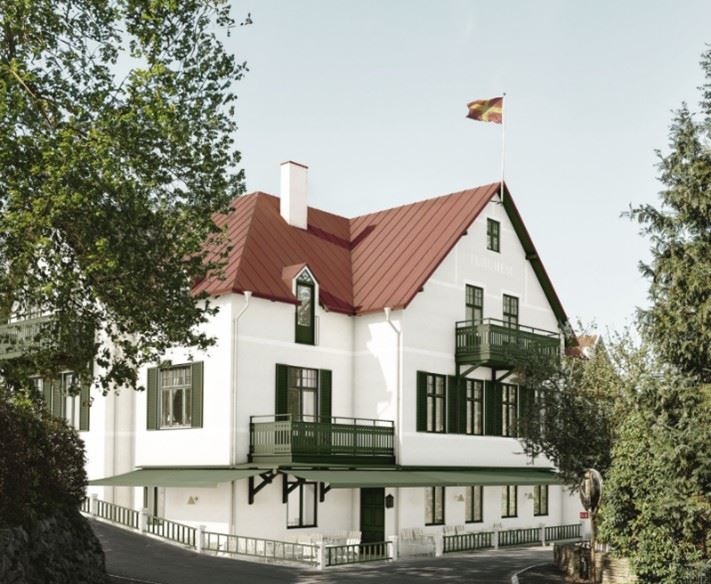
Two high-profile Swedish chefs are expanding hospitality footprints: Magnus Nilsson has opened Furuhem, a hotel-restaurant in southern Sweden that soft-launched its restaurant using local orchards and will start hosting hotel guests in March; Pontus Frithiof, who operates 25 venues, will open La Girafe Uppsala on 1 February, extending the La Girafe brand from Stockholm Arlanda. These openings are modest positives for regional tourism and the Swedish hospitality sector, though they are unlikely to have material market or corporate earnings impact.
Market structure: High-end and travel-adjacent dining (airport concessions, boutique hotels) are direct beneficiaries — operators with captive footfall (SSP Group) and platform distributors (Booking BKNG, Airbnb ABNB) gain pricing power as experiential travel recovers into spring 2026. Domestic casual chains and commodity-heavy mass dining (US casual chains exposed to sticky labor/food inflation) are relative losers as premium spend re-allocates to experiences; expect 1–3% revenue share shifts seasonally in mature markets if passenger traffic rises 3–6% YoY.
Risk assessment: Tail risks include renewed pandemic restrictions, large-scale airport strikes, or a >5% month-on-month drop in European air passengers that would compress concession margins and knock 10–30% off near-term EBITDA at travel-F&B operators. Short-term (days–weeks) sensitivity is to winter/spring travel bookings and FX (SEK/EUR move >3% impacts inbound tourism economics); medium-term (months) depends on consumer confidence and wage/food inflation trends.
Trade implications: Prefer long-exposure to travel-F&B and booking platforms into spring 2026 (1–3 month horizon) using defined-risk options; avoid or trim broad casual-dining exposure. Cross-asset: higher travel activity supports higher yield on cyclical credit vs sovereigns; commodities (energy, food) remain a margin risk for restaurant operators and should be hedged if >2–3% price moves occur.
Contrarian angles: Consensus underestimates airport concession resilience — captive spend often outperforms street restaurants by 5–10% per pax during recovery. If SEK weakens materially (>4% vs EUR) Sweden becomes a cheaper premium destination, boosting regional luxury hotel occupancy into H2 2026; downside is concentrated operator risk (single-chef concepts) that can underperform if reviews/operational gaffes occur.
AI-powered research, real-time alerts, and portfolio analytics for institutional investors.
Request DemoOverall Sentiment
mildly positive
Sentiment Score
0.25
