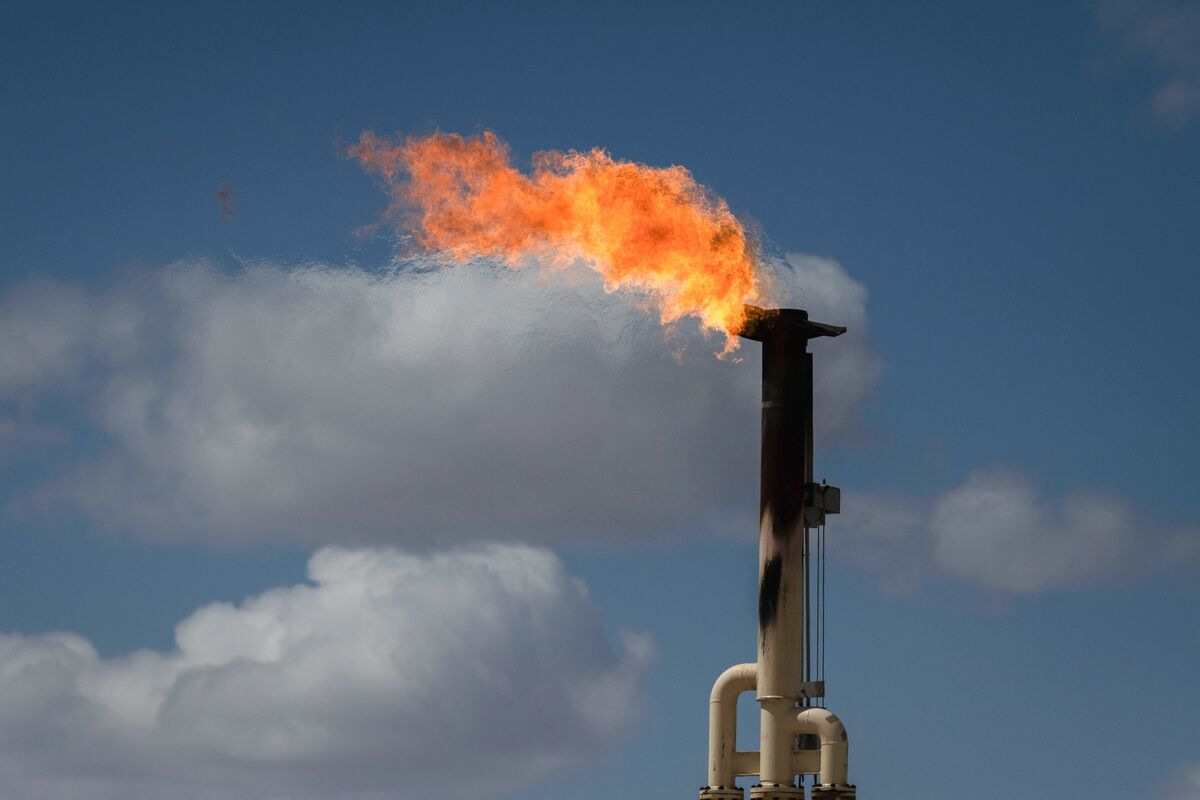
Apex Natural Gas, owned by Citadel, has agreed to buy Texas natural gas assets from Comstock Resources for about $430 million and separately agreed to acquire Haynesville shale assets from Azul Resources (backed by private equity firm Carnelian Energy Capital) for an undisclosed amount. The transactions expand Citadel’s exposure to U.S. gas production and transfer a sizable asset block to a private-vehicle buyer; the deals are material to the firms involved but are unlikely to significantly move broader energy markets given the limited disclosed value.
Market structure: Citadel’s Apex buying $430m of Comstock (CRK) Texas gas assets and additional Haynesville stakes signals private capital filling the bid for mid‑tier upstream cash flows; winner: private owners and asset managers who can run assets with lower G&A and longer hold periods; potential loser: small public E&P names with weak balance sheets that lose M&A leverage. This is unlikely to move national supply materially short term (<1% of U.S. dry gas) but may raise localized production efficiency and downward pressure on basis differentials in targeted basins over 6–18 months. Cross-asset: expect modest tightening in CRK credit spreads on deal-close (basis for 2–6% bond price moves) and idiosyncratic equity volatility; negligible FX impact, small downward pressure on Henry Hub if replicated widely.
Risk assessment: Tail risks include regulatory scrutiny of hedge‑fund ownership of producing assets or asset-operational failures (major well incidents) that could trigger outsized liabilities; low-probability but high-impact within 6–24 months. Immediate (days) risk is disclosure timing/terms; short-term (weeks–months) is re‑rating via use-of-proceeds; long-term (quarters–years) is private consolidation changing breakevens. Hidden dependencies: deal structure (seller financing, contingent payments, reserves proved vs probable) and Citadel’s hedging/derivative positions that could amplify price exposure. Catalysts: CRK 8‑K/10‑Q within 30 days, 1Q production release, and Henry Hub moves >±25%.
Trade implications: Idiosyncratic long in CRK is the clearest public play if proceeds reduce net debt/EBITDA by ≥0.3x — target +15–25% re‑rate in 3–6 months; implement as 2–3% long equity or 0.5–1% 3–6 month call spreads (delta 0.3–0.5). Hedge with 1–2% short in XOP or small‑cap E&P basket to isolate CRK idiosyncrasy; consider buying 6–12 month put protection on XOP if Henry Hub stays below $3/MMBtu. Entry: act within 10–14 days after 8‑K confirming proceeds usage; exit if CRK net debt/EBITDA improvement falls short of 0.2x or stock outperforms +25%.
Contrarian angles: Consensus may treat private buyouts as bullish signal for gas prices; contrarily, private owners target cash yield and may maintain or raise production to maximize cash-on-cash returns, which is bearish for prices over 12–24 months if replicated. Historical parallel: 2016–18 PE shale rollups delivered stable distributions but pressured public comps; mispricing exists if markets award permanent premium to CRK without proven debt reduction or stewardship covenants.
AI-powered research, real-time alerts, and portfolio analytics for institutional investors.
Request DemoOverall Sentiment
neutral
Sentiment Score
0.10
Ticker Sentiment
