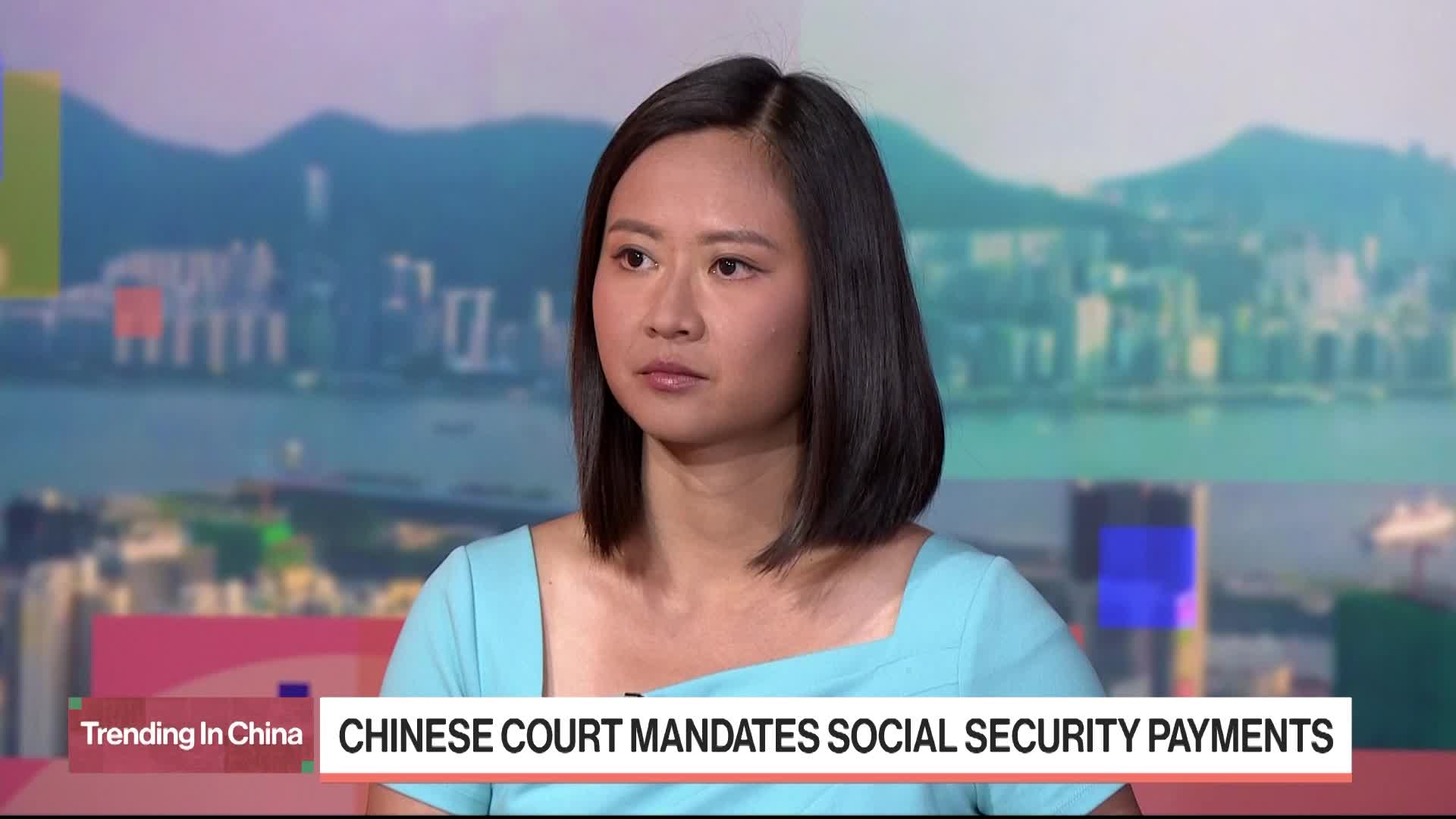
China's top court has mandated that companies and employees must now make mandatory social insurance payments, effective August 1. This new ruling has generated significant online backlash due to concerns it will negatively impact small and medium-sized businesses by increasing their operational costs and financial strain.
A recent ruling by China's highest court, effective August 1, mandates that all companies and employees must participate in the country's social insurance system, eliminating a previously common practice of skipping such payments. This regulatory tightening is creating significant headwinds for small and medium-sized businesses (SMEs), which are now facing an unavoidable increase in operational costs. The strongly negative sentiment surrounding this decision reflects widespread concern that the added financial burden could severely compress margins, potentially leading to reduced hiring, business failures, and a broader drag on the SME sector, a critical component of China's economy. While the policy aims to strengthen the social safety net, its immediate consequence is a direct challenge to the financial viability of smaller enterprises, introducing a new layer of systemic risk into the domestic market.
AI-powered research, real-time alerts, and portfolio analytics for institutional investors.
Request DemoOverall Sentiment
strongly negative
Sentiment Score
-0.60
