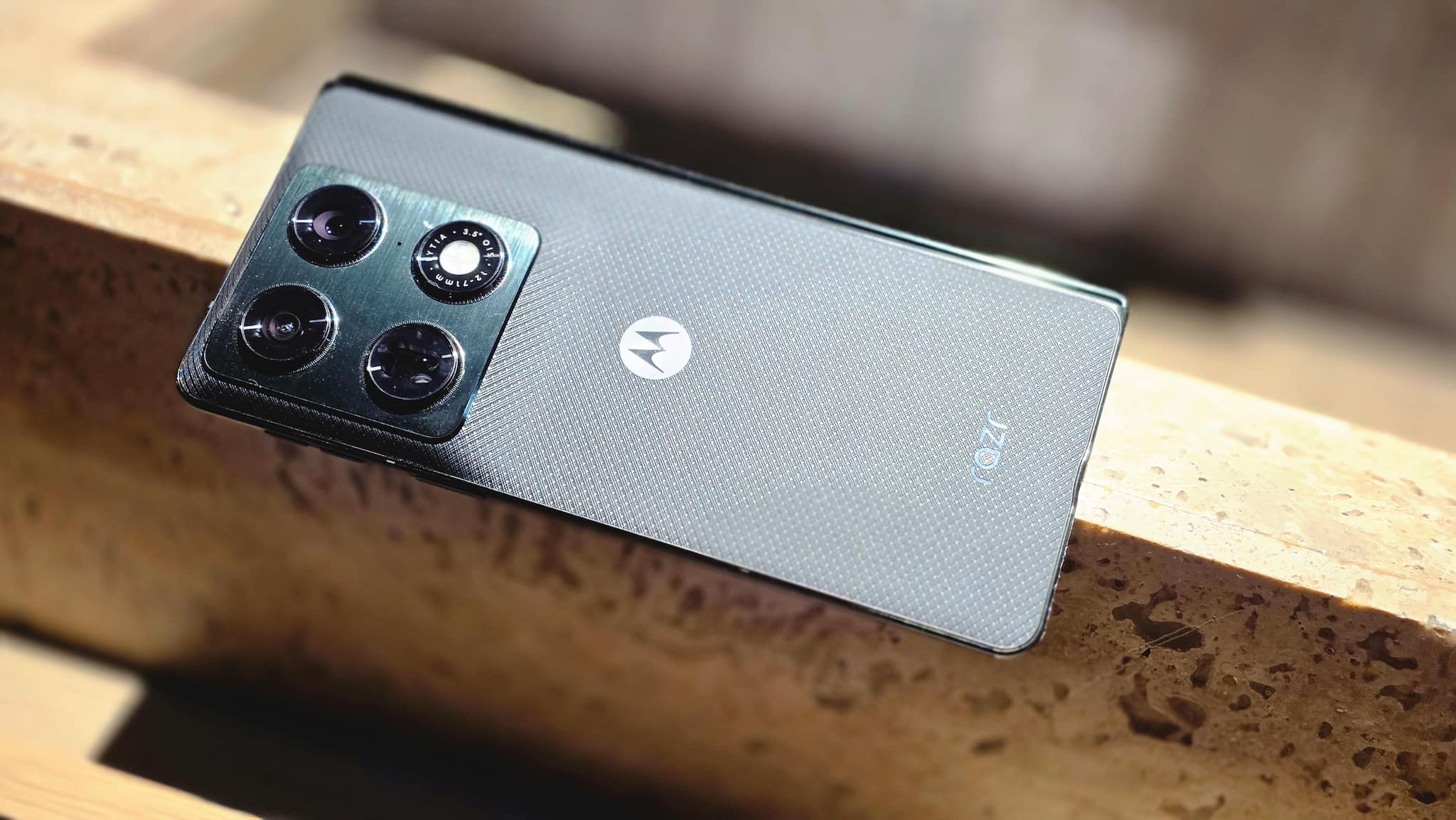
Motorola’s first book-style foldable, the Razr Fold, launches at a Rs 1,49,000 starting price with a 6,000mAh silicon-carbon battery, Snapdragon 8 Gen 5, 16GB RAM, and 512GB storage. The review is broadly positive on design, hinge quality, display, battery life, and camera performance, while noting only minor drawbacks such as the lack of three-app split-screen and no built-in stylus storage. The article is a product review rather than a major market catalyst, so direct market impact appears limited.
The key commercial signal is not the handset itself but Motorola’s attempt to monetize a premium brand halo that competitors have diluted through spec convergence. A foldable that feels “normal” when closed lowers adoption friction, which matters because the category has been constrained less by raw performance than by perceived inconvenience and resale anxiety. That should incrementally support Android premium mix and help component suppliers tied to larger-capacity batteries, flexible OLEDs, and hinge assemblies, while the main risk is that the market still treats foldables as a niche and delays ecosystem scaling. For Qualcomm, the near-term read-through is modestly constructive rather than transformative. Premium foldables tend to skew toward the highest silicon tiers and longer replacement cycles, which is better for ASPs and content per device than unit growth alone; however, any uplift is likely to show up over quarters, not days. The more important second-order effect is competitive pressure on Samsung and Google to defend share with higher memory bundles, stronger trade-ins, and more aggressive promotions, which can cap gross margin expansion across the Android premium stack. The AI messaging is mostly marketing veneer today, but it does matter as a feature-for-feature parity race. If AI keys, summaries, and multimodal shortcuts become table stakes, they will shift purchase decisions toward devices with better software continuity and away from standalone AI branding, which is positive for platform owners and negative for OEMs overpaying for undifferentiated AI UX. The contrarian view is that the battery and hinge improvements may be the real demand driver, while AI is noise; if that’s right, the category can expand without requiring a killer app, making this a hardware refresh story rather than a full ecosystem inflection.
AI-powered research, real-time alerts, and portfolio analytics for institutional investors.
Overall Sentiment
moderately positive
Sentiment Score
0.45
Ticker Sentiment
