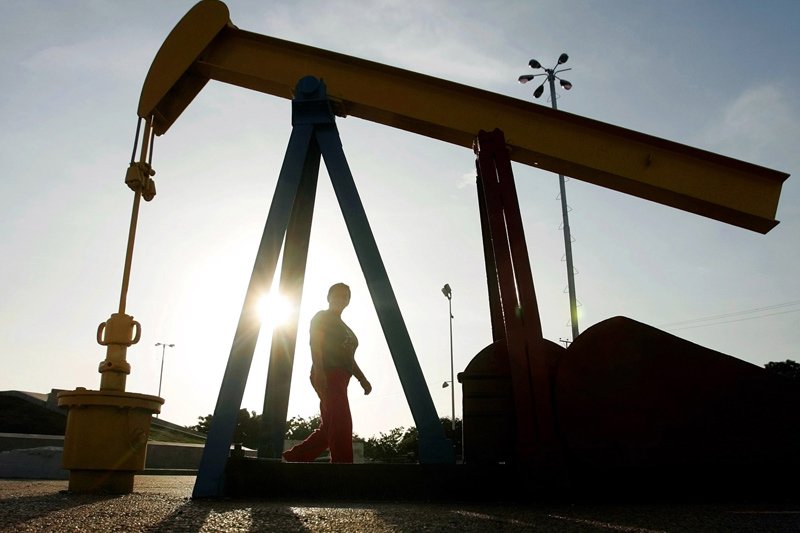
U.S. 10-year Treasury yields rose 3.2 bps to 4.386% after earlier dropping to 4.314% as oil prices reversed higher on reports that Iran would not permit the U.S. to reopen the Strait of Hormuz without reparations. U.S. crude briefly hit $97.46 before settling at $95.10, while Brent traded at $100.65, down 0.61% after touching $102.49 earlier. The news keeps a key global energy chokepoint in focus and supports a risk-off move across rates and energy markets.
The market is starting to price a higher geopolitical risk premium into the entire rates/energy complex, but the more important second-order effect is duration sensitivity: a sustained oil spike would re-anchor inflation expectations and keep real yields elevated, which is a direct headwind for long-duration growth and levered balance sheets. That matters more than the headline move in crude because even a modest repricing in breakevens can delay any easing in financial conditions for weeks, not days.
The obvious winners are the upstream energy and defense-adjacent pockets, but the cleaner trade is in beneficiaries of supply-chain friction rather than pure commodity beta. Shipping, LNG logistics, pipeline throughput, and military/infra names gain optionality if Hormuz risk stays elevated; meanwhile airlines, chemicals, consumer discretionary, and rate-sensitive tech face a double hit from input costs and higher discount rates. The market is likely underestimating how quickly insurance and freight costs can rise even without an actual closure, which can feed through margins before spot crude fully reflects the shock.
The key contrarian point is that this setup is vulnerable to a fast mean reversion if diplomacy creates even a temporary de-escalation window. Because positioning tends to crowd into geopolitical hedges late, energy and defense trades can give back 5-10% in a single session if the probability of disruption falls, while the rates market would rally harder on the unwind of inflation fears. In other words, the risk/reward is asymmetric only if the headline risk persists beyond a few trading days; otherwise the better expression is through short-dated options, not outright longs.
For SMCI and APP, the indirect channel is higher yields compressing multiple expansion and rotating capital away from speculative AI winners. If the oil shock pushes the 10-year back toward the upper end of its recent range, these names can underperform even without fundamental deterioration, making them vulnerable as crowded momentum holdings rather than as single-name stories.
AI-powered research, real-time alerts, and portfolio analytics for institutional investors.
Request DemoOverall Sentiment
mildly negative
Sentiment Score
-0.15
Ticker Sentiment
