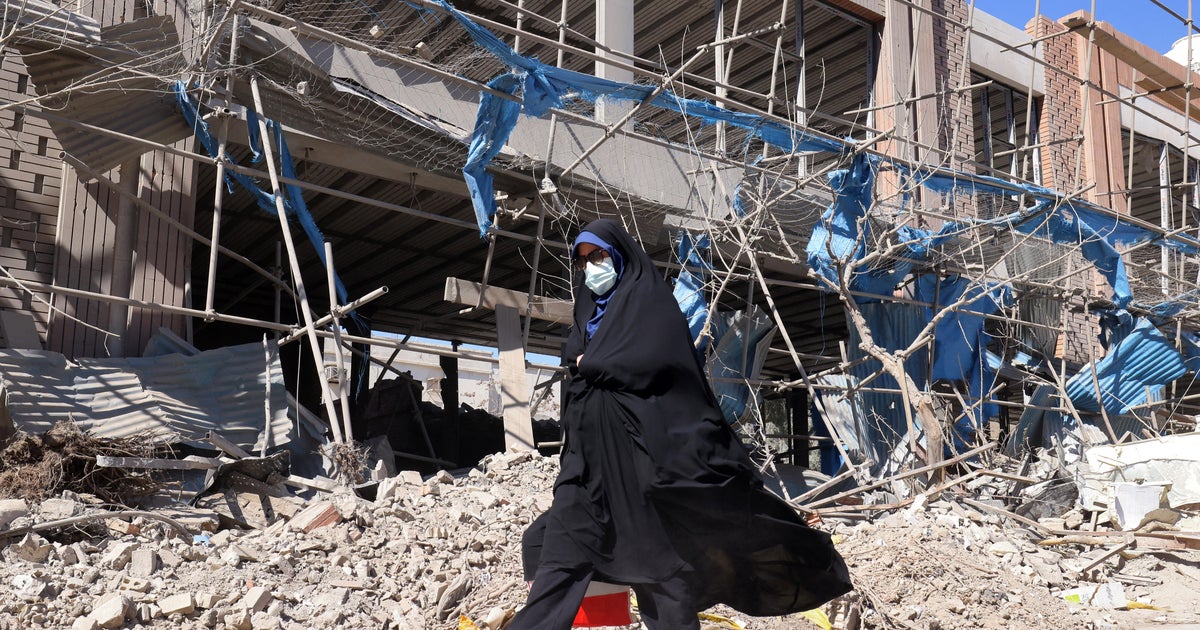
U.S. and Israeli forces continued precision strikes on Iran while Tehran launched sustained missile and drone attacks against Israel, Gulf allies and commercial shipping, with U.S. Central Command reporting six U.S. service members killed and 18 seriously wounded and the Iranian Red Crescent reporting at least 787 dead. U.S. and Israeli assessments estimate roughly half of Iran’s ~500 ballistic missile launchers have been destroyed and expect 70–80% destruction by week’s end, though many launchers are hardened or underground. Attacks have struck U.S. embassies, prompted evacuations across Gulf states including the UAE, and raised the prospect of a protracted campaign after the U.S. president said the conflict could extend beyond an initial four-to-five week projection. Key market implications are elevated oil and shipping risk through the Strait of Hormuz, higher insurance and defense sector demand, and increased regional volatility that could pressure risk assets and energy prices.
Market structure: Defense contractors (LMT, NOC, RTX) and oil majors (XOM, CVX) are immediate beneficiaries as budgets and risk premia reprice — expect 10–25% relative outperformance for defense and 8–20% for integrated oil over 3–12 months if the conflict persists. Clear losers are commercial travel (JETS, AAL, UAL, CCL) and regional banks/airports in the Gulf; airline capacity/utilization can compress revenue 20–50% in the near term.
Risk assessment: Tail scenarios include closure of the Strait of Hormuz or broader regional escalation (10–15% probability) driving Brent +$20–$40 and oil-exporter currencies rallying; supply-chain insurance and shipping reroutes could add $3–6/barrel in structural cost. Time horizons: days — volatility spikes and flight-to-quality; weeks/months — inventory and SPR responses; quarters/years — defense budgets and energy capex reallocation. Hidden dependencies: insurance/charter costs, satellite/cyber risk to infrastructure, and discretionary consumer pulls that could trigger stagflation and central bank tightening.
Trade implications: Favor short-duration risk-off hedges (GLD, VIX calls) and selective long defense/oil equity exposure funded by short airlines/travel names; use 3–6 month option call spreads on LMT/NOC and 1–3 month put or short ETF positions on JETS/AAL. Entry/exit should be signal-based: add longs if Brent > $95 or VIX > 30; trim if conflict de-escalates and Brent falls 15% from peak.
Contrarian angles: The market may overpay for defense single-name convexity — large cap legacy primes already price multi-year backlog; if stoppage is resolved within 2–4 weeks (histor analog: 1990 Gulf War compressions), defense and oil risk premia could mean-revert 15–30%. Conversely, prolonged disruption will reveal underinvestment in midstream/insurance, creating second-order winners (reinsurers, MLPs) not yet priced.
AI-powered research, real-time alerts, and portfolio analytics for institutional investors.
Request TrialOverall Sentiment
strongly negative
Sentiment Score
-0.70
