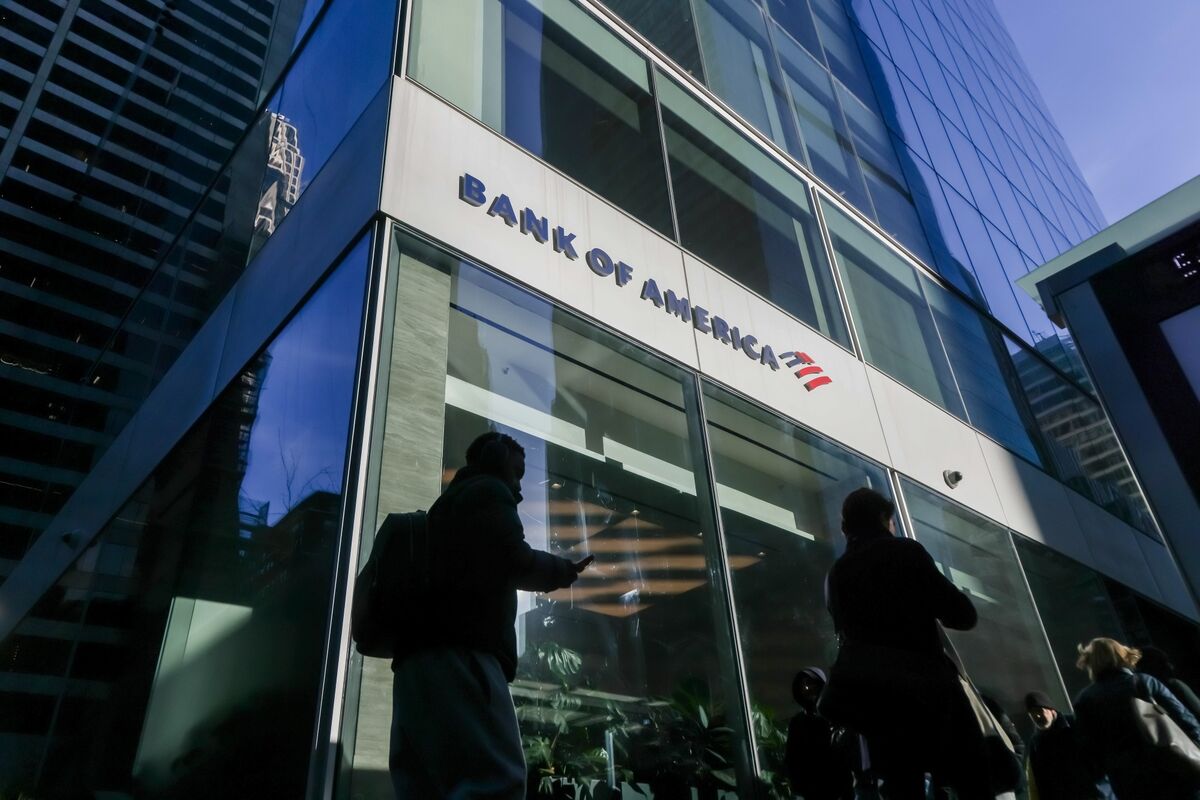
Bank of America expects about $190 billion of US investment-grade bond issuance in May, roughly $15 billion above April and the busiest month since the Covid-19 pandemic. The surge is being driven by hyperscaler fundraising, M&A, and data-center financing, with issuers front-loading deals ahead of potentially higher Treasury yields and borrowing costs. The outlook is supportive for primary credit activity, but it also reflects caution around rising rates and oil prices.
The key market implication is not just heavier primary supply, but the timing: issuers are effectively monetizing a narrow window before rates and spreads can reprice higher. That creates a short-lived technical headwind for IG secondary, especially in longer-duration paper where concession can widen first and then linger even if rates stabilize. In practice, the biggest beneficiaries are balance-sheet-heavy banks and syndicate desks that capture fee flow, while the weaker side is duration-sensitive bond holders who may be forced to accept poorer execution if everyone rushes the same calendar. Second-order effects matter more than the headline volume. A surge in financing for hyperscalers, M&A, and data-center builds shifts capital away from equity and toward debt markets, which can temporarily support mega-cap tech by lowering near-term funding uncertainty while also pressuring smaller rivals that cannot tap markets on similar terms. If energy prices keep rising, the cost of capital channel becomes self-reinforcing: higher input costs push more issuers to pre-fund, which front-loads supply and can steepen spreads even if default risk is not deteriorating. The contrarian view is that this is more a duration trade than a credit-quality story. A record month of issuance is often read as a sign of issuer confidence, but in this setup it may simply be rational hedging against rising Treasury yields; that means the market can absorb the calendar if real yields stall or recession probabilities rise again. The real downside risk is a sharp backup in rates over the next 2-6 weeks: that would hit both new issue concessions and existing IG marks, especially in 10- to 30-year maturities. For BAC specifically, the near-term upside is in fee revenue, but the more interesting angle is that a heavy syndication window tends to improve market share and trading volumes across fixed income, supporting a short-term earnings tone. The risk is that a disorderly rate move or spread widening later in the quarter reduces pipeline quality and leaves the bank with strong headline activity but weaker follow-through. That makes this a tactical positive for financials, not a durable one, unless issuance remains elevated into June.
AI-powered research, real-time alerts, and portfolio analytics for institutional investors.
Request DemoOverall Sentiment
mildly positive
Sentiment Score
0.15
Ticker Sentiment
