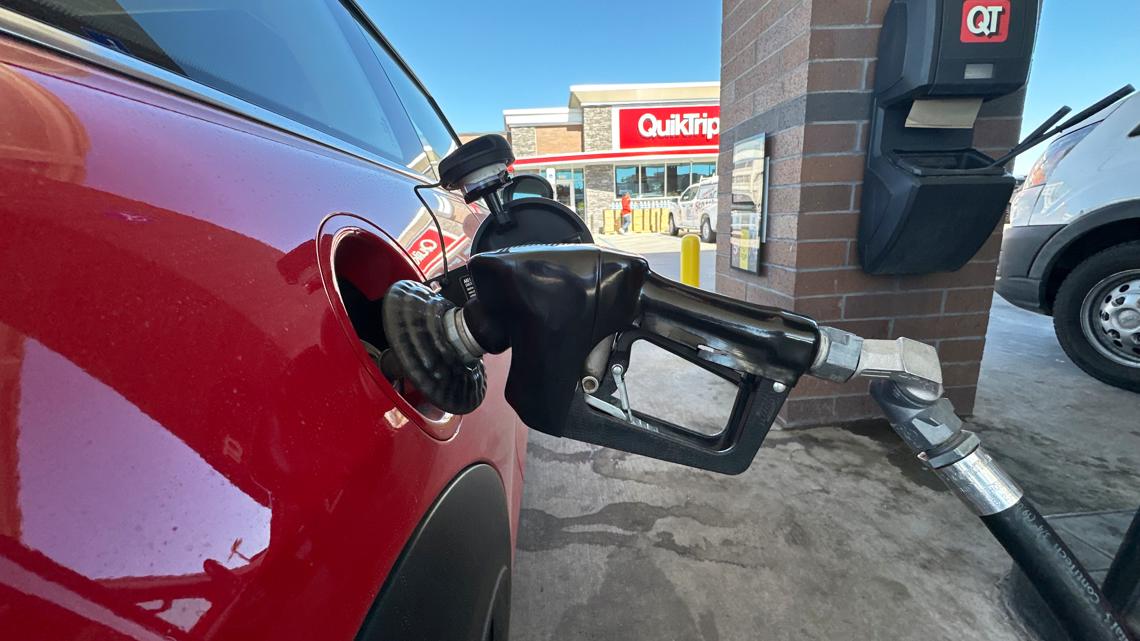
Brent crude has surged above $100/barrel, reaching as high as $119, and the U.S. national gasoline average topped $4/gal, creating immediate upward pressure on inflation and consumer costs. Heating oil in Maine averages $5.40/gal (up ~41% since the war began) and fertilizer prices rose ~25% to roughly $10,000 per truckload, threatening agricultural output and food-price inflation. The shock is producing large intraday S&P 500 swings and complicating Federal Reserve rate decisions, implying a market-wide risk-off environment with elevated volatility.
The shock to energy and transport costs is operating like a regressive tax that compresses margins unevenly across the economy: low-margin, fuel-dependent businesses (local fisheries, small farms, last-mile fleets) face immediate cash-flow stress while large integrated firms and commodity producers have faster pass-through or hedging capacity. That differential will force a reallocation of working capital and credit demand toward smaller operators, raising regional credit stress and receivables duration in the next 1–3 quarters.
Financial markets are pricing a higher-for-longer inflation tail that can reanchor real-rate trajectories and term premia; if central banks respond to persistent core pressure, expect a risk-off re-pricing concentrated in rate-sensitive growth equities and long-duration assets within weeks to months. Simultaneously, commodity-forward curves and volatility markets are likely to stay elevated, keeping option premia rich and making delta-hedged commodity exposure expensive but directional positions more rewarding on realized moves.
At the corporate level, platform gig models (rideshares, delivery) face a supply-side squeeze: declining driver economics reduce available capacity, which can either force gross fares up (hurting demand elasticity) or depress take-rates if platforms subsidize supply to maintain liquidity. Network effects create asymmetrical outcomes: incumbents with diversified delivery vs. mobility revenue can offset margin pressure, whereas pure-ride operators will see more pronounced margin volatility and potential market-share erosion if they misprice subsidies.
Key catalysts to watch are escalation/de‑escalation outcomes, strategic inventory releases (government or commercial), and demand feedback (consumer discretionary retrenchment). Reversal scenarios are plausible within 30–90 days if supply routes re-open or demand destruction reduces commodity prices; conversely, slower-moving agricultural and fertilizer impacts can persist through planting seasons and influence food inflation for 6–12 months.
AI-powered research, real-time alerts, and portfolio analytics for institutional investors.
Request DemoOverall Sentiment
strongly negative
Sentiment Score
-0.60
Ticker Sentiment
