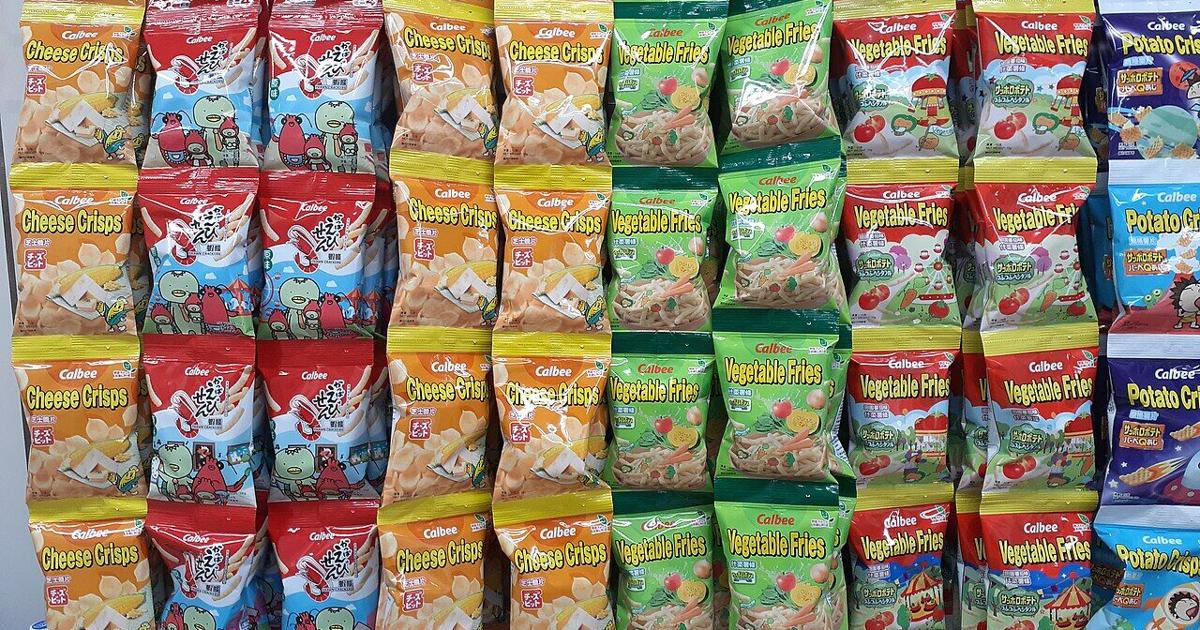
Calbee will temporarily switch 14 snack products to black-and-white packaging starting this month after disruptions in securing naphtha, a crude-oil derivative used in printing inks, amid Middle East tensions. Japan imports more than 90% of its oil and 40% of its naphtha from the Middle East, and other manufacturers are reporting similar packaging and input shortages. The impact appears company-specific for now, but it underscores broader supply-chain pressure from the Iran war.
The immediate signal is not snack packaging; it is that a relatively low-value, high-visibility input is now being rationed in a way that exposes how thin Asia’s petrochemical buffers are. When a dominant consumer brand is forced to simplify packaging, smaller food, personal-care, and specialty chemical firms with less procurement leverage will likely be next, because they cannot secure priority allocation once converters begin protecting only their largest accounts. The first-order margin hit is modest, but the second-order effect is broader: substitution to plain packaging is a visible tell that upstream inventories are getting tight before it shows up in official trade data.
The more interesting trade implication is that this is a late-cycle inflation impulse for Japan and broader Asia, not just an oil story. Naphtha-linked shortages tend to pressure not only packaging but also plastics, coatings, and a range of consumer staples where cost pass-through is delayed by 1-2 quarters, so the real earnings risk lands after the headline geopolitics fades. That makes the setup asymmetric for companies with low pricing power and heavy Asia exposure, while integrated energy and select petrochemical producers with feedstock control should see less margin compression than the market typically assigns.
Consensus is likely underestimating duration risk: even if crude retraces, naphtha and derivative resin markets can stay tight because the bottleneck is logistics and allocation, not just price. The counterpoint is that the current move may remain mostly cosmetic if inventories are sufficient and the conflict does not intensify; that argues against chasing a broad consumer short on day one. The cleaner expression is to fade downstream packaging and Asia consumer names on any rally while staying long energy/commodity balance-sheet strength as a hedge against a sharper supply shock over the next 1-3 months.
AI-powered research, real-time alerts, and portfolio analytics for institutional investors.
Request DemoOverall Sentiment
mildly negative
Sentiment Score
-0.20
