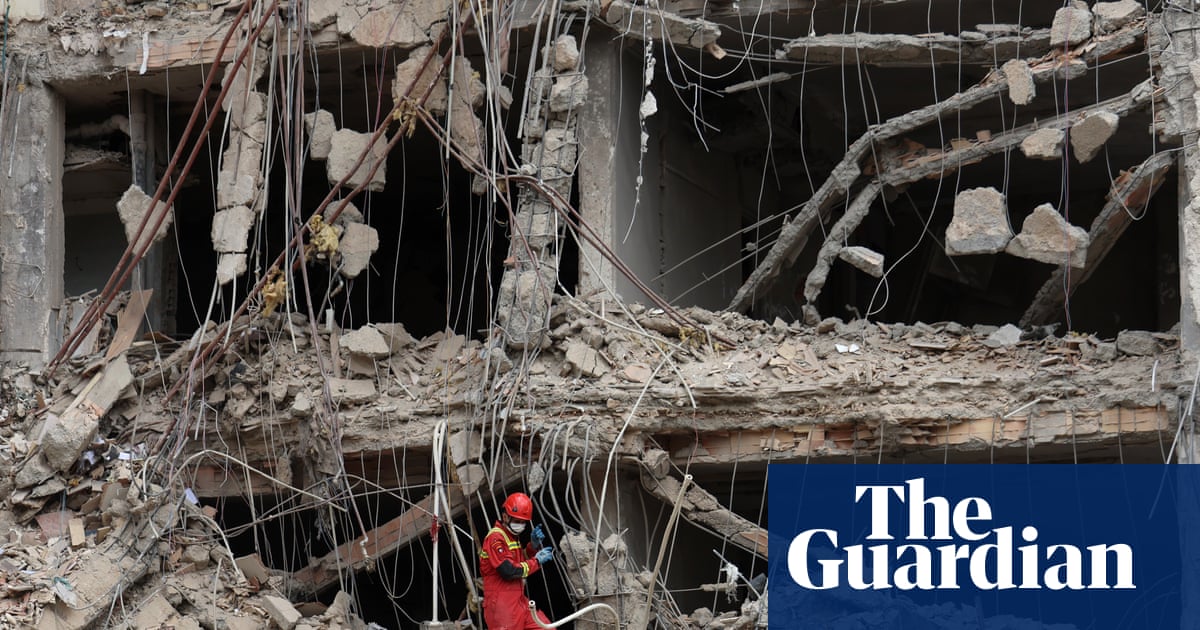
U.S. President Trump announced a postponement of a planned attack on Iran's energy infrastructure after claimed talks with Tehran, but regional escalation risk remains high. Iran's grid capacity (~100,000 MW) could leave ~90 million people without power if struck, while the five largest plants supply only ~10% of generation (vs 50% for Israel's top five), complicating attack efficacy; over 3 million Iranians are estimated internally displaced. Iranian threats to mine and block the Strait of Hormuz and reports of possible land seizures of Kharg island risk major disruptions to Gulf oil exports and shipping; Israeli thinktank claims Iran may have ~120 of 450 missile launchers (~25%) remaining.
Near-term market mechanics will be driven less by crude fundamentals and more by transportation/insurance economics: a credible threat to the Strait immediately creates a war-risk premium that can multiply VLCC/Tanker time-charter rates 2x–5x within days, reprice bunker and freight passes through to refiners, and push a Brent-forward spike even if physical flows are only partially disrupted. Expect backwardation in Brent to steepen for 1–6 weeks as near-term barrels become scarce and storage demand for arbitrage rises; this is a liquidity/time-premium shock rather than a sustainable supply deficit unless disruption lasts months.
If escalation shifts from symbolic strikes to mining or seizure of export chokepoints, the damage is self-amplifying: minefields and coastal denial impose asymmetric clearing costs (historically measured in weeks-to-months), force long re-routings through the Cape of Good Hope (adding ~10–14 days and several $/bbl of transport cost), and produce acute counterparty risk for Gulf banks and insurers — sovereign CDS could widen materially (order of 150–250bps) in a sustained blockade scenario. Simultaneously, utilities and desalination outages in the Gulf would create feedback into regional political stability, threatening production via sabotage or labor flight rather than direct strikes.
Key catalysts to watch on short (days) vs medium (weeks–months) timelines: credible seizure/mining reports, announced motor convoys of coalition naval escorts, or rapid diplomatic guarantees brokered by Turkey/Oman/EU. A true reversal is plausible quickly if (a) a transparent, verifiable deconfliction mechanism is put in place within 7–30 days or (b) the US/coalition demonstrate irreversible capacity to keep lanes open; conversely, mining or island seizures push risk premiums to a new normal over quarters to years until trust and physical clearing are restored.
AI-powered research, real-time alerts, and portfolio analytics for institutional investors.
Request DemoOverall Sentiment
strongly negative
Sentiment Score
-0.78
