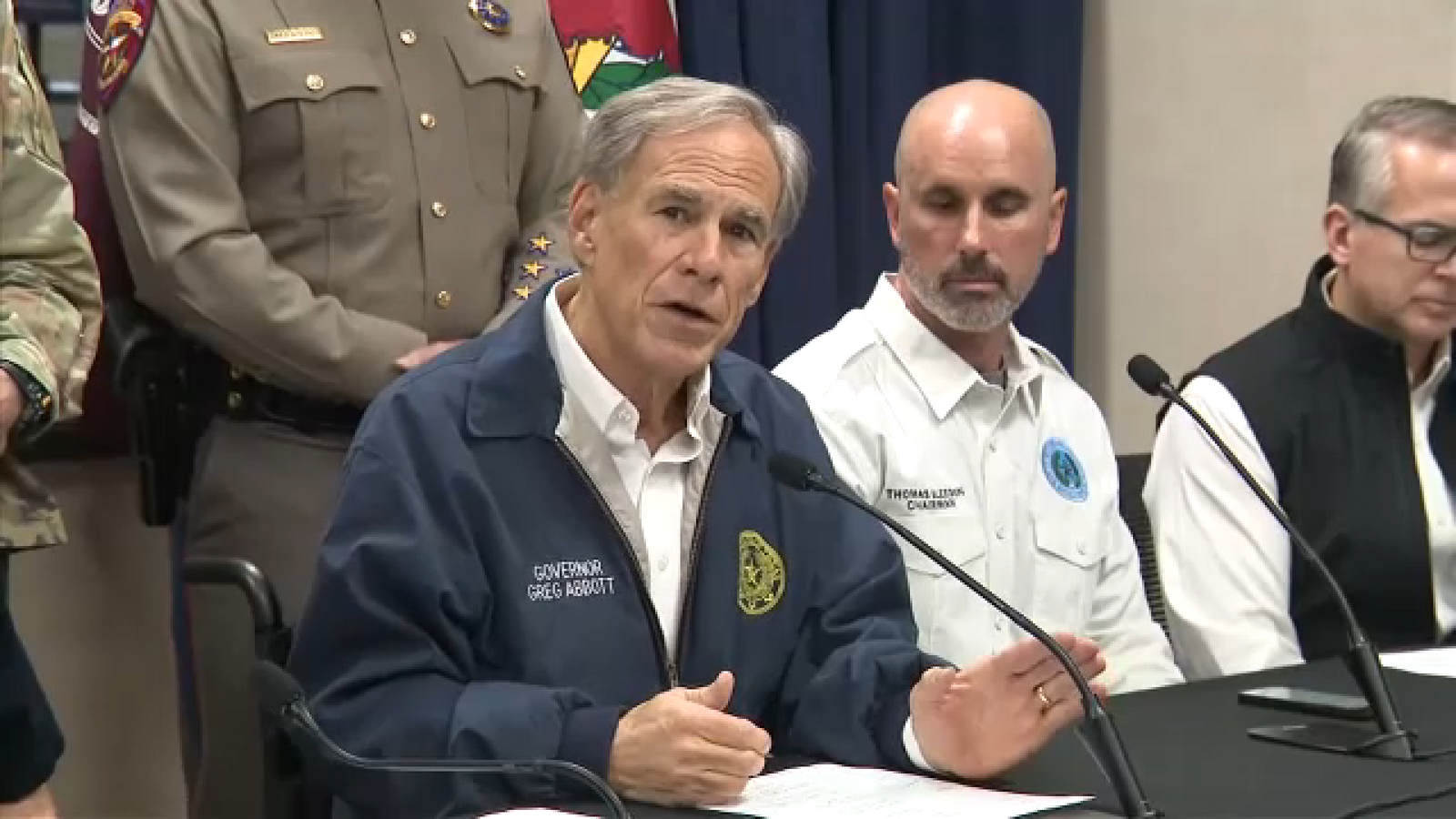
Texas officials declared a disaster for more than 130 counties as an arctic blast brings snow, sleet and freezing rain beginning Friday, but state and energy authorities say the grid is in better shape than during Winter Storm Uri. ERCOT does not anticipate statewide reliability issues, citing increased generation capacity—notably solar, wind and thousands of megawatts of battery storage—and strengthened natural-gas winterization measures enforced by post‑2021 regulation; the Railroad Commission inspected over 7,400 gas facilities last year. State agencies have mobilized TxDOT crews (5,000 personnel), the National Guard, and utility outage-response teams, while cities and utilities continue vegetation management and targeted undergrounding efforts (Austin’s full bury estimate: $50 billion). The situation presents localized outage risk from ice and falling trees but reduces the likelihood of a systemic grid failure, limiting broader market disruption.
Market Structure: Short-term winners are regulated distribution utilities and outage-restoration contractors; XEL (Xcel) and CNP (CenterPoint) gain because prior capex (pole replacement, vegetation management, generators) reduces outage duration and supports rate-base stability. Merchant gas generators and weather-exposed E&Ps face downside if freeze-related production outages recur; however, improved gas-hardening and batteries mute wholesale price spikes vs. 2021, compressing extreme peak power premiums compared with prior events.
Risk Assessment: Tail risk remains a severe-ice domino scenario that brings >500k customers offline for >72 hours, forcing emergency regulatory interventions and extraordinary capex (rate-base dilution or forced cost recovery) — a low-probability/high-impact outcome in the next 0-14 days. Hidden dependencies include local distribution topology (overhead vs buried) and municipal preparedness; second-order effects: increased muni bond issuance for resiliency and upward pressure on utility O&M in next 6-24 months.
Trade Implications: Near-term (days–weeks) favor modest long exposure to regulated utilities with demonstrated vegetation/pole investment (XEL, CNP) and short exposure to uncontracted merchant generators; use 1–3 month maturities for options to capture event-related volatility. Cross-asset: buy short-dated (0–30 day) call skew in ERCOT power futures only if NOAA upgrades severity; avoid long natural gas futures >90 days absent clear supply shock, given Governor’s “abundance” and recent inspection regimes.
Contrarian Angles: Consensus fear of grid collapse is likely overdone; markets under-appreciate earnings upside from accelerated grid-resilience capex that can be rate-recoverable — favors regulated utilities for 12–36 month CAGR in regulated ROE. Conversely, burying lines is politically and economically unlikely at scale, so utilities that signal pragmatic targeted hardening will outperform those promising full burial programs that would require massive bill increases and political pushback.
AI-powered research, real-time alerts, and portfolio analytics for institutional investors.
Request DemoOverall Sentiment
mildly positive
Sentiment Score
0.15
Ticker Sentiment
