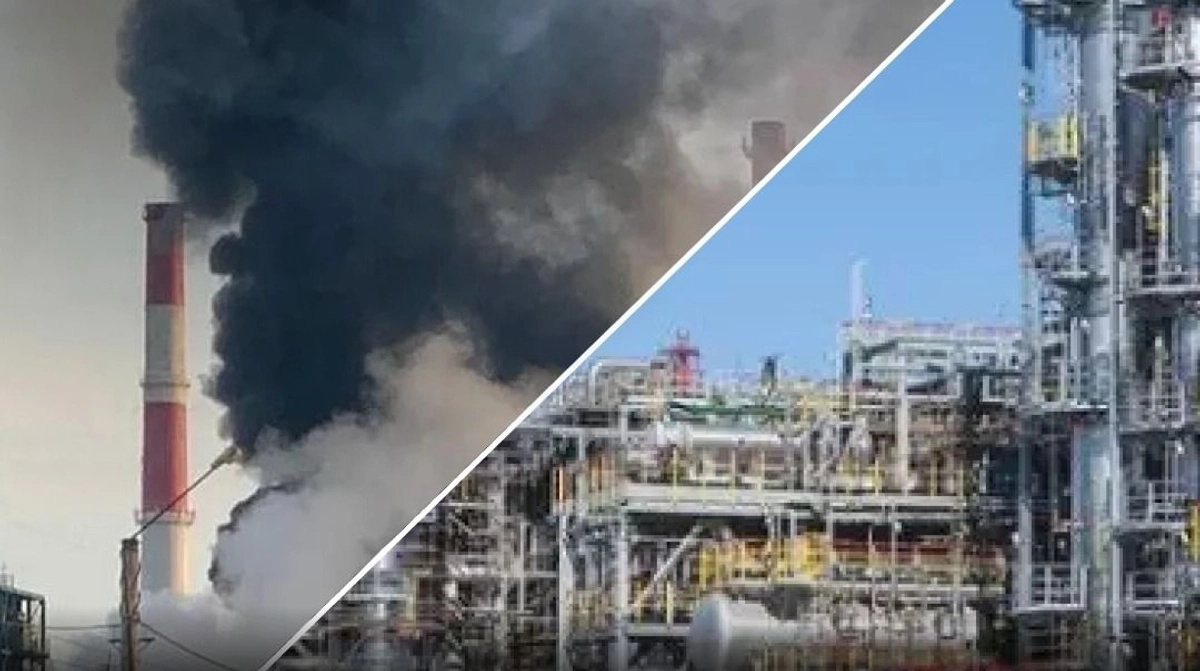
Ukraine's General Staff says its forces struck two Russian energy assets: the Kstovo oil refinery in Nizhny Novgorod Oblast on 18 May and the Yaroslavl-3 oil pumping station on 19 May. The Kstovo plant processes about 17 million tonnes of oil per year and supplies petrol, diesel and aviation fuel for Russian forces; a fire was reported and damage is still being assessed. The attacks add to operational risk for Russian refining and fuel logistics, with potential near-term implications for regional energy flows.
The immediate market read is not the headline loss of barrels, but the incremental rise in Russia’s domestic logistics risk premium. Strikes on refining and pumping infrastructure tighten the system at the margin by forcing rerouting, repair downtime, and higher insurance/security costs, which is more important than any single facility's output impact. That tends to show up first in regional product balances—diesel and jet fuel in particular—before it becomes visible in global crude benchmarks.
Second-order effects favor non-Russian refiners and product exporters more than upstream crude producers. If Russian secondary supply is intermittently disrupted, Europe and the Mediterranean can see tighter diesel spreads and stronger cracks even without a large Brent move, because refined products are less fungible than crude. This also raises the probability of state intervention from Moscow: export restrictions, inventory releases, or forced domestic allocation would cushion internal shortages but further distort product pricing.
The biggest tail risk is escalation against energy infrastructure becoming systematic rather than episodic. Over days, the market may dismiss this as nuisance risk; over months, repeated hits can impair maintenance cycles and reduce effective throughput, especially if operators defer capex or work with elevated safety constraints. The countervailing force is that Russia has a history of absorbing such shocks, so the trade is less about outright supply collapse and more about a persistent volatility bid in fuel spreads and regional logistics assets.
Consensus may be overestimating the crude-bullish read and underestimating the product-market implications. The cleaner expression is not long oil beta, but long diesel crack exposure and selective short positions in transport-intensive sectors if energy input costs bleed through. If damage proves superficial and repairs are quick, the trade unwinds fast; if outages recur, the upside is in prolonged spread widening rather than a sustained Brent spike.
AI-powered research, real-time alerts, and portfolio analytics for institutional investors.
Request DemoOverall Sentiment
moderately negative
Sentiment Score
-0.35
