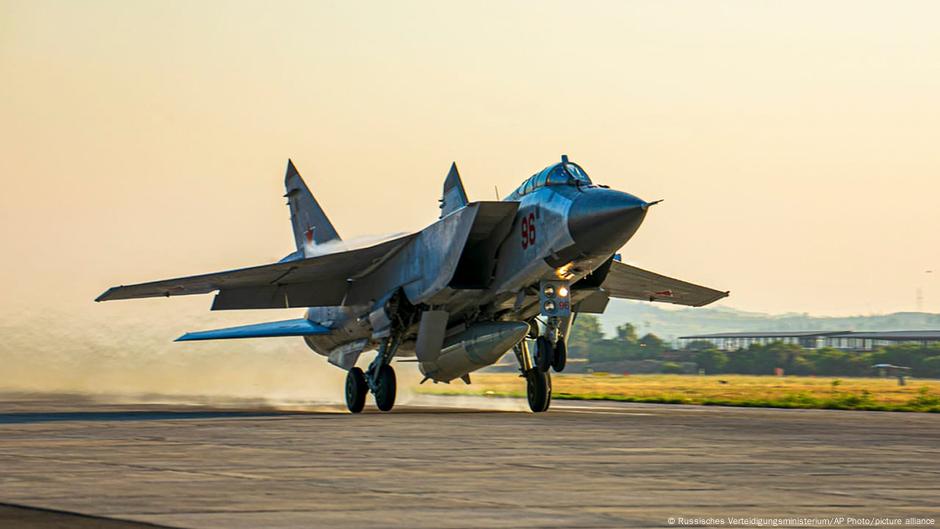
Russian fighter jets violated Estonian airspace, triggering NATO Article 4 consultations and condemnation from allies, highlighting escalating geopolitical tensions on NATO's eastern flank and prompting calls for stronger air defenses. Concurrently, the EU unveiled its 19th sanctions package, notably accelerating a ban on Russian LNG imports and targeting its shadow fleet to further degrade its war economy, while Ukraine announced plans to export domestically-produced weapons to fund its military efforts amidst intelligence assessments indicating no immediate prospect for peace negotiations.
A significant escalation in geopolitical tensions is underway on NATO's eastern flank, characterized by Russia's 'unprecedentedly brazen' 12-minute violation of Estonian airspace by three MiG-31 fighter jets. This event, which triggered an immediate NATO interception and a formal request by Tallinn for Article 4 consultations, is not an isolated incident but part of a pattern of provocations, including recent drone incursions over Poland and violations near a Polish drilling platform. The coordinated and severe condemnation from NATO, the EU, and member states signals a unified and hardening Western stance. Economically, the response is equally forceful, with the EU proposing its 19th sanctions package. This package notably accelerates a ban on Russian LNG imports to 2027, a structural move that will reshape European energy supply chains and curtail a key source of Russian revenue. Furthermore, the sanctions target Russia's 'shadow fleet' of oil tankers and associated reinsurance, directly aiming to disable its capacity to evade existing energy sanctions. Amid this, Ukraine is pivoting to a new phase of self-sufficiency by planning to export domestically produced weapons to finance its war effort, while high-level intelligence from the UK indicates no near-term prospect for a negotiated peace, solidifying expectations of a protracted conflict.
AI-powered research, real-time alerts, and portfolio analytics for institutional investors.
Request DemoOverall Sentiment
moderately negative
Sentiment Score
-0.50
