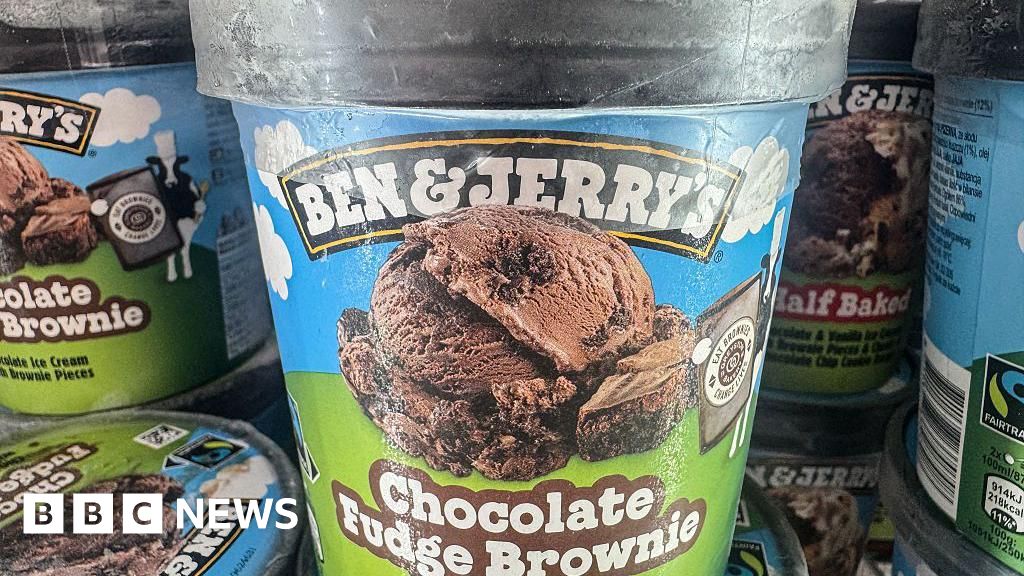
Ben & Jerry's has removed three members of its independent board after introducing new governance rules including a nine-year term limit; chair Anuradha Mittal will leave immediately while Daryn Dodson and Jennifer Henderson exit at year-end. Co-founder Ben Cohen condemned the change as a blatant power grab that strips the board of independence, a dispute that has escalated amid last week’s spinoff from Unilever to The Magnum Ice Cream Company and follows earlier clashes over the company’s social activism (notably the 2021 Israel-related decision) and the recent departure of co-founder Jerry Greenfield. The move deepens a governance and mission fight that creates near-term uncertainty over who will control Ben & Jerry’s political and social decisions and the future integrity of the brand’s activist positioning.
Ben & Jerry's has removed three members of its independent board after instituting new governance practices, notably a nine-year term limit; Chair Anuradha Mittal will leave immediately while Daryn Dodson and Jennifer Henderson will depart at year-end. Co-founder Ben Cohen characterized the change as a "blatant power grab" that strips the board of legal authority and independence, signaling a direct escalation in the long-running dispute over the brand's social activism and governance.
The governance change follows last week's spinoff from Unilever to The Magnum Ice Cream Company, which now owns the Vermont-based brand; Magnum says it intends to strengthen a "powerful, non-partisan values-based position." Historical context includes the 2000 sale terms that preserved an independent board, the 2021 refusal to sell in occupied areas of Israel and the sale of that operation, and co-founder Jerry Greenfield's departure in September, all of which have amplified tensions between mission preservation and parent-company control.
The immediate implications are heightened operational and reputational risk for the Ben & Jerry's brand and strategic uncertainty for Magnum as owner: governance centralization could lead to consumer or partner backlash, legal challenges over board authority, and near-term sentiment-driven volatility. Market impact is uncertain but sentiment is moderately negative, so investors should expect elevated headline risk and monitor concrete actions on governance, licensing, and consumer response as indicators of lasting brand and revenue effects.
AI-powered research, real-time alerts, and portfolio analytics for institutional investors.
Request DemoOverall Sentiment
moderately negative
Sentiment Score
-0.45
