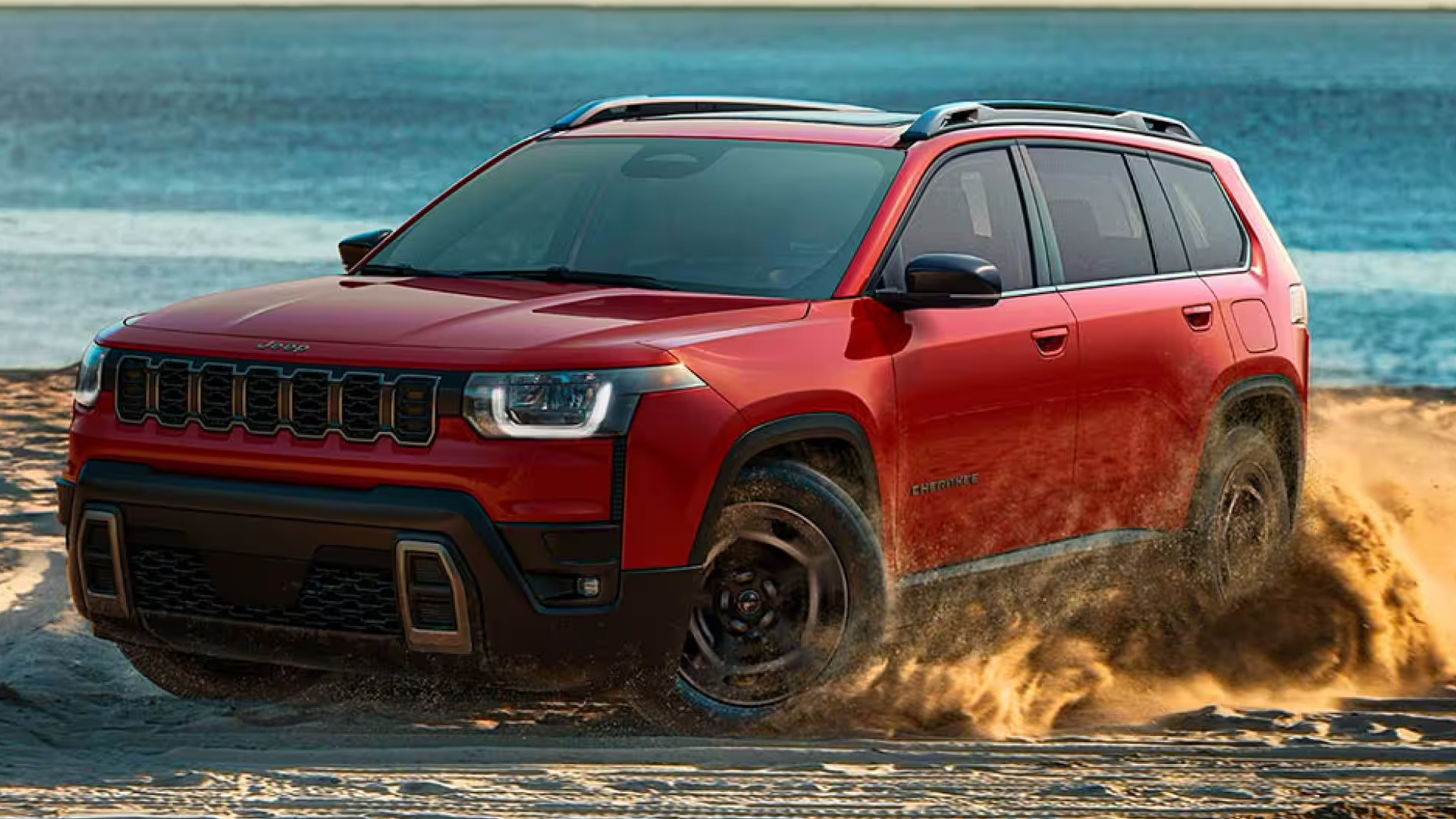
The Dodge Durango, unchanged since 2010, delivered its best U.S. sales in two decades last year, signaling resilient consumer demand for the aging SUV. The piece frames the model as a capable family hauler despite its lack of redesign, a modest positive for the brand and its fundamentals. Market impact is limited because this is a product/brand update rather than a material financial or guidance event.
The bigger signal here is not nostalgia; it is that in a high-rate, high-insurance-cost environment, buyers are opting for perceived durability and utility over novelty. That favors incumbent ICE platforms with depreciated tooling and loyal buyer cohorts, while pressuring OEMs that need constant redesign cycles to defend share with higher capex and incentive intensity. The second-order winner is the parts and service ecosystem: older platforms with stable architectures typically generate more aftermarket spend and longer revenue tails per unit sold.
For competitors, this is a warning that product freshness is not the only driver of demand in truck/SUV segments. If a stale nameplate can still inflect higher, then the market is signaling that affordability, transaction price discipline, and real-world capability matter more than headline design changes. That creates downside risk for OEMs leaning on EV halo products or frequent facelifts to sustain traffic, because the consumer may be telling them to optimize for utility and payment size, not tech content.
The main risk to this thesis is that the current mix is partly cyclical: as financing costs ease over the next 6-12 months, some demand could rotate back toward newer, more expensive models, compressing the relative advantage of older platforms. A second risk is regulatory and efficiency pressure over a multi-year horizon; legacy heavy vehicles become more exposed if fuel costs rise or emissions rules tighten. Near term, the catalyst window is a few quarters: if similarly aged nameplates keep outperforming, it validates a broader value/truck trade rather than a one-off product story.
Consensus is probably underestimating how much of this is a balance-sheet and pricing story masquerading as a product story. The market often treats aging platforms as a sign of weak innovation, but in this segment the lack of redesign can actually be a feature if it preserves margins and avoids costly launch risk. The move looks underappreciated for any supplier or retailer exposed to big, higher-margin ICE utility vehicles, while being a subtle negative for premium EV and crossover incumbents that rely on constant refresh to justify ASPs.
AI-powered research, real-time alerts, and portfolio analytics for institutional investors.
Request TrialOverall Sentiment
mildly positive
Sentiment Score
0.20
