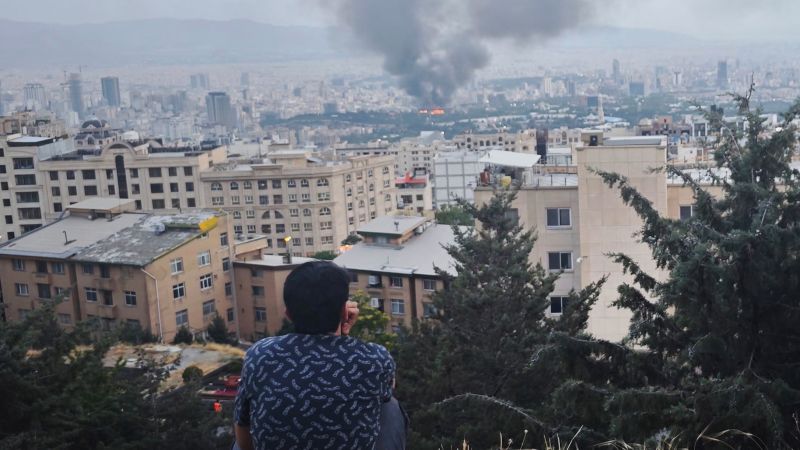
Gulf Arab states are actively engaging Washington and Tehran amid escalating regional conflict initiated by Israeli strikes on Iran and subsequent Iranian retaliation. Major energy exporters like the UAE, Saudi Arabia, and Qatar are pressing for de-escalation, driven by concerns over widespread instability, potential Iranian reprisal attacks on their territory, and the critical risk of a Strait of Hormuz closure, which could disrupt a third of global seaborne oil. This underscores significant geopolitical and energy market risks, with a recently announced two-week diplomatic window offering a temporary opportunity for de-escalation.
Heightened geopolitical risk in the Middle East presents a significant threat to global energy markets following an unprecedented Israeli strike on Iran's military and nuclear infrastructure, which provoked direct Iranian retaliation. Key US allies in the Gulf, including the UAE, Saudi Arabia, and Qatar, are now aggressively pursuing diplomatic de-escalation with both Washington and Tehran, fearing the repercussions of a wider conflict or a regime collapse in Iran. The primary economic concern is the potential closure of the Strait of Hormuz, a chokepoint for one-third of the world's seaborne oil, and the risk of retaliatory strikes on Gulf oil facilities. This situation, rated with a high market impact score of 0.85 and a strongly negative sentiment, is compounded by unpredictable US rhetoric, which has shifted from deal-making to threatening military action. A newly announced two-week diplomatic window offers a temporary opportunity to defuse tensions, but the underlying risk of a prolonged and destabilizing conflict remains exceptionally high, creating a precarious environment for regional assets and global energy supply chains.
AI-powered research, real-time alerts, and portfolio analytics for institutional investors.
Request DemoOverall Sentiment
strongly negative
Sentiment Score
-0.70
