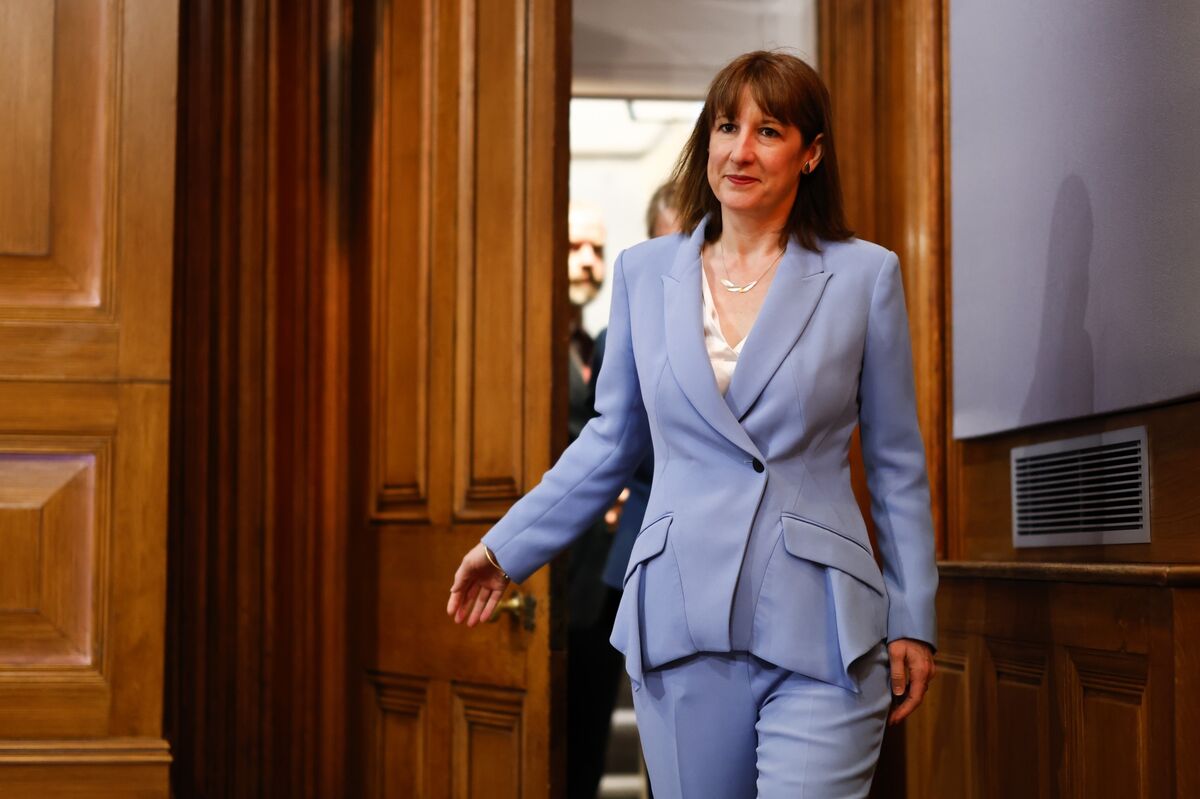
Rachel Reeves has reportedly informed the Labour shadow cabinet that implementing the next round of tax increases will be challenging, according to The Times. This insight suggests a difficult fiscal path ahead for a potential Labour government, highlighting the political and economic hurdles associated with further taxation.
A report from The Times indicates that UK Shadow Chancellor Rachel Reeves has privately briefed the Labour shadow cabinet on the significant challenges anticipated in implementing the next round of tax increases. This internal communication signals a pragmatic, if pessimistic, acknowledgment of the difficult fiscal and political environment a potential Labour government would inherit. The moderately negative sentiment score of -0.4 underscores the market's view that any path to fiscal consolidation through taxation will be arduous. While the low market impact score of 0.3 suggests this is not an immediate market-moving event, it serves as a key forward-looking indicator, placing UK fiscal policy, taxation, and domestic politics at the forefront of investor concerns. The statement implies that a future government may face constraints on its spending ambitions or be forced to pursue politically unpopular fiscal measures, creating uncertainty around the future trajectory of the UK economy.
AI-powered research, real-time alerts, and portfolio analytics for institutional investors.
Request DemoOverall Sentiment
moderately negative
Sentiment Score
-0.40
Ticker Sentiment
