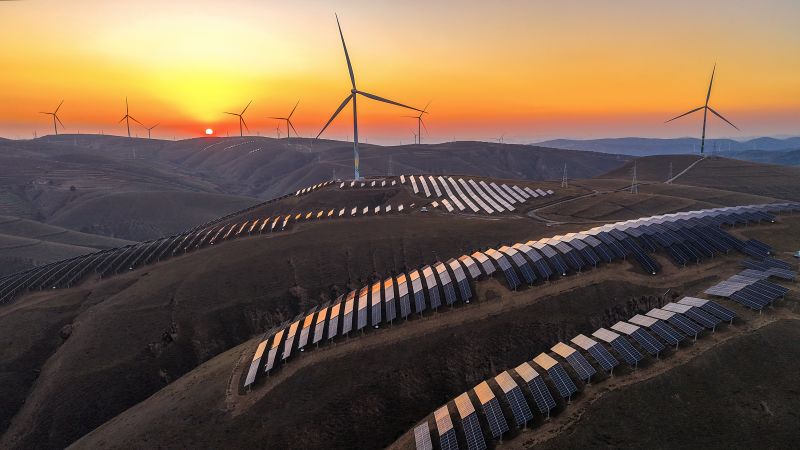
Despite the Paris Agreement's initial goals, fossil fuel emissions have continued to rise, pushing the 1.5-degree Celsius warming target out of reach. However, the energy landscape is rapidly shifting, with renewables surpassing coal as the world's top energy source in early 2025 and projected to meet 90% of new electricity demand this year, driven by solar installations growing 15 times faster than anticipated. This accelerating clean energy transition, coupled with increasing global public and legal pressure for stronger climate action and a potential Fossil Fuel Nonproliferation Treaty, underscores the growing economic inevitability of moving away from fossil fuels, presenting significant implications for energy sector investments.
The decade following the 2015 Paris Agreement has seen a significant divergence, with global fossil fuel emissions continuing to rise, pushing the 1.5-degree Celsius warming target "almost certainly out of reach." This persistent reliance on fossil fuels has coincided with intensifying climate disasters and continued approval of new fossil fuel projects.
However, a rapid acceleration in the clean energy transition presents a contrasting narrative. Renewables surpassed coal as the world's top energy source in the first half of 2025 and are projected to meet 90% of new electricity demand this year, with solar power installations growing 15 times faster than predicted in 2015. This shift underscores a growing economic inevitability towards clean energy.
Public sentiment strongly favors stronger climate action, with 89% of the global public and 79% of US registered voters supporting the Paris Agreement and carbon regulation. This pressure, coupled with legal precedents and discussions around a Fossil Fuel Nonproliferation Treaty, indicates increasing regulatory and societal impetus for decarbonization.
This creates a mixed but cautiously directional outlook for energy markets. While initial emissions reduction goals have largely been missed, the underlying market dynamics and policy drivers for a clean energy transition are accelerating, suggesting a fundamental shift in investment landscapes.
AI-powered research, real-time alerts, and portfolio analytics for institutional investors.
Request DemoOverall Sentiment
mixed
Sentiment Score
0.15
Ticker Sentiment
