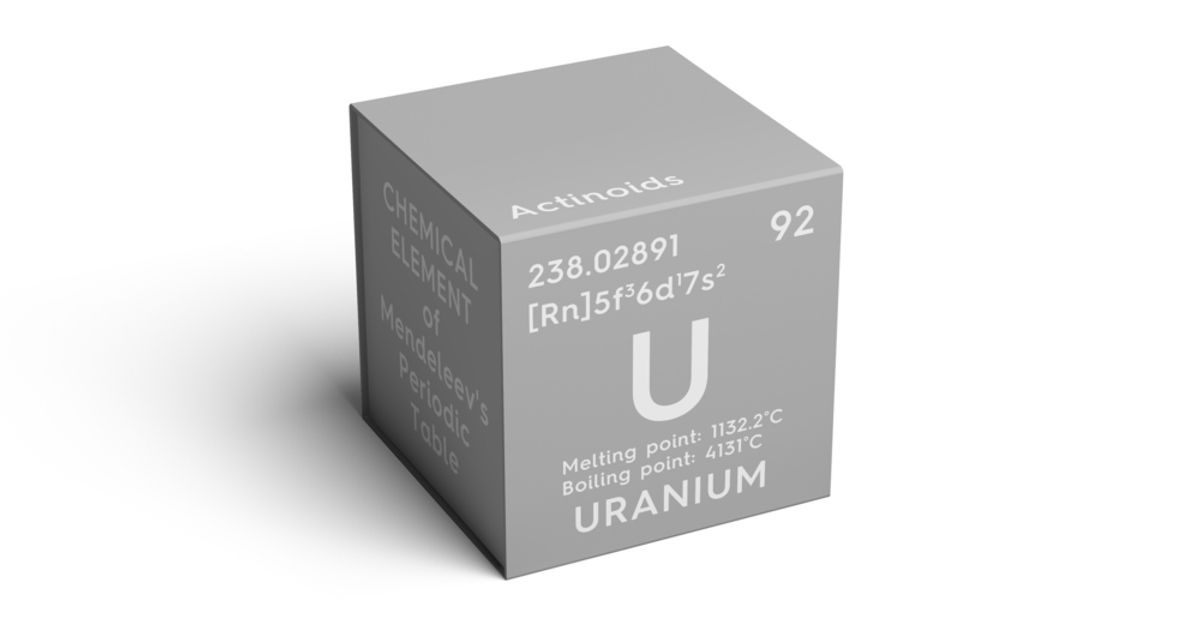
Standard Uranium Ltd (TSX-V:STND, OTCQB:STTDF, FRA:9SU0) is mobilizing a maiden drill program at its Corvo Project in Saskatchewan’s Eastern Athabasca Basin, targeting shallow, basement-hosted high-grade uranium with a 3,000-metre program of 8–10 holes. The company, partnered with Aventis Energy, recently completed a large ground gravity survey (over 5,000 stations across 29 km of conductor strike) to refine targets and plans to use a cost-efficient winter skid program budgeted at approximately $1.5 million; notable surface showings include an undrilled “Manhattan” outcrop with assays up to 8.1% U. While still early-stage exploration, modern geophysics and historical target follow-up could materially de-risk prospective targets and influence investor positioning in this junior uranium play.
Market structure: Standard Uranium (STND / OTC: STTDF) is the immediate asymmetric beneficiary — a successful shallow, high-grade intercept will likely re-rate the microcap explorer and lift other Athabasca juniors and uranium-focused ETFs (URA, URNM) for days–weeks. The program (8–10 holes, ~3,000 m, mobilizing end of month) is too small to move global uranium supply/pricing materially, but can concentrate speculative flows into small-cap equities and elevate volatility across miners and credit spreads for high-yield mining debt.
Risk assessment: Key tail risks are dilution (explorer equity financings >20% within 3–6 months if results disappoint), permitting/seasonal delays (access/permits adding 3–12 months), and operational setbacks (accidents or false positives that erase sentiment gains). Short-term (days–weeks) expect headline-driven moves around mobilization and early drilling updates; medium-term (1–3 months) assay releases will be decisive; long-term (12–36 months) depends on follow-up programs and resource definition.
Trade implications: Direct actionable is speculative long in STTDF/STND sized 2–3% of risk capital, staggered pre-mobilization and trimmed on assays; to isolate company risk, pair long STND vs short URA equal dollar to neutral sector beta. For sector exposure prefer defined-risk option structures (e.g., 3-month URA call spread 20–30% OTM sized 0.5–1% portfolio) rather than naked calls; set stop-loss 25–30% and take-profit on 2–3x move or on lab-confirmed assays >1% U3O8 over >=1 m.
Contrarian angles: Consensus underweights the value of high-grade surface showings (Manhattan 8.1% U at surface) because historical inactivity biases probability to zero — history (e.g., Fission/IsoEnergy early hits) shows outsized rerates from few holes. However, beware sampling bias: surface boulders/outcrop don’t guarantee subsurface continuity; market can overshoot on headline assays then reverse if follow-up fails, so keep position sizes small and time-limited (close within 1–3 months of assay outcomes).
AI-powered research, real-time alerts, and portfolio analytics for institutional investors.
Request DemoOverall Sentiment
moderately positive
Sentiment Score
0.35
Ticker Sentiment
