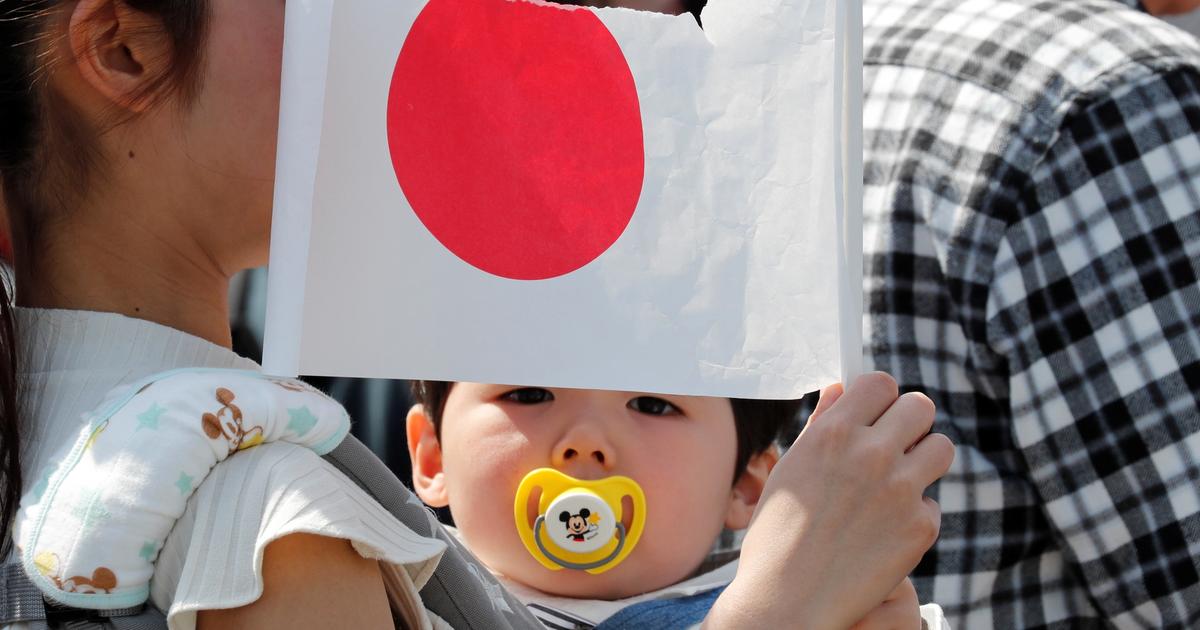
Preliminary data indicate Japan will record fewer than 670,000 births in 2025, the lowest annual total since records began in 1899 and well below demographers' recent projection of 749,000 (a decline they did not expect until 2041). Prime Minister Sanae Takaichi described the fertility collapse as Japan's “biggest problem,” highlighting political sensitivity amid strong domestic resistance to immigration; the item also situates Japan within a wider East Asian demographic slump, with forecasts that South Korea’s population could fall by two-thirds over the next century. The shockingly low birth figure raises long-term risks for fiscal sustainability, labor supply and domestic demand, with implications for pensions, public budgets and asset class allocations in Japan.
Market structure: a sub-670k birth year compresses long-run domestic demand for housing, childcare, baby consumables and regional services, while structurally boosting demand for automation, eldercare services, medical devices and longevity-linked financial products. Expect pricing power to shift from small-format retail, regional housing developers and local banks toward large-cap exporters and automation suppliers that substitute labor; 10-30% multi-year revenue reallocation by sector is plausible if current trends persist. Cross-asset: weaker growth + heavier fiscal pressure raises JGB supply and JGB yields (upside risk to 10y JGB), and downside pressure on JPY vs. USD; commodity shock is muted but inland real estate and J-REITs risk premium should widen.
Risk assessment: tail risks include a rapid policy U‑turn (mass migration liberalization) that reverses demographic impact within 2–5 years, or a fiscal/pension funding crisis that forces emergency taxation or JGB monetization. Immediate (days) impact is sentiment; short-term (weeks–months) is sectoral repricing; long-term (5–20 years) is structural GDP per capita and labor supply shifts. Hidden dependencies: corporate capex cycles, automation adoption lags, and household wealth drawdown patterns; catalysts to watch are election outcomes, PM Takaichi’s policy announcements, and monthly births/migration stats over the next 3–6 months.
Trade implications: implement long automation/robotics and longevity health tech vs short domestic housing/regionals and banking exposure. Tactical ideas: buy Fanuc (6954.T) and Keyence (6861.T) or BOTZ ETF as a 2–4% portfolio overweight over 3–24 months; short Sekisui House (1928.T) and regional banks MUFG (8306.T)/Mizuho (8411.T) as 1–3% shorts with 6–18 month horizon. Use options: buy 3–6 month USD/JPY call spread (strike triggers at 150) to express JPY depreciation; consider 12–36 month put spreads on EWJ (or J-REIT ETF) to hedge domestic downside.
Contrarian angles: consensus underestimates productivity offsets — firms may re-shore capex to Japan (benefiting heavy machinery exports), so domestic industrial exporters could outperform even as population declines. Reaction may be overdone in small domestic banks and J-REITs priced for terminal decline; look for mispricings where cashflow-backed eldercare REITs or high-quality exporters trade at <8x forward EBITDA. Monitor triggers: 10y JGB >1.0% (short JGBs), monthly births <670k confirmation (scale shorts on domestic cyclicals), and any migration policy shifts within 12 months (close shorts).
AI-powered research, real-time alerts, and portfolio analytics for institutional investors.
Request DemoOverall Sentiment
moderately negative
Sentiment Score
-0.60
