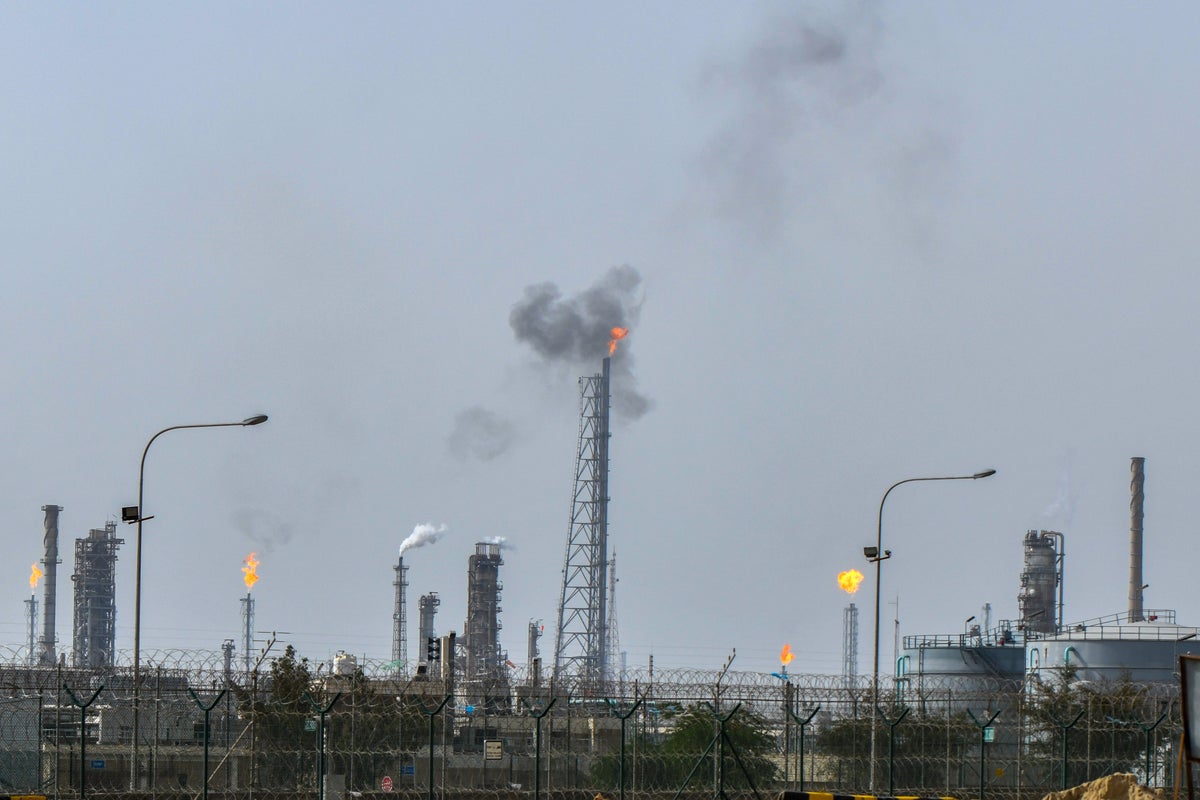
Key event: Iran claims it shot down a second US F-35 and Iranian drones struck a Kuwaiti oil refinery as Tehran continues missile/drone strikes and the US president threatened to bomb bridges and electric power plants. The conflict has killed at least 8 and injured about 95 in a bridge strike and is disrupting the Strait of Hormuz — historically ~20% of global oil and LNG flows — creating acute supply and risk-premium pressures. Shipping data shows a French-owned CMA CGM vessel transited the Strait (first since late February) and the UK is deploying air-defence assets to Kuwait, indicating heightened regional escalation and a likely sustained risk-off market response.
An acute regional escalation materially re-rates defense, logistics and energy risk premia even if kinetic exchanges remain geographically limited. Expect integrated air- and missile-defence primes to see 6–18 month order and margin visibility expand as governments accelerate procurement to plug perceived capability gaps; revenue recognition will lag awards by 6–24 months but cashflow and backlog revaluation can move equity multiples quickly. Maritime logistics and time-charter markets will reprice via longer voyage rotations and higher insurance/war-risk surcharges, producing outsized spot-rate volatility for the next 2–8 weeks and concentrated earnings upside for asset-light brokers and owners with flexible capacity. Energy spreads are likely to swing from mild contango into a risk-premium regime: a transient $5–$15/bbl implied shock would meaningfully lift integrated producer FCF but also accelerate demand-side mitigation (fuel switching, SPR releases) within 1–3 quarters.
Key tail risks and catalysts are asymmetric. Upside shock: a multi-day disruption to export corridors or insurance market paralysis could push tanker TC and crude spot spikes for 2–12 weeks and create a reflexive financial squeeze in energy and transportation credit lines. De‑escalation trigger: credible, semi-official backchannels or a concrete negotiated package could erase risk premia in 2–8 weeks — the market has shown it can reverse 60–80% of a headline premium once diplomatic signals firm. Watch satellite-confirmed asset damage, coalition air-defence deployments, and brokered negotiation signals as primary near-term catalysts.
Consensus is pricing persistent maximum uncertainty; that may be overstated. Iran’s economy and shipping participants have demonstrated hedging and route adaptations historically, and the existence of proximate diplomatic proposals increases the probability of a negotiated pause. Tactical opportunities exist to buy credit and equities exposed to defence and brokers on pullbacks while selling convexity in transportation names where short-dated premiums are priced rich relative to 3–6 month realised volatility.
AI-powered research, real-time alerts, and portfolio analytics for institutional investors.
Request DemoOverall Sentiment
strongly negative
Sentiment Score
-0.75
