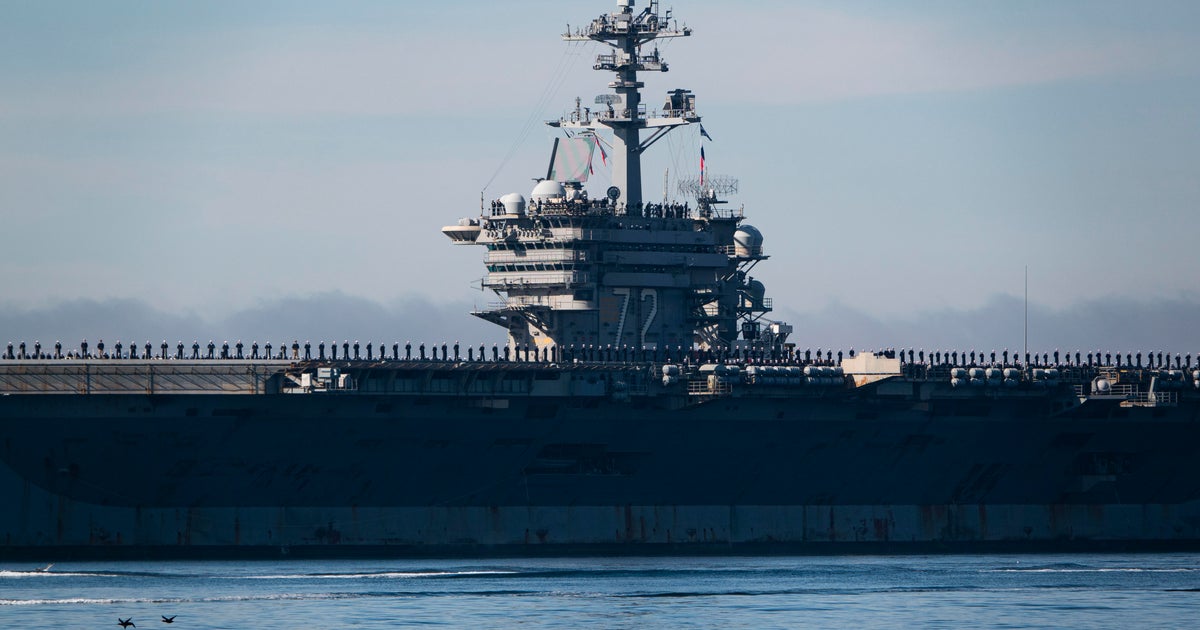
The U.S. and Iran are scheduled for direct talks in Oman on Friday after U.S. forces shot down an Iranian Shahed-139 drone that aggressively approached the USS Abraham Lincoln and Iranian vessels and a drone threatened to seize the U.S.-flagged tanker M/V Stena Imperative in the Strait of Hormuz; the tanker was escorted by the USS McCaul. The incidents coincide with a U.S. naval buildup (Abraham Lincoln carrier, multiple destroyers and littoral combat ships) and heighten the risk of shipping disruptions and energy-market volatility, increasing downside geopolitical risk for portfolios and potential upside pressure on oil and defense-related assets.
Market structure: Immediate winners are defense primes (LMT, NOC, RTX), upstream oil majors (XOM, CVX) and war-risk-sensitive shipping/tanker owners (e.g., FRO, EURN) because higher geopolitical premiums increase pricing power and spare‑capacity rents. Direct losers are airlines/airfreight (JETS, AAL), regional EM equities and trade‑exposed logistics where fuel and insurance cost pass‑through compresses margins; expect tanker/war‑risk insurance and freight rates to move +20–60% in extreme scenarios and refinery cracks to widen temporarily.
Risk assessment: Tail risk includes a direct strike or broader regional engagement that produces a ~+$20–$40/bbl shock to Brent (25–50%) within weeks; immediate (0–7 days) is volatility spikes in oil, gold, and FX, short‑term (1–3 months) is rerouting costs and elevated insurance, long‑term (6–24 months) is durable defense spending uplift. Hidden dependencies: Friday Oman talks, Israeli actions, and any tanker seizure are binary catalysts that can both de‑escalate or rapidly amplify market moves; monitor casualty reports and insurance premium notices.
Trade implications: Favor short‑dated volatility buys on oil and selective longs in defense/energy while hedging with gold and nominal Treasuries (TLT); use pair trades (long XOM, short JETS) to capture differential exposure to higher fuel/insurance costs. Options: buy 1–3 month call spreads on crude and defense names to limit premium outlay; reprice positions after the Oman talks (72 hours) or on any confirmed escalation.
Contrarian angles: Consensus may overprice perpetual risk — 2019 tanker incidents spiked oil briefly then reversed; if talks reduce kinetic risk within 7–14 days expect mean reversion of oil/gold and rapid unwind of war‑risk premia. Use options to avoid directional traps: implied vols likely overshoot real volatility if no casualties or quick diplomatic progress occurs, creating short‑volatility re‑entry points.
AI-powered research, real-time alerts, and portfolio analytics for institutional investors.
Request DemoOverall Sentiment
strongly negative
Sentiment Score
-0.60
