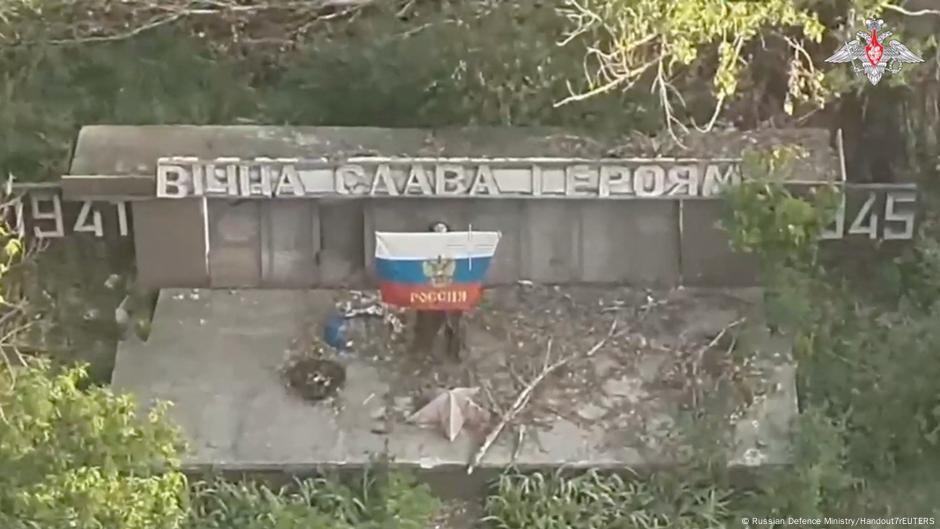
Russia has intensified its offensive in Ukraine, seizing another village in the Donetsk region, signaling continued military gains. Concurrently, Russian Foreign Minister Sergey Lavrov met with Chinese counterpart Wang Yi to discuss the conflict, reaffirming their 'no limits' strategic partnership, and secured 'unconditional support' from North Korean leader Kim Jong Un. These developments underscore Russia's strengthening geopolitical alliances and military momentum, suggesting a prolonged conflict and potential shifts in global power dynamics.
Russia is demonstrating tangible military momentum by capturing another village in Ukraine's Donetsk region, signaling an intensification of its offensive. This ground-level advance is strategically reinforced by high-level diplomatic engagements that strengthen its geopolitical positioning. The meeting between Russian Foreign Minister Sergey Lavrov and his Chinese counterpart, Wang Yi, reaffirmed their 'no limits' strategic partnership, indicating continued political and likely economic support from Beijing, which has not condemned the invasion. Simultaneously, North Korea has pledged 'unconditional support,' with analysts cited in the report suggesting this could escalate to include troop deployment. The combination of tactical military gains and solidified alliances with China and North Korea, juxtaposed with the failure of US-led peace negotiations to produce a ceasefire, points toward a protracted conflict with a more entrenched and supported Russian presence.
AI-powered research, real-time alerts, and portfolio analytics for institutional investors.
Request DemoOverall Sentiment
strongly negative
Sentiment Score
-0.60
