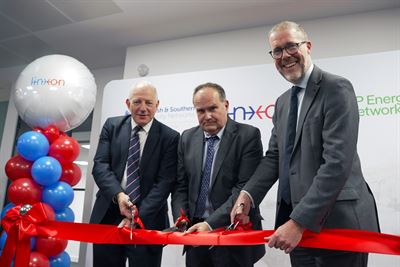
Linxon has opened its first Scottish office in Glasgow to support EPC delivery for SSEN Transmission and SP Energy Networks, initially creating 25 new locally‑prioritised roles and planning further recruitment as Scotland’s transmission build‑out accelerates. The move aligns with roughly £34bn of planned transmission investment in Scotland over the next five years (including ScottishPower’s £24bn 2024–28 programme) and sits alongside SP Energy Networks’ £5.4bn strategic agreement, underscoring increased spending to connect renewables, bolster energy security and expand the local supply chain.
Market structure: The £30–34bn five‑year Scottish transmission buildout materially tilts demand toward high‑voltage EPCs, transformer and cable manufacturers and regulated network owners (SSE, Iberdrola/ScottishPower). Expect pricing power for specialty suppliers (transformers, high‑voltage cables) to rise 5–15% in contract margins over 12–24 months due to lead‑time constraints and localized content requirements; generalist civil contractors likely see margin pressure. Cross‑asset: higher sustained metal demand (copper, aluminium) supports base‑metal prices and pressures near‑term inflation expectations, mildly bullish for industrial credit while offering yield support for long‑dated sterling sovereigns as infrastructure spending anchors issuance plans.
Risk assessment: Tail risks include permitting/regulatory delays, transformer supply shocks, or policy reversals that could push project schedules 12–36 months and create write‑downs for contractors; counterparty risk exists where guaranteed returns are regulatory‑set. Hidden dependency: local hiring preference may increase unit costs 10–20% vs global sourcing and delay milestones. Key catalysts: upcoming contract awards and OFGEM/regulatory guidance in next 3–9 months, and transformer/cable lead‑time reports from suppliers.
Trade implications: Favor electrical equipment manufacturers and regulated utilities with direct exposure: buy selective equipment makers and UK utilities, hedge with short exposure to non‑specialist construction names. Use calendar‑spread/LEAP option structures to play multi‑year implementation (12–36 months). Rotate portfolio overweight to Industrials (electrical) and Utilities, underweight broad construction in coming quarters as procurement executes.
Contrarian view: The market underestimates sustained pricing power of specialist suppliers—expect concentrated winners (ABB, Prysmian, Nexans) to capture outsized margins while many UK contractors struggle with skilled labor shortages. Conversely, local content rules could produce slower delivery and political scrutiny; if delays exceed 18 months, short opportunities emerge in over‑levered builders. Historical parallel: US grid modernisation produced multi‑year outperformance for transformer/cable makers followed by mean reversion once capacity scaled.
AI-powered research, real-time alerts, and portfolio analytics for institutional investors.
Request DemoOverall Sentiment
moderately positive
Sentiment Score
0.42
