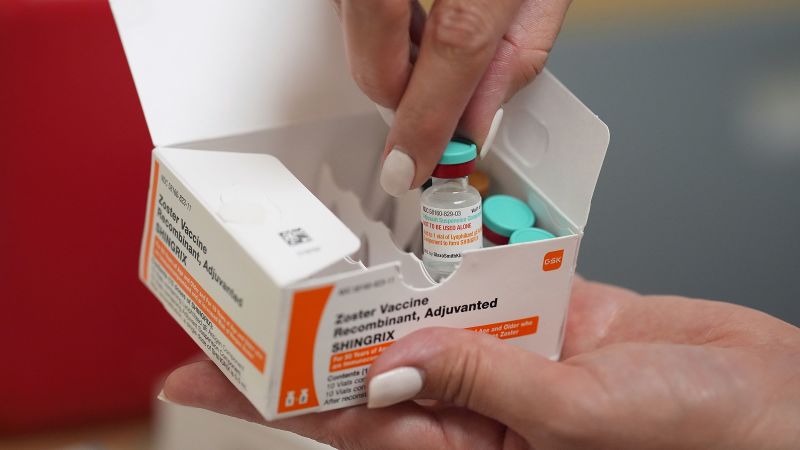
A natural-experiment study of health records from Wales (>282,500 adults) and corroborative Australian data finds shingles vaccination is associated with lower incidence and progression of cognitive decline: a prior Wales analysis showed a 3.5 percentage-point reduction in new dementia diagnoses over seven years for vaccinated 79‑year-olds versus unvaccinated 80‑year-olds; the follow-up found a 3.1 percentage-point reduction in new mild cognitive impairment over nine years and a 29.5 percentage-point reduction in dementia-related mortality over nine years among vaccinated dementia patients. Researchers leveraged age-based eligibility rules to strengthen causal inference, propose immune/inflammation mechanisms, note limits (mechanism unclear; possible non‑generalizability to newer vaccines), and plan randomized trials to confirm therapeutic effects.
Market structure: The report benefits vaccine manufacturers, adult-vaccine distributors, and payers that capture long‑term cost savings (pharma: GSK, MRK; insurers: UNH, HUM). If the effect generalizes to contemporary vaccines (Shingrix), it increases pricing power and steady annuity-like revenue for incumbents; upside to vaccine cold‑chain/logistics (TMO) is modest but persistent. Cross‑asset: equity upside in selected healthcare names; minimal near‑term sovereign/bond impact, but a multi‑year decline in dementia-care inflation would be modestly positive for long-duration sovereigns and healthcare REITs.
Risk assessment: Key tail risks include non‑replication, study reflecting older live vaccine (Zostavax) not Shingrix, or confounding despite quasi‑experimental design — any of which would reverse equity moves. Time horizons: immediate reaction = days (news flow), short = 3–12 months (replication/CDC/NICE guidance), long = 2–7 years (RCT results, material incidence change). Hidden dependencies: uptake driven by payer coverage, age cohorts, and manufacturer supply; adverse event headlines could quickly compress valuations. Catalysts: RCT funding announcements, public health guideline changes within 6–12 months, Medicare coverage shifts.
Trade implications: Favor high-conviction, size‑controlled exposure to GSK (Shingrix franchise) and to insurers (UNH) with 12–36 month horizons; consider modest long MRK exposure if pricing dislocation appears. Hedge downside to Alzheimer drug names (BIIB, LLY) via puts or shorts as a thematic pair trade over 2–5 years since reduced incidence/progression could curtail peak demand for expensive AD treatments. Options: use 12–24 month call LEAPS on GSK (buy 1–2% notional) financed by selling higher strike calls to limit capital.
AI-powered research, real-time alerts, and portfolio analytics for institutional investors.
Request DemoOverall Sentiment
mildly positive
Sentiment Score
0.28
Contrarian angles: Consensus may overestimate immediate commercial impact — one observational study rarely changes guidance; market may underprice the risk that benefits are limited to older live vaccines (favoring MRK historically) while Shingrix dynamics differ. Historical parallels: vaccine-linked non‑target benefits (e.g., flu reductions in CV events) took years to translate into material revenue shifts. Unintended consequence: stronger vaccine uptake could reduce late‑stage demand for high‑price dementia biologics, pressuring valuations and accelerating M&A or pricing competition in AD space.
