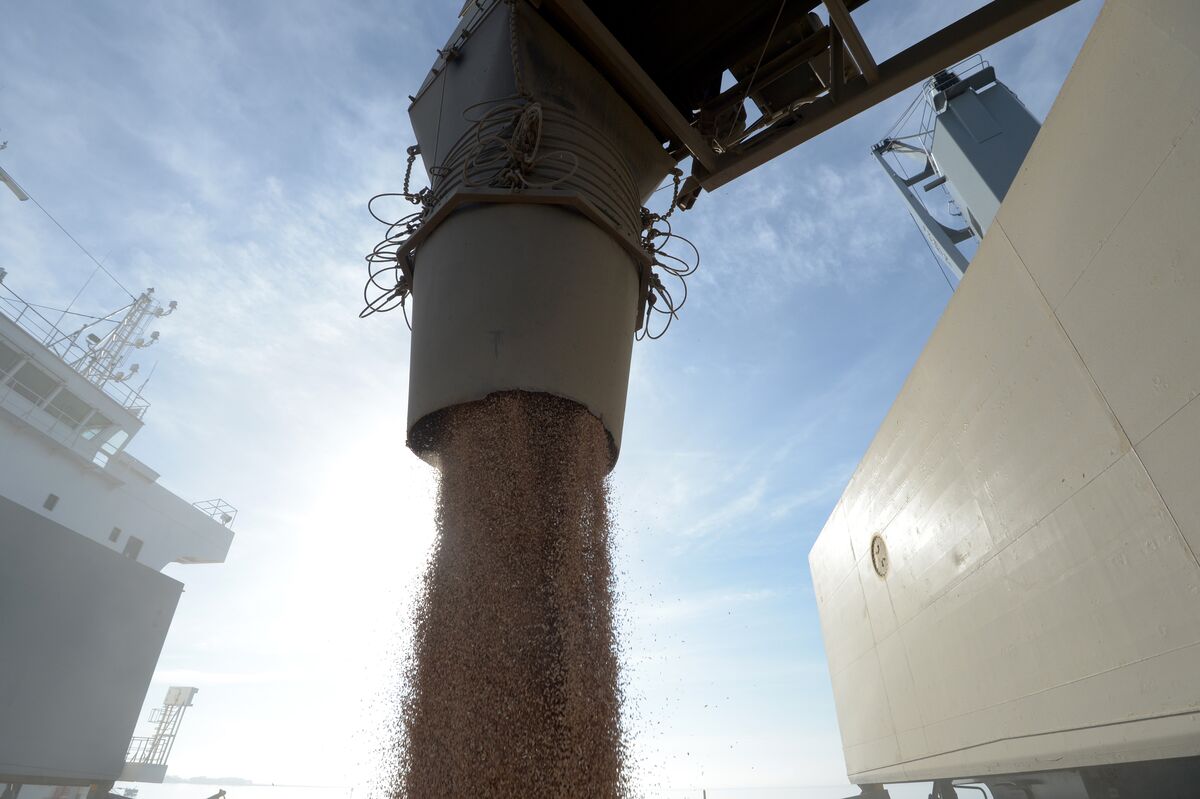
Australia is projected to yield a smaller wheat crop this season despite recent rainfall, primarily due to persistent insufficient soil moisture from prior drought conditions. This diminished outlook is a significant concern for major buyers, particularly China, which may face increased import needs following its own prolonged drought, potentially impacting global wheat markets.
Australia's wheat production outlook for the current season remains constrained, with a smaller crop anticipated despite recent beneficial rainfall in key growing areas like Western Australia. According to industry agronomist Michael Lamond, the precipitation has improved surface conditions, but a fundamental deficit in subsoil moisture from a prolonged drought persists, limiting the yield potential. This supply-side challenge is significant for the global market, particularly as it coincides with potential increased import demand from major buyers such as China, which is also contending with its own drought conditions. The combination of reduced output from a major global exporter and heightened demand from a top importer signals a potential tightening of global wheat supplies, supporting the moderately negative sentiment on crop volume and a pessimistic production tone.
AI-powered research, real-time alerts, and portfolio analytics for institutional investors.
Request DemoOverall Sentiment
moderately negative
Sentiment Score
-0.50
