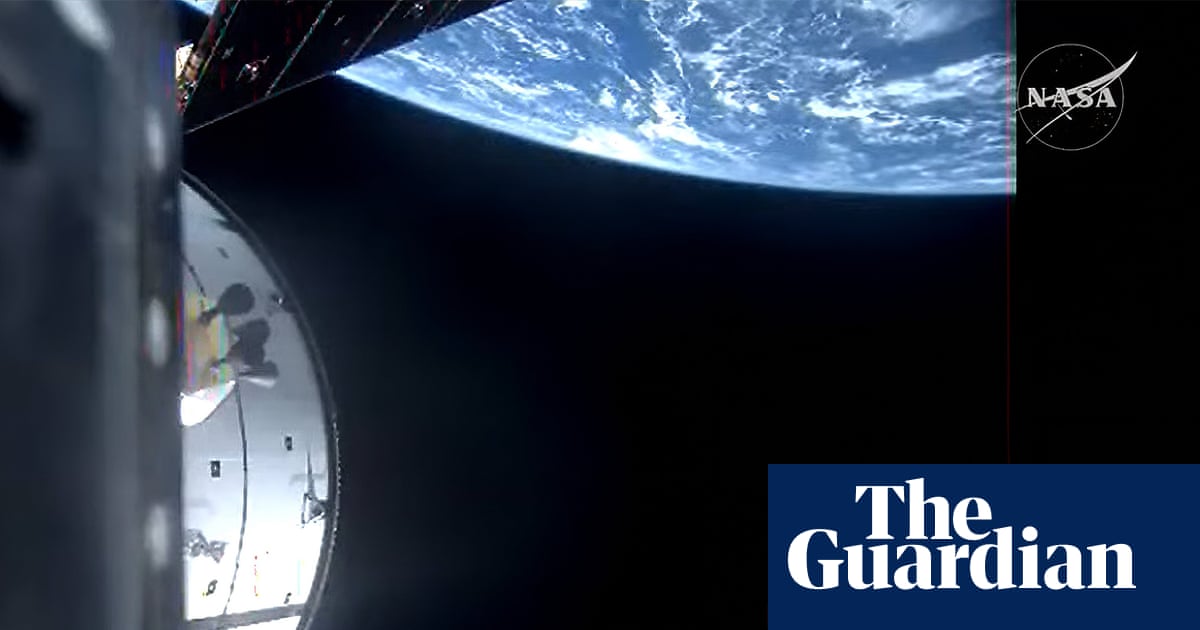
Artemis 2 astronauts fired the Orion capsule engine for a just-under-6-minute burn to depart Earth and begin a three-day transit on a 10-day free-return lunar flyby — the first crewed mission to the moon since 1972. The inaugural crewed SLS flight will carry four astronauts more than 250,000 miles (≈402,336 km) and aims to pave the way for a planned 2028 lunar landing; crew suits provide survival support for up to six days. The mission highlights US strategic competition with China and comes amid political pressure and prior SLS delays and cost overruns.
This mission crystallises a multi-year flow of programmatic spending rather than a one-off publicity event: sustained demand will accrue to propulsion and life‑support subsystem vendors, spacecraft avionics and space‑qualified materials suppliers with long lead times (months-to-years for validated flight hardware). Expect procurement cadence to shift from one large SLS build toward recurring contracts for in‑space logistics, radiation shielding, and cislunar navigation — beneficiaries compound when they own niche, flight‑proven IP that shortens test cycles by 6–18 months.
Key tail risks operate on distinct horizons. In the next 0–90 days, telemetry or mission anomalies can cause knee‑jerk equity moves and trigger congressional hearings; over 6–24 months, a high‑profile failure would materially raise the political cost of continued SLS funding and re‑allocate dollars to commercial providers. Conversely, a clean multi‑flight record over 12–36 months materially raises the probability (and pace) of new awards for sustainment and lunar infrastructure, creating multi‑year revenue visibility for select contractors.
Supply‑chain bottlenecks are the underappreciated limiter: specialized turbopump and avionics test slots are capacity constrained, implying that vendors with spare test capacity and qualified inventory can monetise at 10–30% premiums. That asymmetry favours smaller, focused suppliers over diversified primes for near‑term margin expansion, while primes win on guaranteed backlog and political insulation.
Contrarian lens: market headlines will spotlight the big rocket primes, but incremental commercial lunar services (landers, power systems, comms relays) are the higher growth, less politically exposed opportunity. If you must take concentrated risk, favour owners of flight‑proven subsystems and orbital servicing platforms over the single‑mothership manufacturing plays whose cadence is tied to political cycles.
AI-powered research, real-time alerts, and portfolio analytics for institutional investors.
Request DemoOverall Sentiment
mildly positive
Sentiment Score
0.25
