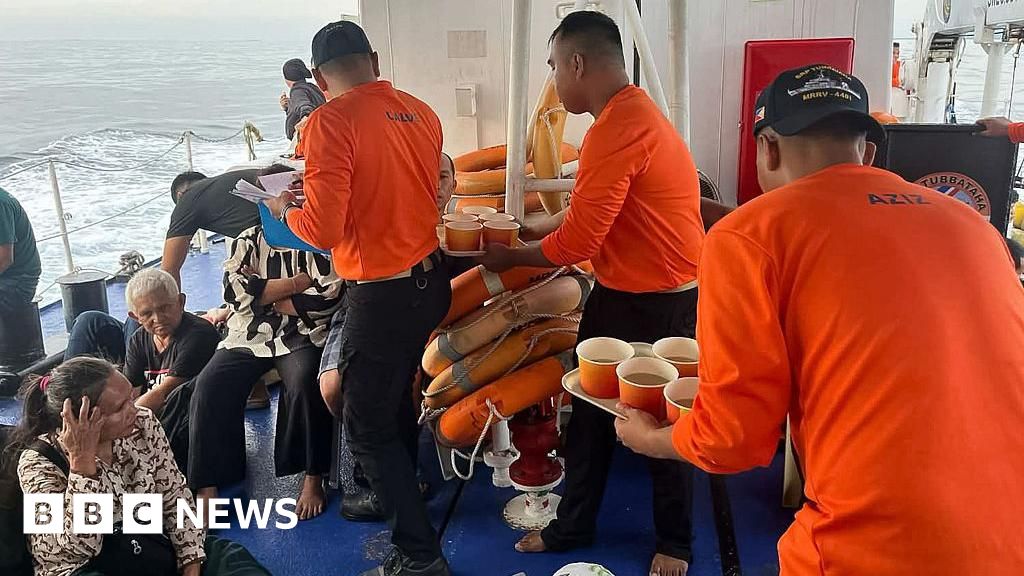
A Philippine roll-on/roll-off ferry, the MV Trisha Kerstin 3, sank en route from Mindanao to Jolo after issuing a distress call, leaving at least 18 dead, 317 rescued and roughly 24 still missing from an initial passenger/crew count put at more than 350. Authorities cited rough waters and launched an investigation amid longstanding concerns about maintenance and overloading on inter-island ferries in the archipelago; the incident is primarily a domestic safety and infrastructure risk with limited direct market implications.
Market structure: Immediate winners are marine-safety equipment manufacturers, port operators and maintenance/repair contractors who can capture accelerated retrofit and inspection work; losers are small domestic ferry operators, regional tourism operators servicing affected routes, and underinsured local governments. Expect localized pricing power for safety-capex providers for 3–12 months as urgent inspections and retrofits are front‑loaded; fare/passenger volumes could temporarily fall 10–25% on affected routes until regulatory sweeps complete.
Risk assessment: Tail risks include broad regulatory crackdowns (mandatory fleet retirements or bonding requirements) that could bankrupt marginal operators and trigger fiscal support demands from the Philippines—this could emerge within 30–180 days and strain local credit. Hidden dependencies: supply-chain constraints for steel, marine electronics and qualified surveyors could push unit costs +5–15% and extend timelines; catalysts include official investigation findings and any high-profile media disclosure within 2–6 weeks.
Trade implications: Near-term defensive hedges on regional small-cap tourism/transport and selective longs in marine safety/engineering are warranted; volatility in Philippine equities and FX (PHP) should rise in the 1–4 week window. Use options to cap cost of hedges and express asymmetric upside in safety-equipment names if regulation forces capex over the next 3–12 months.
Contrarian angle: The market will over-penalize broad Philippine exposure for a localized structural safety shock; high-quality infrastructure and port operators with balance-sheet access to deploy capex will likely see 10–20% re-rating over 6–12 months as they pick up work and consolidate routes. Short-term headlines create buying windows for selective, cash-flowing operators if regulatory changes are phased in rather than immediate fleet-wide bans.
AI-powered research, real-time alerts, and portfolio analytics for institutional investors.
Request DemoOverall Sentiment
strongly negative
Sentiment Score
-0.80
