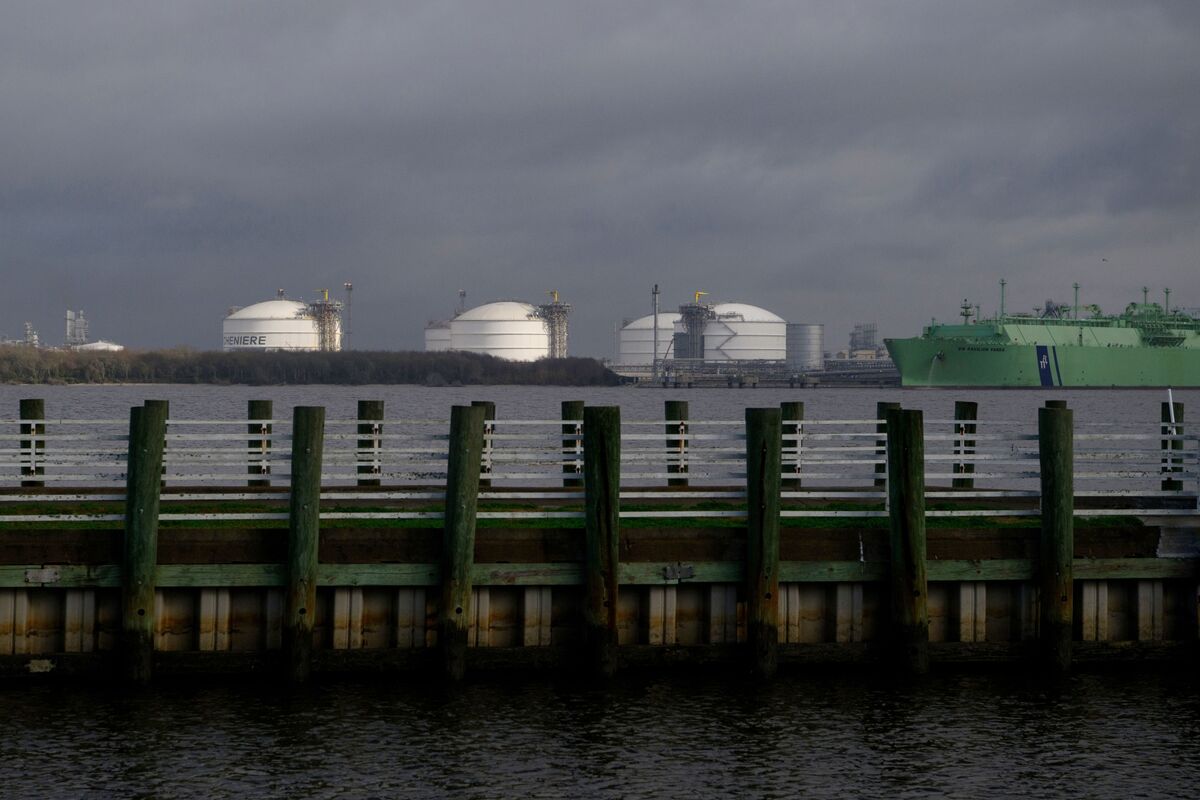
US liquefied natural gas exports are set to reach a record high in November at an estimated 10.7 million tonnes, according to Kpler ship-tracking forecasts, roughly 40% higher than the same month a year ago. The surge in shipments is easing price pressure in Asia and Europe ahead of winter heating demand, a development that could weigh on regional gas prices and affect LNG producers, shipping flows and related energy market positions.
Market structure: US exports rising to ~10.7 mt in Nov (+40% y/y) transfers pricing power to US suppliers and shipping. Winners are US liquefaction owners and LNG shipowners (higher utilization, freight); losers are marginal higher‑cost global suppliers and European/Asian spot sellers whose arbitrage shrinks. Cross‑asset: meaningfully lower JKM/TTF vs Henry Hub reduces European headline inflation risk (downward pressure on EUR gov’t yields) and narrows gas‑linked revenues for utilities, while US gas differentials and midstream cashflows strengthen credit profiles.
Risk assessment: Tail risks include a severe cold snap in Europe/Asia (driving demand >20% above seasonal), operational outages at US trains, or abrupt regulatory curbs on US exports — any could flip the market in weeks. Immediate (days): shipping congestion and weather; short (weeks/months): winter demand and storage draws; long (quarters/years): new capacity additions and contracting cycles. Hidden dependencies include regas capacity constraints in Europe and the oil‑indexation share of Asian contracts; catalysts are maintenance schedules, TTF/JKM price moves, and Kpler shipment surprises.
Trade implications: Favor producers/shippers and underweight European gas‑exposed utilities and traders. Use directional equity exposure to capture margin expansion and volatility trades around winter peaks; hedge with TTF/JKM option positions. Enter now into staged positions through mid‑December ahead of peak seasonal demand and trim if monthly US exports fall <9 mt or if JKM/TTF tightens >30%.
Contrarian angles: Markets underprice the macro benefit of sustained US flows — lower gas can ease ECB policy pressure and tighten real yields in Europe, which could re‑rate cyclicals. Overdone risk: if Europe’s regas constraints persist, local prices can spike despite global oversupply. Historical parallel: 2019–20 saw export growth fail to offset shocks; here geopolitical tail risk remains asymmetric.
AI-powered research, real-time alerts, and portfolio analytics for institutional investors.
Request DemoOverall Sentiment
mildly positive
Sentiment Score
0.35
