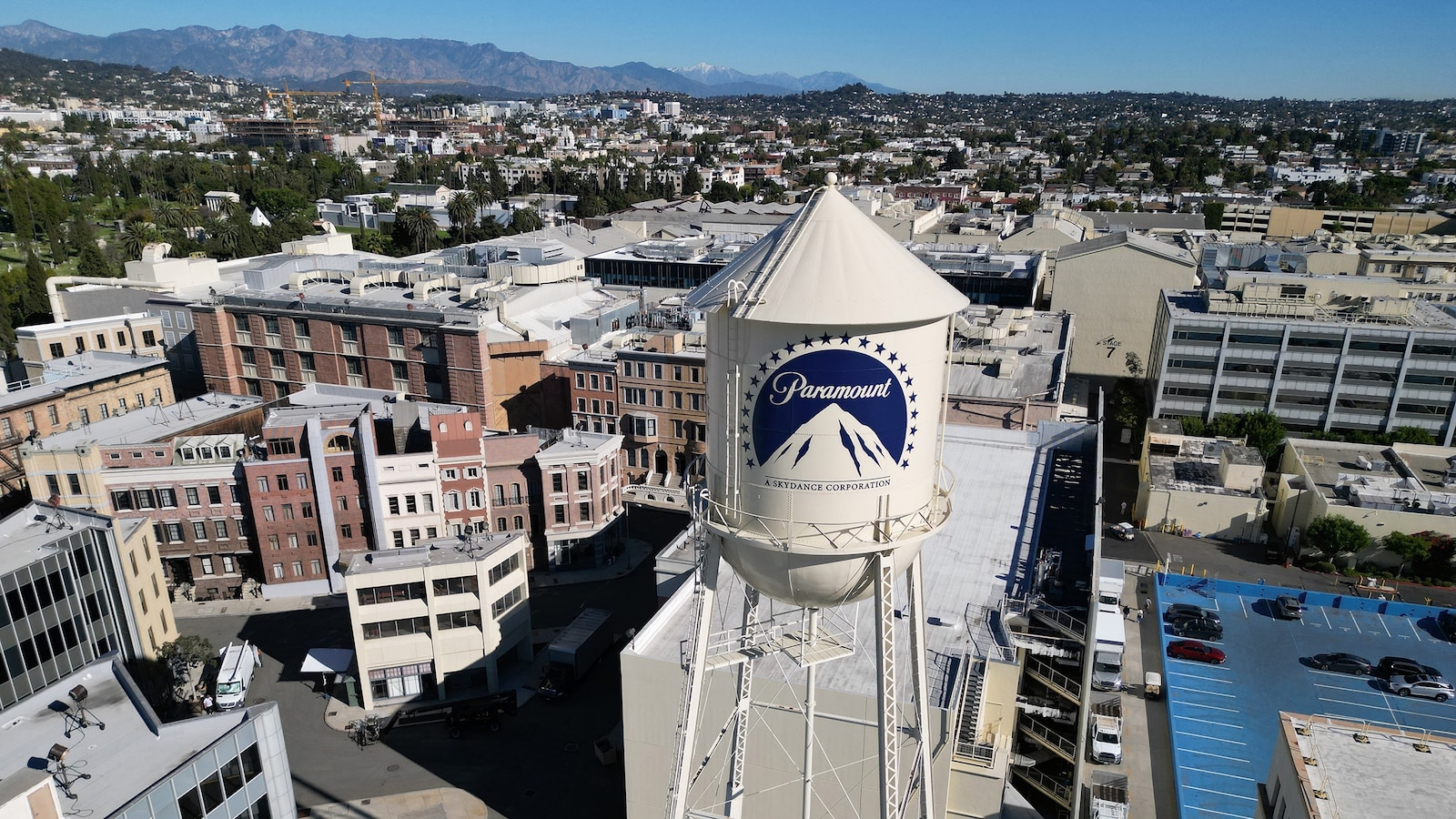
Paramount launched a hostile $108 billion tender offer to acquire Warner Bros. Discovery, offering $30 per share (a 139% premium to the Sept. 10, 2025 price) just days after Warner Bros. Discovery announced a merger with Netflix under which Netflix would pay $27.75 per share for most assets (excluding cable channels); Paramount appears to be pursuing a tender offer that bypasses management and appeals directly to shareholders. The outcome is uncertain—hostile bids have a mixed record and targets can deploy defenses such as poison pills—but a successful challenge would materially reshape the media landscape and control of streaming content watched by hundreds of millions of subscribers, with significant strategic and governance implications for investors.
Paramount launched a hostile $108 billion tender offer to acquire Warner Bros. Discovery, proposing $30 per share — a 139% premium to WBD’s Sept. 10, 2025 price — days after Warner Bros. Discovery announced a deal with Netflix at $27.75 per share that excluded cable channels. The timing creates a direct bidding contest between Paramount’s all-assets-seeking $30 offer and Netflix’s lower-price, partial-asset agreement, while Netflix’s scale (301 million global subscribers as of late 2024) underscores strategic motivations to control HBO Max and studio content.
Paramount appears to be pursuing a tender offer that appeals directly to shareholders rather than management, a route that historically produces mixed outcomes and often invites defensive tactics; the article highlights poison pills and the Musk–Twitter precedent as examples of legal delays and governance battles. Details of Paramount’s tender mechanics remain unclear, so dilution, proxy contests, regulatory review and protracted litigation are credible near-term risks that could alter deal economics.
A successful change of control would materially reshape media distribution and content ownership and is likely to drive elevated volatility in WBD and related media names; the supplied signals show neutral-to-positive sentiment for WBD (0.5) and negative pressure on Netflix (−0.3) reflecting investor uncertainty. Investors should expect a multi-week to multi-month governance contest with event-driven price action tied to shareholder responses, defense filings and potential competing bid adjustments.
AI-powered research, real-time alerts, and portfolio analytics for institutional investors.
Request DemoOverall Sentiment
mixed
Sentiment Score
0.05
Ticker Sentiment
