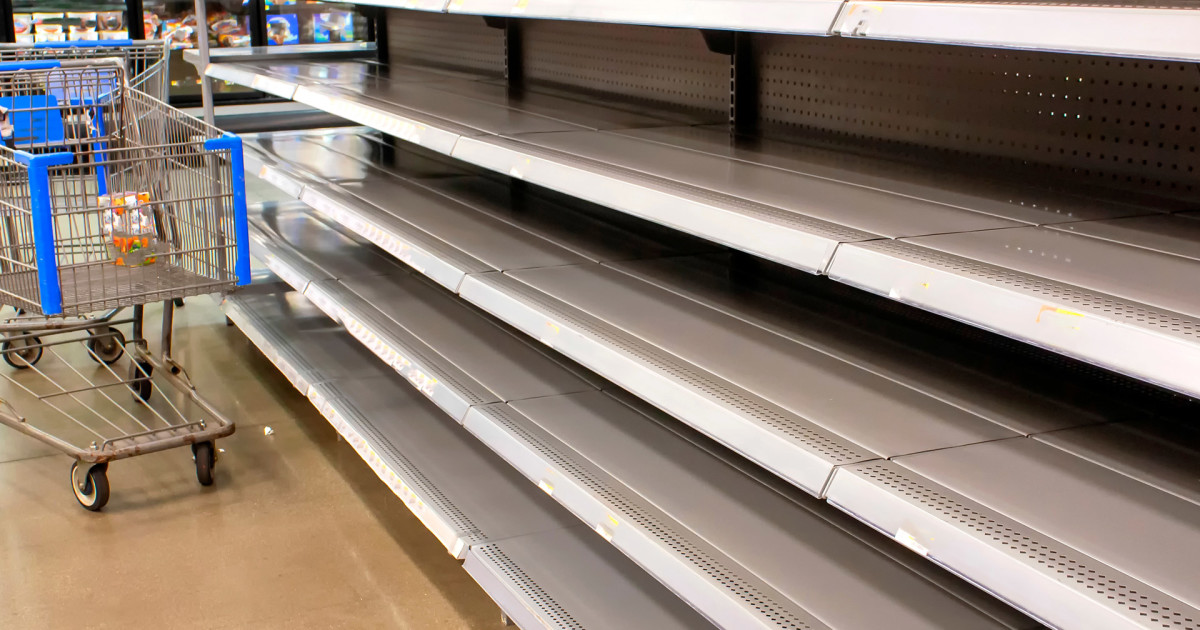
17 Homeland locations are affected (4 permanent closures: 3 Homeland + 1 CashSaver within 45 days; 3 United Supermarket locations to be consolidated and converted with a planned July 1, 2026 reopening; 10 stores being marketed for sale) — about 48.6% of Homeland’s 35-store footprint. The restructuring reflects financial strain from inflation, e-commerce growth, and competition from national discount chains, and will reduce in-person grocery access in several Oklahoma communities while signaling broader sectoral retrenchment.
This restructuring should be read less as an isolated regional failure and more as an acceleration of structural concentration in grocery: scale operators with national supply networks and diversified earnings (membership, advertising, non-food) will capture share while regional operators are forced into asset sales, CRE rationalization, or carve-ups. Expect measurable margin dispersion—large-format discounters and membership models can sustain gross margin compression through supplier rebates and purchasing scale, while small chains will see SG&A per-store rise as density falls, pressuring EBITDA by mid-to-high single digits over 12–24 months.
There are second-order supply-chain effects that are underappreciated. Fewer small stores reduces pallet volumes into regional DCs, increasing per-unit last-mile costs for perishable suppliers by an estimated 10–15% where density drops, which will accelerate supplier consolidation and favor large CPGs that can reallocate freight to national chains. Simultaneously, “food desert” economics open durable upside for dollar stores and discounters to expand fresh and private-label SKUs, raising their basket depth and stickiness by ~5–10% in affected micro-markets over 1–2 years.
Time-skews and catalysts matter: near term (days–weeks) monitor comp prints and wholesale order cadence; medium term (3–12 months) watch asset sale outcomes and local market share shifts; long term (2–5 years) this is a secular rebalancing toward fewer physical nodes used as omni-channel fulfillment hubs. Tail risks that would reverse the trend include rapid deflation in food prices, a regulatory push against dominant discounters, or an unexpected capital infusion/roll-up of regional players that restores density and lowers per-store SG&A.
For equities, favor capital-strong, membership/scale models and dollar-store operators that can monetize reduced competition and fill gaps in underserved markets. Key monitoring reads: retailer same-store-sales, e‑commerce penetration, supplier shipment density into DCs, membership adds (where applicable), and local rent/real-estate disposal announcements—these will be the earliest, actionable signals of share transfer.
AI-powered research, real-time alerts, and portfolio analytics for institutional investors.
Request DemoOverall Sentiment
strongly negative
Sentiment Score
-0.60
Ticker Sentiment
