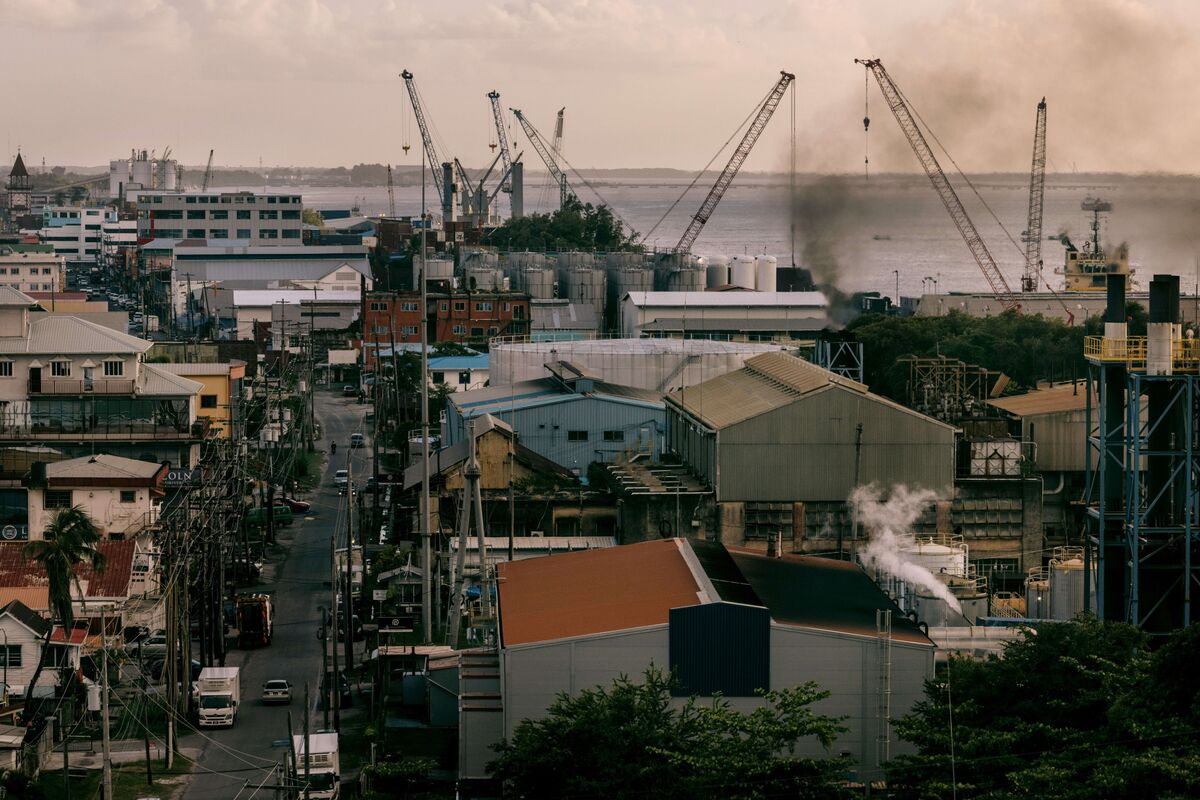
Guyana's upcoming Monday election presents a key political risk for ExxonMobil, as opposition candidates are campaigning on a pledge to renegotiate the 2016 production-sharing contract to secure a larger state share of oil revenue. This proposed renegotiation, aimed at combating rising inflation and funding social programs in the world's fastest-growing economy, directly contrasts with incumbent President Irfaan Ali's steadfast refusal to reopen talks, creating significant uncertainty for major oil investments in the nation.
The upcoming presidential election in Guyana on Monday introduces a material political risk for Exxon Mobil Corp. (XOM), centered on the potential renegotiation of its 2016 production-sharing contract. Opposition candidates are explicitly campaigning on a platform to revise the agreement to secure a larger portion of oil revenues for the state, aiming to use these funds to combat rising domestic inflation and finance wage increases and social programs. This stance directly opposes that of incumbent President Irfaan Ali, who has consistently refused to reopen discussions. The election's outcome therefore presents a binary risk for Exxon's operations in what is currently the world's fastest-growing economy; a change in government could fundamentally alter the financial terms of one of its most significant global projects, justifying the moderately negative sentiment (-0.5) and high market impact score (0.6) associated with this event.
AI-powered research, real-time alerts, and portfolio analytics for institutional investors.
Request DemoOverall Sentiment
moderately negative
Sentiment Score
-0.50
Ticker Sentiment
