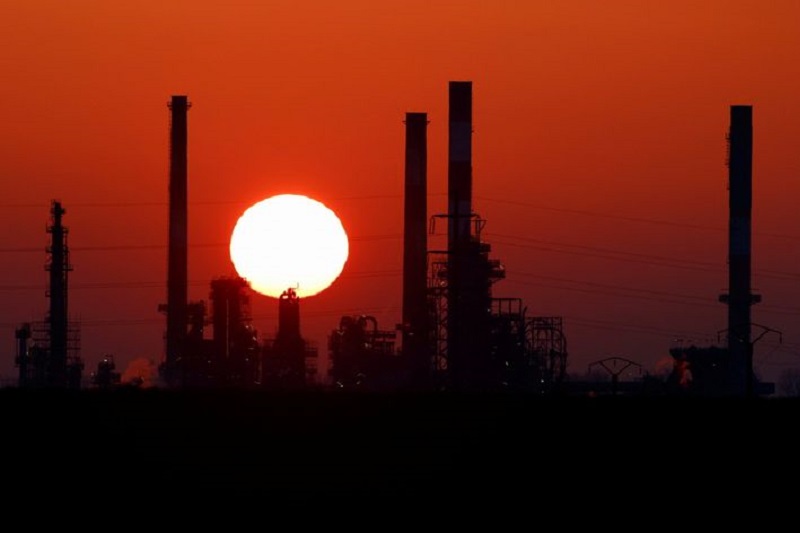
Brent crude rose 1.1% to $106.27 a barrel and WTI gained 1.0% to $96.83 as fears intensified over a prolonged U.S.-Iran conflict and disruptions in the Strait of Hormuz. Both benchmarks were up 15% to 18% this week, reflecting heightened geopolitical risk and potential supply constraints in a waterway that previously handled roughly 20% of global oil flows. Trump said he was in no rush for an Iran deal and extended the Israel-Lebanon ceasefire by three weeks, but market relief was limited.
The market is moving from a one-off geopolitical spike into a term-structure story: the longer this uncertainty persists, the more the prompt barrel gets bid relative to deferred supply. That matters because an extended disruption in a chokepoint does not just raise headline crude; it steepens freight, insurance, and inventories, creating a broader inflation impulse that hits importers, airlines, and chemical margins before it fully reaches end consumers. In that setup, the first winners are not just upstream producers, but also midstream logistics, tanker exposure, and anyone with stored inventory bought before the move.
The second-order risk is that the market may be underpricing policy feedback. A prolonged supply shock raises the probability of coordinated release responses, strategic diplomacy, and forceful trade/routing interventions within days to weeks, but those actions typically lag the initial rally and can trigger a violent reversal once they become credible. In other words, the asymmetry is poor for chasing spot crude here: upside from escalation is real, but downside from a sudden corridor reopening or ceasefire framework is sharper because positioning likely becomes crowded after a multi-day spike.
On equities, the immediate pain is in transportation, refiners with poor crack exposure to feedstock cost inflation, and industrials with high diesel sensitivity; the less obvious beneficiary is defense-adjacent logistics and marine security names, which can outperform on persistent rerouting and convoy costs even if crude retraces. The macro channel also leans bearish for high-duration growth and consumer discretionary if energy sticks above current levels for several weeks, because margin compression and inflation expectations tend to tighten financial conditions before earnings revisions catch up. This is a tactical event trade, not yet a secular repricing unless the blockade/disruption persists into the next quarter.
The contrarian view is that the current move may already reflect the worst case in the near term, while the actual ability to sustain a chokepoint closure is harder than headlines imply. If the market is pricing a durable 20% supply loss, but physical flows normalize even partially, crude could give back a large chunk quickly. The higher-conviction edge is therefore in relative trades and optionality rather than outright directional longs.
AI-powered research, real-time alerts, and portfolio analytics for institutional investors.
Request TrialOverall Sentiment
strongly negative
Sentiment Score
-0.60
Ticker Sentiment
