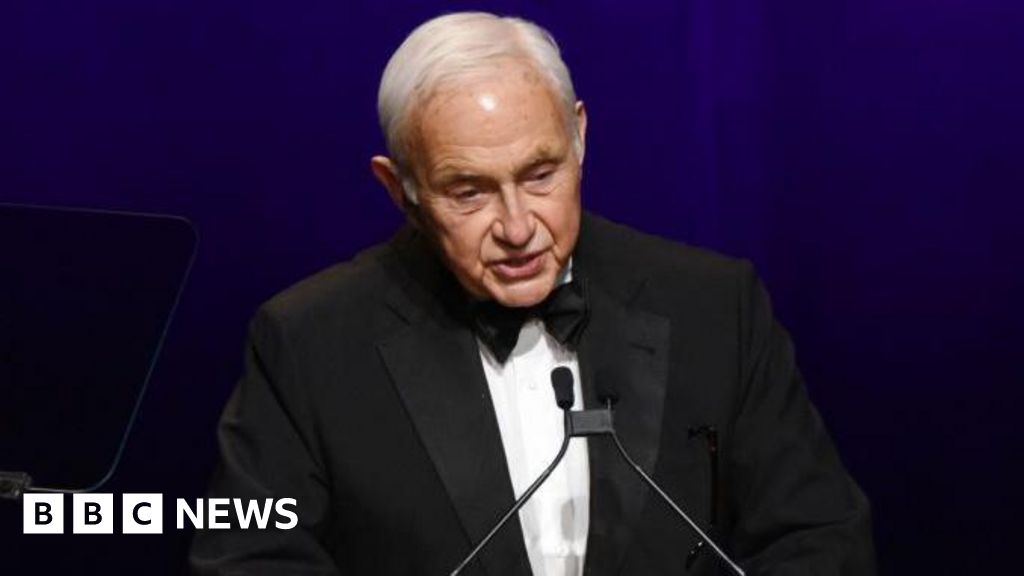
Les Wexner, former CEO of Victoria's Secret, testified to the House Oversight Committee saying he was “naive, foolish and gullible” for trusting Jeffrey Epstein and alleging Epstein misappropriated “vast sums” from Wexner's family while serving as his financial adviser. Wexner denied knowledge of Epstein's abuse, said he visited Epstein's private island only briefly, and reiterated that he was never charged despite being named as a potential co‑conspirator in a 2019 FBI document; his lawyers say prosecutors viewed him as a source, not a target. The hearing — attended by Democratic lawmakers in Ohio — underscores ongoing reputational and governance risks for Wexner-linked businesses but contains no new charges or immediate financial metrics likely to move markets.
Market structure: Short-term winners are competing intimate/apparel retailers (AEO, ticker AEO; PVH, ticker PVH) and private labels that can capture a 1-3% share shift if consumer sentiment hardens over the next 1-3 quarters. VSCO faces reputational and governance pressure that can compress pricing power modestly (1-2% gross margin hit) via promotional activity and higher marketing spend to rebuild trust. Credit markets will reprice idiosyncratic risk: expect VSCO bond spreads to widen 50–150 bps and near-term options IV to rise 20–40% on headline risk.
Risk assessment: Tail risks include class-action litigation, regulatory referrals, or forced governance changes that could cost $100–500m in settlements or restructuring over 12–36 months, and a worst-case brand impairment reducing revenue 5–15% for multiple years. Immediate (days) risk is headline-driven volatility; short-term (weeks–months) risk is loss of mall traffic and wholesale partners; long-term (years) risk is sustained brand damage or capital allocation constraints. Hidden dependencies include licensing deals and wholesale contracts that can trigger covenants if litigation liabilities rise.
Trade implications: Take tactical, size-constrained positions: short VSCO equity or buy puts to capture a likely 10–20% headline-induced drawdown over 1–3 months while going long AEO/PVH to play share reallocation. Use options: buy 3-month ATM put spreads on VSCO (sell lower strike to finance) or buy 6–9 month OTM puts if seeking tail protection; consider buying 2–3% exposure to AEO (long) as a pair trade. Rotate modestly out of discretionary apparel into defensive staples and personal care over the next 3–12 months.
Contrarian angles: Consensus assumes long-lasting brand damage; that may be overdone if VSCO executes governance fixes and boosts marketing — historically (e.g., post-scandal recoveries at Nike and Burberry) brands can regain sales in 12–24 months. If VSCO shares drop >15% without material earnings revisions, consider selective accumulation via 9–12 month LEAP call spreads sized 1–2% of portfolio as a recovery play. The main mispricing risk: headline volatility could create an asymmetric option opportunity to buy downside protection cheaply and sell into recovery.
AI-powered research, real-time alerts, and portfolio analytics for institutional investors.
Request DemoOverall Sentiment
moderately negative
Sentiment Score
-0.30
Ticker Sentiment
