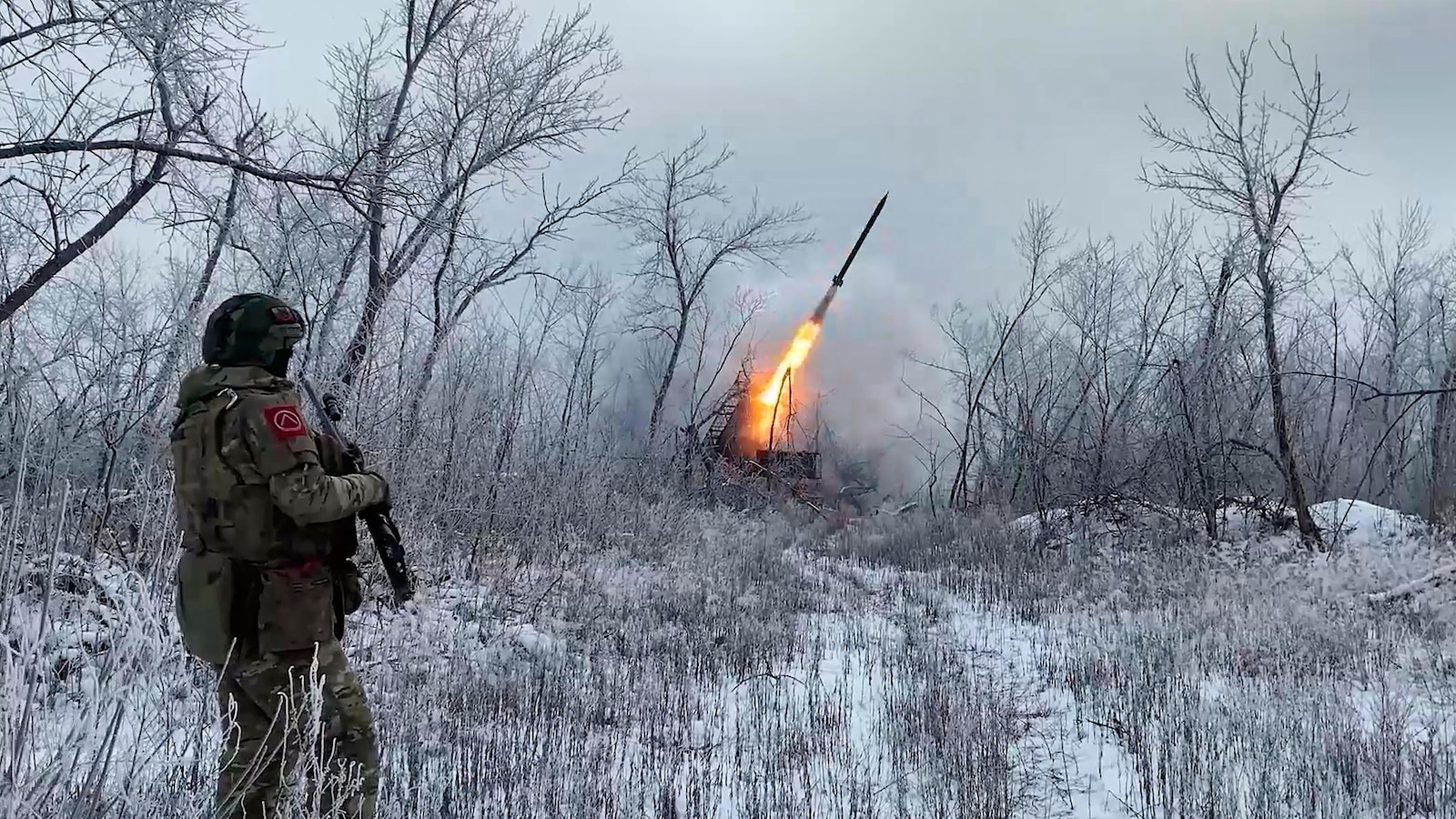
Trilateral US-Ukraine-Russia talks resumed in Abu Dhabi as delegations confront deep disagreements over the fate of the Donbas, control of the Zaporizhzhia nuclear plant, and the nature of post-war Western security guarantees, even as Russia says it remains open to negotiation. The meetings coincided with heavy Russian strikes on Ukraine's energy infrastructure that Kyiv says caused serious grid damage and winter blackouts; Ukraine reported 105 drones launched overnight (88 shot down, 17 impacts across 14 locations). Statements about a short, contested pause in attacks — and continued cross-border strikes — increase near-term energy and geopolitical risk for markets and could sustain risk-off flows until clarity on a durable ceasefire or guarantees emerges.
Market structure: renewed talks + episodic strikes raise a persistent energy-security risk premium: winners are defense primes (Lockheed LMT, Raytheon RTX, General Dynamics GD), grid-hardware and nuclear-safety suppliers, and safe-haven commodities; losers are Ukrainian utilities, regional industrial demand and any Europe-exposed power retailers. Expect a 3–10% near-term uplift in energy/defense volatility and a 2–6% widening of EM sovereign spreads (Ukraine/Russia) if strikes continue through this winter.
Risk assessment: tail risks include a breakdown of talks triggering a supply shock from sanctions or deliberate strikes on export infrastructure (low-medium probability, high impact), or conversely a durable ceasefire that knocks 5–15% off risk premia. Immediate horizon (days): headline-driven VIX/Brent spikes; short-term (weeks–months): options skew and funding costs for EM widen; long-term (quarters): sustained reallocation into defense and energy-resilience capex. Hidden dependencies: winter temperatures, US political timeline, and accuracy of strike attribution; catalysts are verified multi-week cessation or large-scale escalation (>100 missiles/drones in a single wave).
Trade implications: tactically prefer convex plays—buy 3–6 month calls on Brent/WTI (call spreads to cap cost) and 3–9 month call options on LMT/RTX sized 1–2% NAV each; add a 1–2% tactical position in uranium exposure (URA) for 6–12 months given nuclear-safety focus. Hedge with short-dated put protection or buy VIX 1–2 month calls if headline risk spikes; increase cash or Treasury (2–5% shift into 3M–6M T-bills) to preserve optionality.
Contrarian angles: the market may overpay for defense equities if a genuine multi-week pause is confirmed—be ready to trim after a confirmed 30-day halt; conversely, if strikes prove reliable despite talks, energy and defense upside is underpriced. Historical parallel: price action resembles late-2022 episodic-risk spikes—volatility mean-reverts after 4–8 weeks; set objective triggers (e.g., Brent +10% or ceasefire >30 days) to reweight positions.
AI-powered research, real-time alerts, and portfolio analytics for institutional investors.
Request DemoOverall Sentiment
moderately negative
Sentiment Score
-0.42
