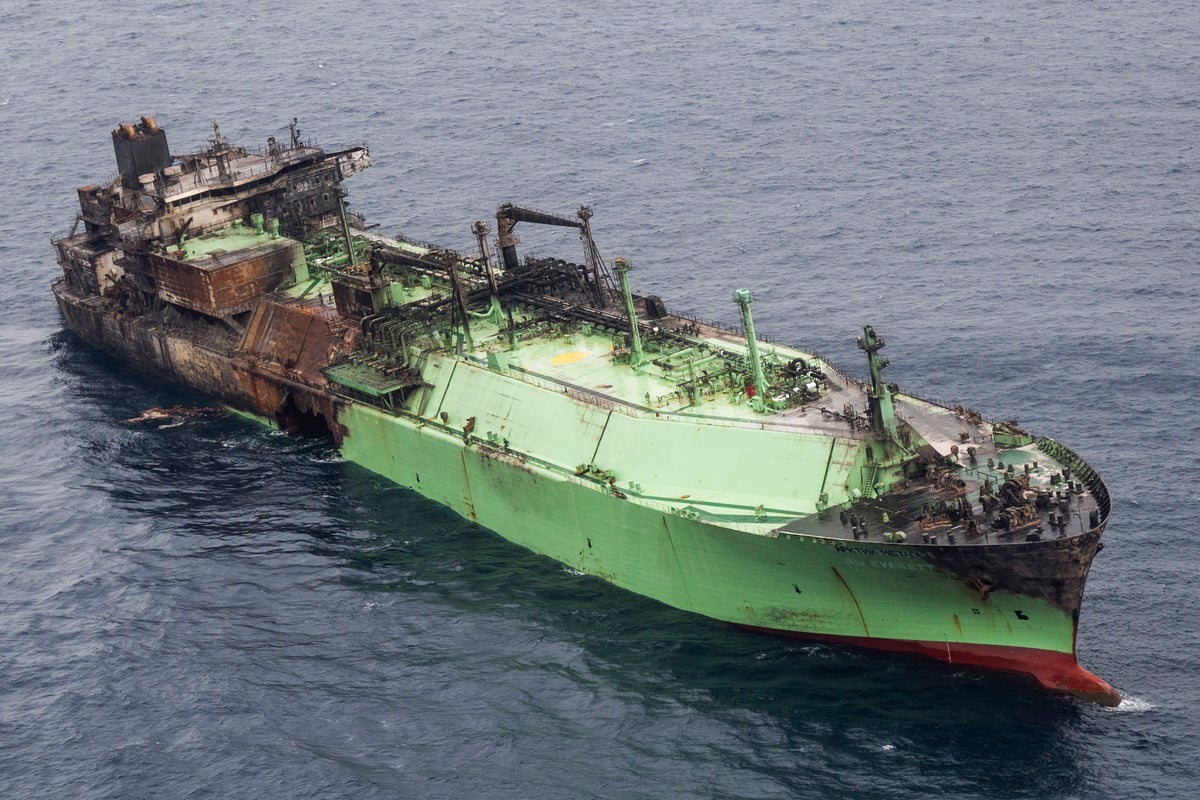
Prime Minister Keir Starmer ordered UK commandos to board and seize Russian 'shadow fleet' vessels in UK waters, coordinating with the 10-country Joint Expeditionary Force; the shadow fleet is reported to include more than 1,000 ageing tankers. The policy aims to force Russian shipments onto longer, more costly routes or risk interception, increasing disruption risk and lifting short-term risk premia for oil, shipping and marine insurance markets. Expect sector-level impacts (energy, shipping, insurance) rather than an immediate broad market shock, but elevated geopolitical risk could sustain higher volatility in energy prices.
This escalation turns maritime interdiction into a demand shock for shipping capacity and insurance rather than a pure oil-supply cut; expect near-term displacement effects that raise freight rates and war-risk premia. If UK interdiction forces even 10–20% longer voyages for a meaningful subset of the ~1,000 “shadow” tankers (longer routing, loitering, ship-to-ship transfers), time-charter-equivalent (TCE) earnings for modern Aframax/VLCC capacity could rise ~15–40% over the next 1–3 months as available tonne-miles tighten and repositioning costs climb.
Defense and maritime services stand to capture persistent upside: equipment, ISR, boarding/specialist logistics and salvage services see multi-year demand uplifts as coalition interdiction becomes doctrine. Conversely, opaque shipowners, smaller owners of older tonnage and specialty insurers face concentrated legal and operational risk; expect a 20–50% step-up in war-risk premiums on affected routes within weeks, compressing net margins for intermediaries and prompting reinsurance capacity re-pricing over 3–12 months.
Main reversal paths are diplomatic/legal (U.N./IMO clarifications, port loopholes) or rapid Russian countermeasures (cyber disruption, asymmetric attacks) that would either normalize shadow routes or escalate costs materially. The market is under-pricing the insurance/freight channel and over-pricing a permanent crude supply deficit — tradeable windows open in days-to-weeks on newsflow but durable structural winners emerge over 6–24 months.
AI-powered research, real-time alerts, and portfolio analytics for institutional investors.
Overall Sentiment
mildly negative
Sentiment Score
-0.15
