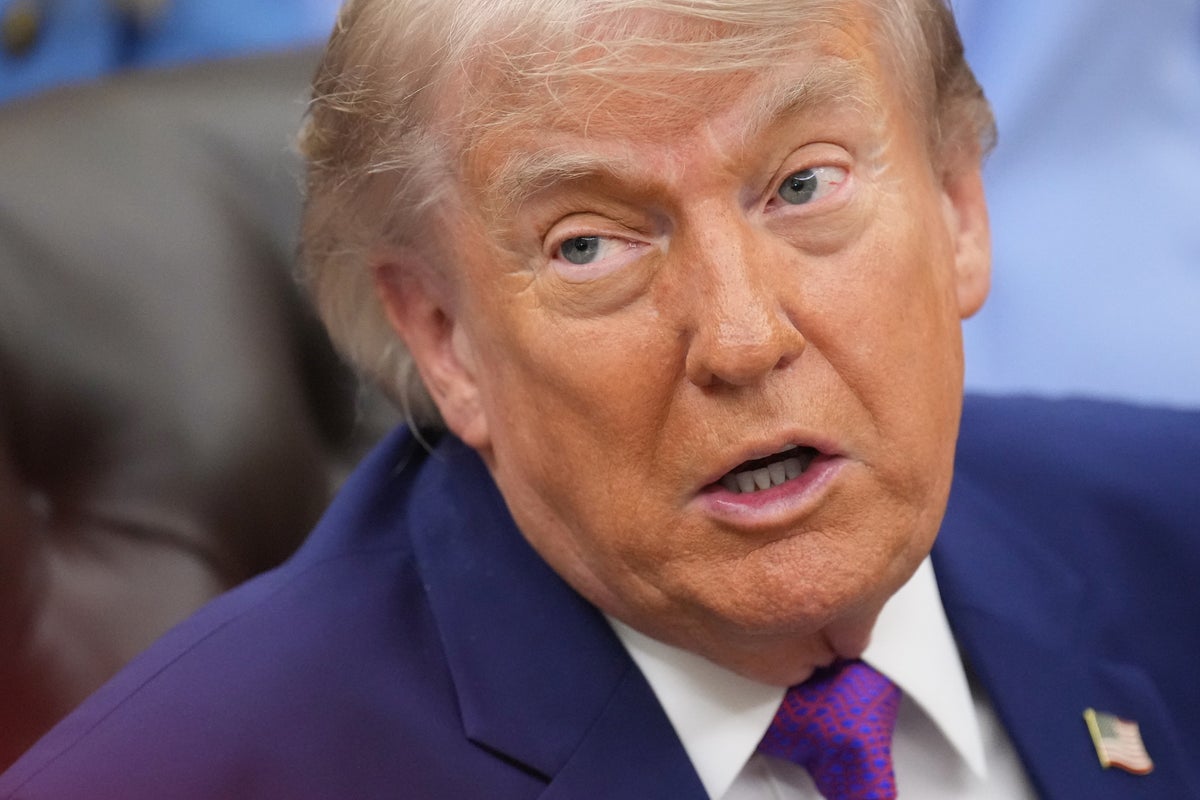
Trump said the military destruction of Iran is "to be continued" and reiterated that the Strait of Hormuz crisis remains unresolved, with the ceasefire described as "on life support." The article highlights continued disruption risks to global oil and gas flows, with the effective closure of the shipping lane contributing to a global energy crisis and higher fuel prices. A US commander said America has the military power to permanently reopen the strait, but the White House has left the policy decision unresolved.
The market is underpricing the probability that this shifts from a “containment” story to a repeated disruption premium. Even without a new kinetic escalation, the combination of intermittent maritime interference, port restrictions, and policy indecision keeps the Strait vulnerable to a classic risk-premium regime: oil spikes first, then refined products, then freight and insurance. The second-order loser is not just crude consumers; it is any business with Gulf transit exposure, including container lines, tankers, and petrochemical feedstock chains that depend on predictable routing and low bunker costs. A key tell is the asymmetry between military capability and political willingness. If the White House is signaling it can reopen the waterway but is not doing so, the market should assume the path of least resistance is negotiated ambiguity rather than decisive suppression. That tends to prolong volatility for 4-12 weeks, because shippers will demand rerouting premiums and insurers will widen war-risk rates even if volumes only partially normalize. The biggest macro transmission is through inflation expectations: a sustained $10-$15/bbl oil move can add enough pressure to delay rate cuts and reprice duration-sensitive assets. The contrarian angle is that the move may be more tactical than structural if Chinese energy/security diplomacy becomes the off-ramp. If Beijing is able to extract transit guarantees while keeping Tehran supplied with commercial support but not weapons, the headline risk can fade faster than positioning resets. But until there is verified, multi-day uninterrupted passage and lower marine insurance quotes, this remains a sell-the-rally environment for transport-sensitive cyclicals and a buy-the-volatility setup in energy and defense. In defense, the direct beneficiaries are the contractors with rapid replenishment and munitions exposure, but the cleaner trade is on supply-chain friction rather than battlefield spending. The market is likely to rotate into assets that monetize disruption persistence: upstream energy, tanker rates, and select defense names with Middle East stockpiling tailwinds. The losers are air freight, ocean freight, airlines, and chemical names with high Gulf feedstock dependency; their earnings revisions will lag spot oil by one or two quarters, creating opportunity for a short thesis before consensus catches up.
AI-powered research, real-time alerts, and portfolio analytics for institutional investors.
Request DemoOverall Sentiment
strongly negative
Sentiment Score
-0.65
