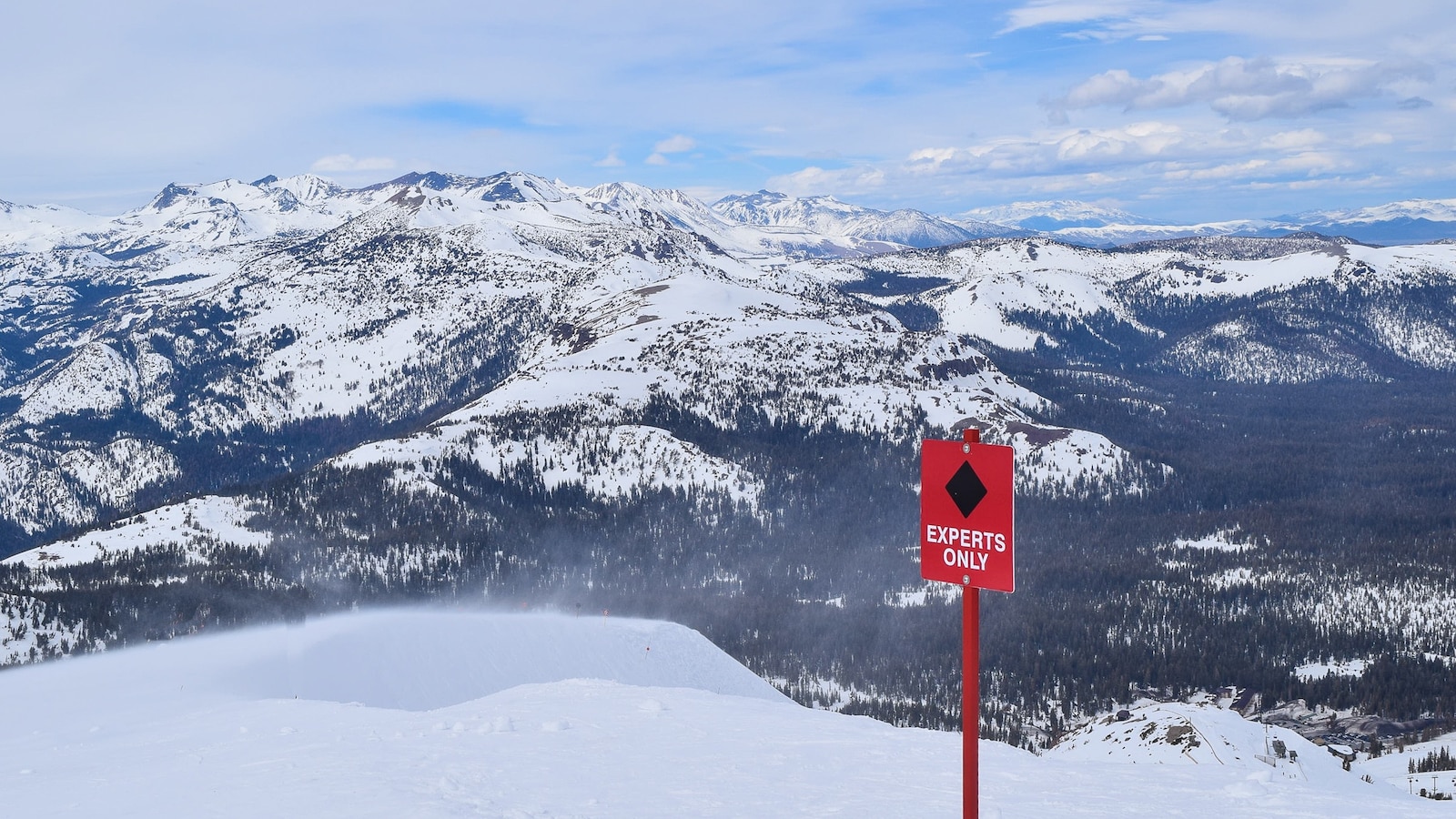
At Mammoth Mountain, two ski patrollers were caught in an avalanche at approximately 7:30 a.m. during pre-opening avalanche mitigation work; one sustained serious injuries and was evacuated for further care while the other was evaluated for possible broken bones. The resort shut for the remainder of the day amid high avalanche danger after receiving more than five feet of snow since Tuesday, representing a short-term operational disruption and potential safety/liability exposure for the operator but unlikely to materially affect its broader financial position.
Market structure: The immediate winners are winter-equipment retailers and apparel chains (DKS, VFC) and travel platforms that monetize increased ski demand (BKNG, EXPE) as 5+ ft early-season snow typically lifts bookings 5–15% over the next 4–12 weeks. Direct losers are individual resort operators facing day-of closures and higher avalanche mitigation costs; a one-day closure at a large resort can cost ~$0.5–2.0M in ticket/lift F&B revenue. Pricing power shifts marginally toward equipment suppliers (higher unit sales) while resorts absorb volatile operating days and staffing/cat-ski costs.
Risk assessment: Tail risks include a severe injury/fatality triggering litigation or state-level regulation that raises mitigation capex +$5–$30M across a regional operator over 12–24 months, compressing EBITDA margins 100–300 bps for smaller chains. Immediate (days): revenue loss and stock volatility; short-term (weeks/months): elevated OPEX for avalanche control and potential insurance cost repricing; long-term (quarters/years): stronger season ticket sales if snow persists (+~8–12% skier-days historically). Hidden dependencies: road access, avy-control equipment supply chains, and regional reinsurance pricing cycles.
Trade implications: Tactical: short 1–2% of resort operator exposure (e.g., MTN) via 30–60 day put spreads to hedge near-term event risk; go 2–3% long multi-channel retailers (DKS, VFC) for 3–6 months to capture elevated gear demand. Pair trade: long DKS (3%) / short MTN (3%) to express retail upside vs. operational disruption. Options: buy 3-month call spreads on DKS or VFC and 1-month protective puts on MTN to limit downside while capturing seasonal upside.
Contrarian angles: Consensus will underweight the positive demand impulse; markets often over-focus on isolated safety incidents while underpricing season-length revenue gains — early heavy snow historically precedes a 8–15% outperformance in ski-exposed equities over the season. Unintended consequences: stricter safety rules could force capital spend that benefits manufacturers/suppliers (snowcats, explosives vendors) more than resorts. Catalyst watch: weekly NSAA skier visit data, state investigations, and insurer filings over the next 30–90 days.
AI-powered research, real-time alerts, and portfolio analytics for institutional investors.
Request DemoOverall Sentiment
mildly negative
Sentiment Score
-0.25
