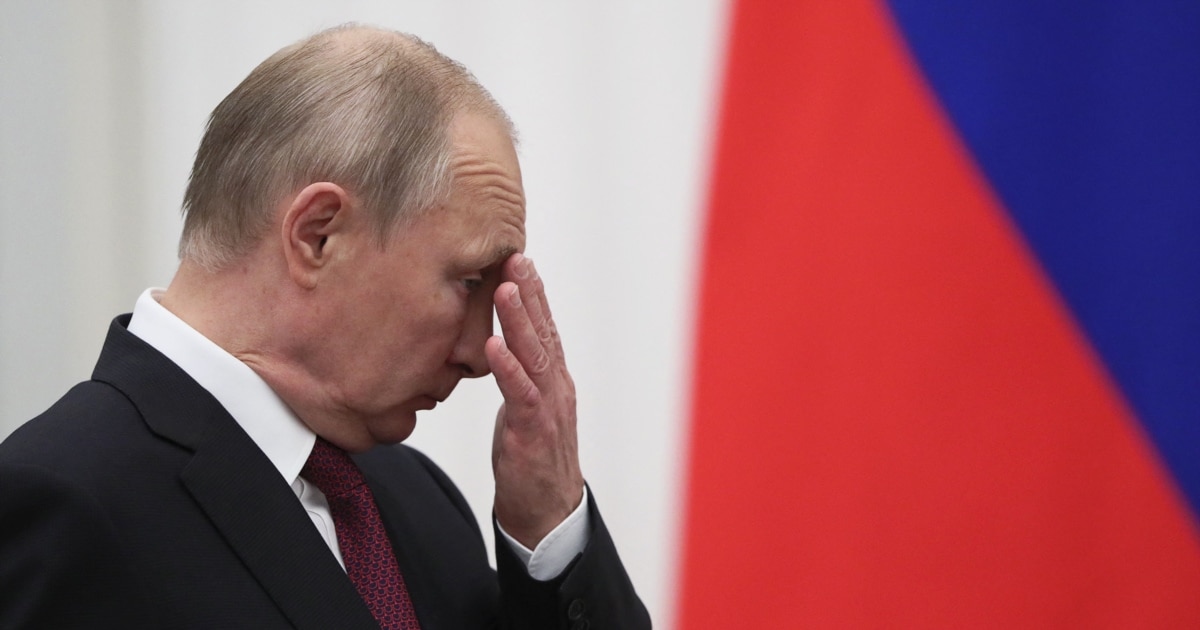
Russia’s Victory Day parade is being scaled back, with the traditional military equipment column reportedly absent for the first time since 2009, underscoring strain from the war in Ukraine and growing security concerns. The article highlights thinner-than-usual foreign attendance, tighter domestic controls including mobile internet restrictions on May 9, and signs of rising elite and public discontent as Putin’s position appears to be eroding. This is politically significant but unlikely to drive direct market moves beyond Russia- and defense-related risk sentiment.
The key market signal is not optics; it is governance strain. A regime that can no longer reliably stage a low-friction domestic spectacle is usually spending more on coercion, internal security, and narrative management, which crowds out productive fiscal capacity and raises the probability of policy mistakes. That dynamic is bearish for Russian sovereign credibility, for any quasi-fiscal entities tied to security spending, and for domestic consumption over the next 3-12 months as logistics friction, mobile shutdowns, and inflationary defense priorities compound.
The more important second-order effect is on elite cohesion. When public pageantry gets smaller while external threats are emphasized, it often means the leadership is shifting from confidence signaling to threat containment; that tends to accelerate factionalism inside the security apparatus rather than suppress it. If that trend persists, the near-term risk is not a clean regime break but more erratic decisions: harsher capital controls, deeper mobilization, broader cyber/jamming disruption, or a larger strike response aimed at restoring deterrence credibility within weeks, not months.
For global markets, the highest beta channel is energy and EM risk sentiment. Escalation that materially raises infrastructure risk in Russia or Ukraine is a bullish tailwind for crude and refined products, but the cleaner trade is in volatility rather than outright directional oil because any spike would likely be met by coordinated diplomatic signaling and demand destruction concerns. A weaker Kremlin also reduces Russia’s ability to serve as a reliable spoiler in neighboring states, which is supportive for selected Central/Eastern European assets, while undermining the investability of Russian-linked credit, pipelines, and logistics over a 6-18 month horizon.
Consensus may be overfocused on coup risk and underfocused on decay risk. The base case is not imminent collapse; it is a more brittle status quo that requires rising repression and higher security spend to sustain, which usually erodes real growth and increases headline risk over time. That makes the trade more about fading any tactical relief in Russia-exposed assets and owning optionality on escalation, rather than betting on a disorderly political rupture.
AI-powered research, real-time alerts, and portfolio analytics for institutional investors.
Request DemoOverall Sentiment
mildly negative
Sentiment Score
-0.35
