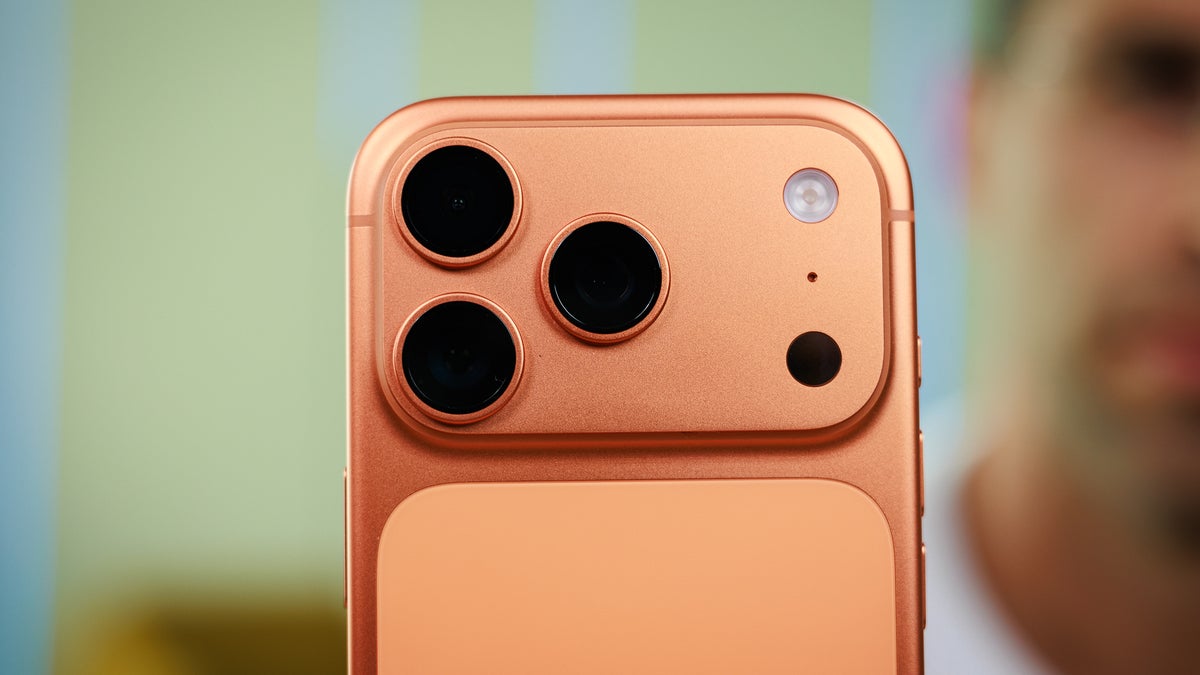
Over 70% of respondents prefer minor or no design changes for the iPhone 18 Pro, with ~35% backing minor tweaks with no price change, ~12% satisfied with new colors only, and ~24% not planning an upgrade this year. Apple is expected to keep pricing unchanged and focus on incremental upgrades (smaller Dynamic Island, a more efficient 2nm chipset, and iOS 27 with AI enhancements), a strategy likely to preserve margins amid rising smartphone prices and reinforce longer upgrade cycles. The piece suggests limited near-term differentiation across competitors (Galaxy S27, Pixel 11) and minimal disruptive impact on the broader smartphone market.
Apple’s decision to prioritize incremental upgrades over visible redesigns is effectively a structural margin-preservation move: by lowering the need for heavy promotional activity tied to “new look” cycles, the company can concentrate capex and marketing on performance features (SoC, AI) that monetize through Services and longer-lived devices. That changes the revenue mix dynamics — slower chassis refreshes transfer value from one-time hardware upsells into recurring services, trade-in capture and higher ASP stability across multi-year ownership cohorts.
On the supply-chain side, incrementalism reallocates demand up the stack. Investments tilt toward leading-edge wafer capacity, equipment and IP (2nm process, EUV tools, packaging) rather than frequent tooling/mold spend for enclosure changes; beneficiaries will be foundry/equipment suppliers while enclosure and small-component vendors face dampened cyclical turnover. Accessory and secondary-market economics also shift: longer compatibility windows increase addressable lifetime for cases and repairs per unit, compressing new-accessory sales but improving lifetime ARPU for services tied to older devices.
Key risks and catalysts are asymmetric: a 2nm yield miss or AI feature under-delivery would materialize quickly around WWDC/product launch windows (3–9 months) and could pressure sentiment; conversely, a clean SoC/AI demo that materially upgrades on-device capabilities would re-rate both Apple and foundry/equipment exposures over 6–18 months. Watch TSMC capacity guidance and iOS AI developer adoption metrics as high-signal, short-to-medium-term catalysts that will validate whether value is shifting to semiconductors and software rather than industrial design.
AI-powered research, real-time alerts, and portfolio analytics for institutional investors.
Request DemoOverall Sentiment
mildly positive
Sentiment Score
0.25
Ticker Sentiment
