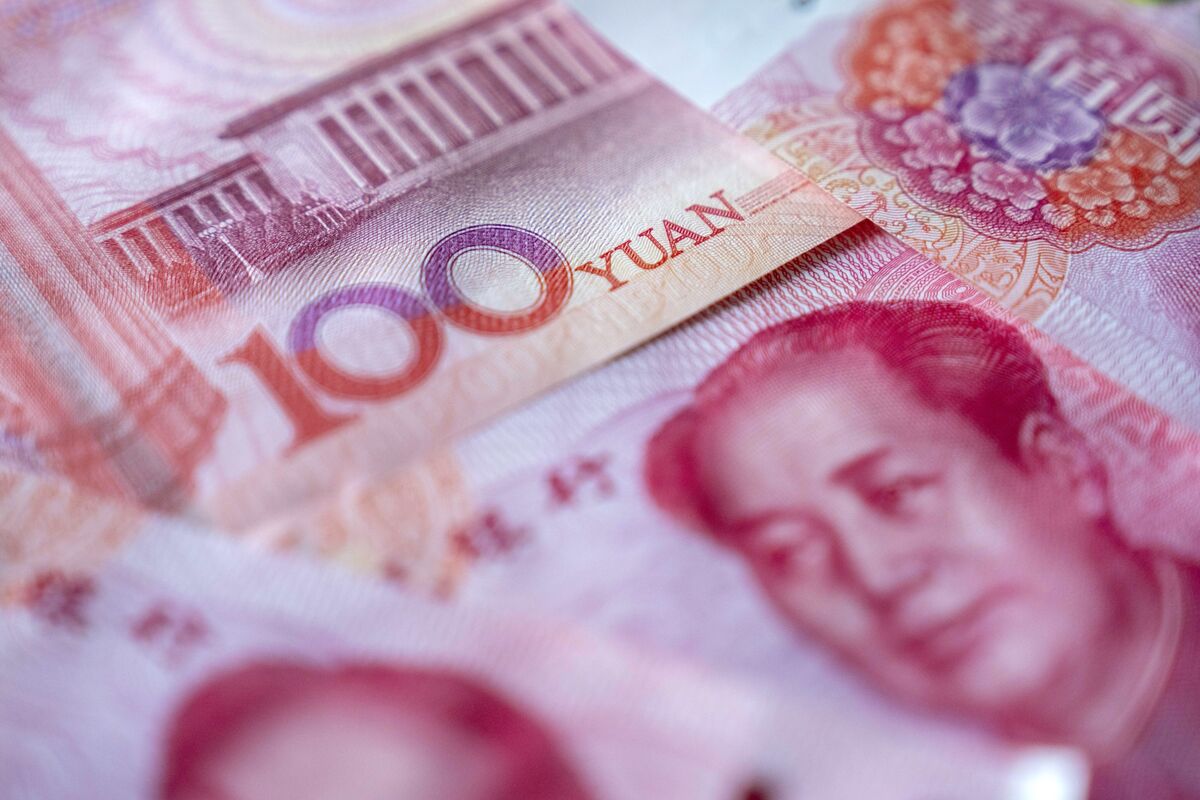
Economists and former officials in the US and Europe are increasingly urging Beijing to strengthen the yuan, citing concerns that its prolonged undervaluation risks escalating trade tensions and distorting China's growth model. Recent studies from prominent think tanks, including the Council on Foreign Relations, highlight the yuan's suppressed real value and its role in bolstering China's export competitiveness, signaling growing international pressure on China's currency policy.
Growing international pressure is mounting on Beijing to allow for the appreciation of the yuan, with influential US and European think tanks, including the Council on Foreign Relations, publishing research highlighting its prolonged undervaluation. The core argument is that the yuan's suppressed real value provides an artificial boost to China's export competitiveness, a dynamic that risks exacerbating global trade tensions. Beyond the immediate trade implications, these analyses suggest that an undervalued currency may also distort China's domestic growth model, potentially hindering its necessary transition away from export-led growth. The rising chorus from economists and former officials, reflected in the mildly negative sentiment and cautious tone, signals a significant point of friction in international economic policy that could escalate diplomatic and trade disputes.
AI-powered research, real-time alerts, and portfolio analytics for institutional investors.
Request DemoOverall Sentiment
mildly negative
Sentiment Score
-0.35
