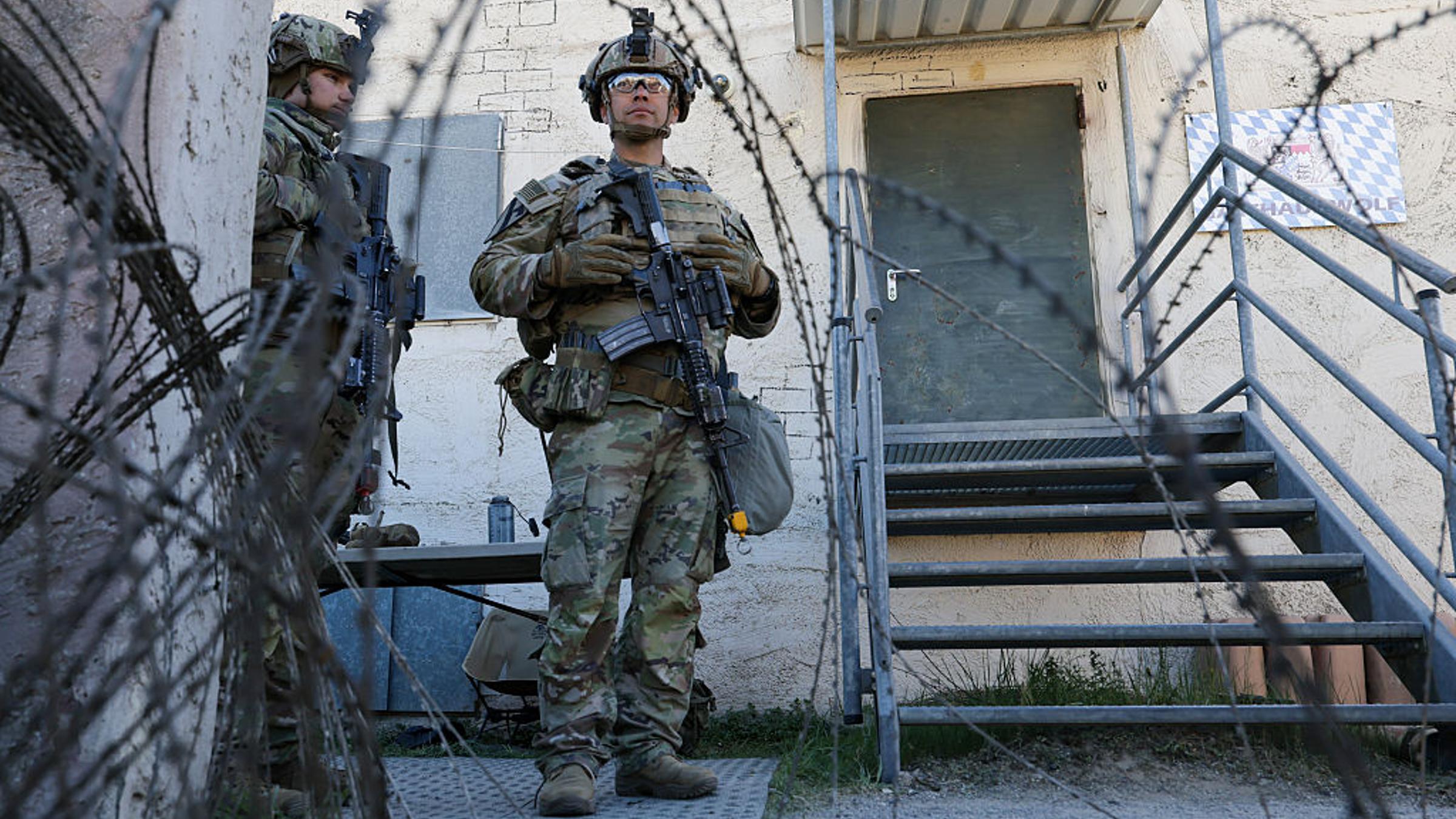
The U.S. is set to withdraw 5,000 troops from Germany, with President Trump signaling even larger pullbacks from Europe and possible reductions in Spain and Italy as well. The Pentagon is also warning NATO allies to expect delays in weapons deliveries while U.S. stockpiles are replenished after the Iran war, raising concerns for Ukraine’s access to Patriot, HIMARS, and NASAMS munitions. The policy shift has triggered allied alarm and Republican pushback, and it could materially affect European security and defense procurement.
This is less about the immediate troop count and more about the repricing of Europe’s security backstop. If the U.S. starts treating basing, munitions access, and NATO force posture as bargaining chips, the first-order loser is European defense planning, but the second-order winner is the European rearmament complex: procurement urgency, stockpiling, and domestic production mandates should all accelerate. The market is likely underestimating how quickly this shifts capex from legacy platforms to air defense, artillery, EW, drones, and munitions capacity rather than headline fighter programs.
The bigger near-term constraint is not troop levels but U.S. inventory depletion. A prolonged squeeze on Patriot, HIMARS, and NASAMS interceptors creates a wedge trade between U.S. defense primes with replenishment exposure and European names that can capture emergency orders as governments try to close the gap. Over the next 1-3 quarters, the most brittle point is Ukraine air defense: even a modest slowdown in resupply raises battlefield attrition and increases the probability of a negative headline cycle around Kyiv, which would be a risk-off catalyst for European cyclicals and a tailwind for defense.
Contrarian take: the political signaling may be more durable than the operational retrenchment. A full-scale, rapid U.S. withdrawal from Europe is expensive, slow, and constrained by logistics and alliance bureaucracy, so the market should focus on gradual degradation rather than a clean break. That said, even a partial drawdown is enough to force Europe into structurally higher defense spending, and that is a multi-year earnings tailwind for the right basket.
The key market risk is mispricing the timing: defense equities can gap on headlines, but procurement revenues lag by 6-18 months. That favors companies with visible backlog conversion and ammo/air-defense exposure over pure-play concepts with long certification cycles. If the U.S. simultaneously hoards inventory for its own readiness, the relative shortage premium should expand for non-U.S. missile and sensor suppliers.
AI-powered research, real-time alerts, and portfolio analytics for institutional investors.
Request DemoOverall Sentiment
strongly negative
Sentiment Score
-0.65
