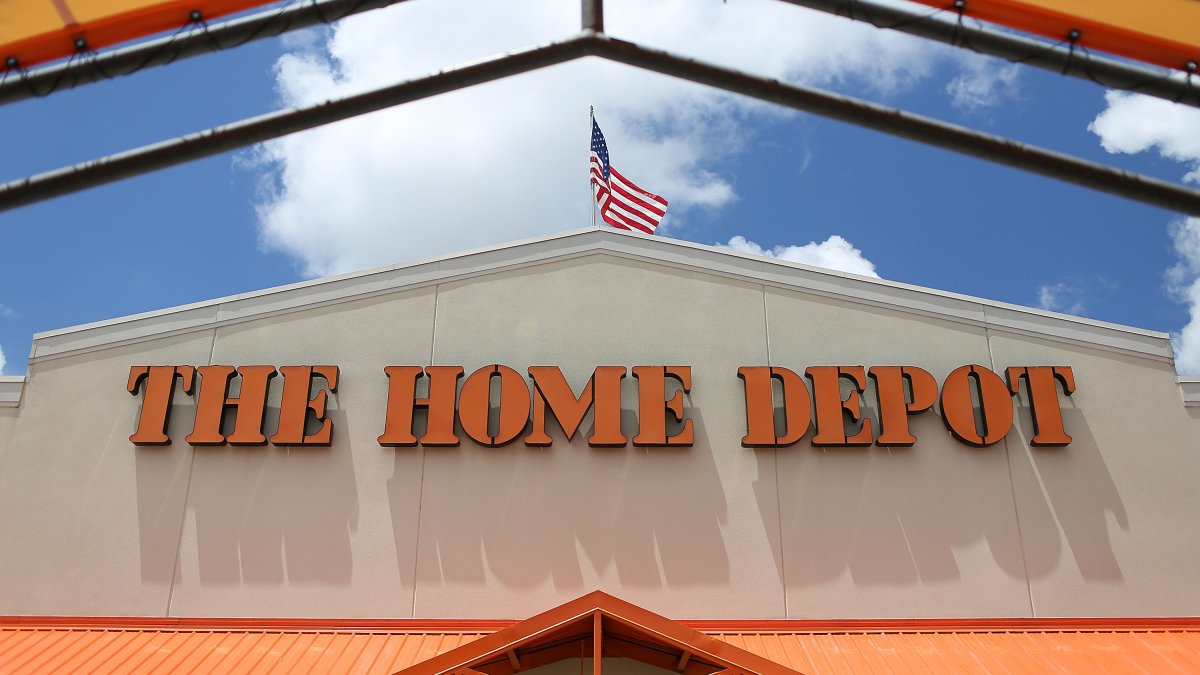
A Home Depot store manager was arrested in an alleged years-long fraud scheme involving more than 4,500 unauthorized markdown orders, with about $55 million in gross sales and roughly $24 million in markdowns. Authorities said the transactions produced a negative sales margin of $4.3 million, implying more than $4 million in losses to Home Depot, while also inflating the manager's bonuses. The case raises governance and internal controls concerns, but the impact is likely company-specific rather than sector-wide.
This is less about a single employee scandal and more about controls leakage inside a mature retailer with thin operating margins. The key second-order effect is that even a low-single-digit integrity failure can translate into a disproportionate hit to reported profitability because gross margin is already structurally tight; if finance and audit have to widen markdown approval controls, the company risks slower sales execution and more friction at the store level. Near-term, that means a modest negative read-through to operating discipline, bonus governance, and internal control confidence rather than a direct demand hit.
The larger issue for equity holders is duration: the market usually discounts these events in days, but remediation can drag for quarters if management has to retool approval workflows, retrain store leaders, and audit historical exceptions. If this incident exposes broader control gaps, it raises the probability of additional findings, restatements of KPI-based incentive comp, or higher SG&A tied to compliance and loss-prevention. That can compress the multiple even if headline sales remain intact, because investors will question whether margin integrity is real or mechanically managed.
From a competitive standpoint, the near-term beneficiary is any retailer with cleaner execution and stronger enterprise controls, especially peers competing on contractor and bulk-buyer relationships. If Home Depot tightens markdown authority, some repeat volume could migrate to regional distributors and specialty channels that are more flexible on pricing, but the bigger risk is not share loss—it is a temporary slowdown in commercial traffic as the company clamps down. The contrarian point: this may be more contained than the headline suggests if the scheme was isolated to one operator and not a systemic policy issue; in that case the stock reaction can overshoot, creating a tradable dislocation once governance remediation is quantified.
AI-powered research, real-time alerts, and portfolio analytics for institutional investors.
Request TrialOverall Sentiment
strongly negative
Sentiment Score
-0.78
Ticker Sentiment
