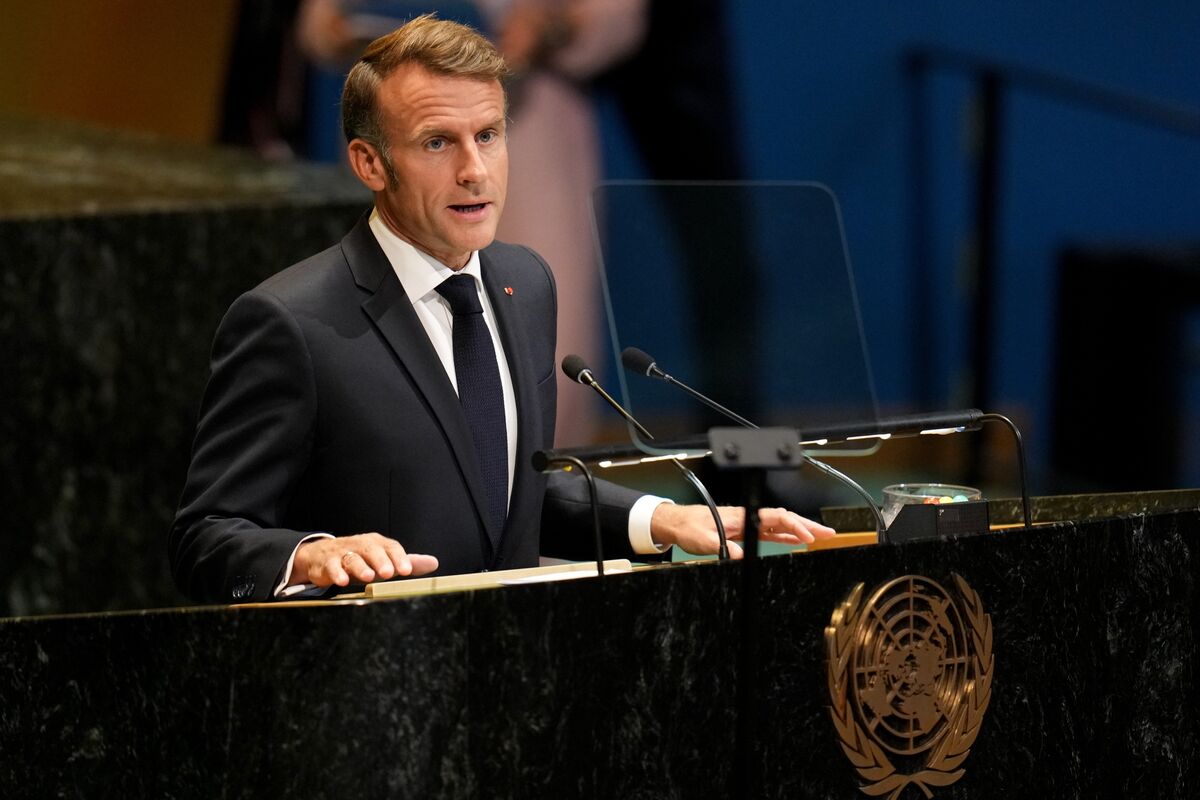
France has officially recognized Palestine as an independent state, a significant diplomatic move announced at a United Nations conference co-led with Saudi Arabia. Both nations used the platform to call for an immediate end to the war in Gaza, with French President Emmanuel Macron emphasizing mutual recognition as the solution to ongoing conflict, signaling increased international pressure on Israel and potential shifts in regional geopolitics.
France's official recognition of a Palestinian state, announced at a United Nations conference co-led with Saudi Arabia, represents a significant diplomatic shift from a permanent member of the UN Security Council. This action, combined with a joint call for an immediate end to the conflict in Gaza, signals intensifying international pressure on Israel and a coordinated effort between a major European power and a key Middle Eastern leader. President Emmanuel Macron's statement that mutual recognition is the only solution to the "cycle of war and destruction" underscores a formalization of France's push for a two-state solution. While the provided data indicates a minimal immediate market impact (score of 0.1), this development adds a layer of complexity to the geopolitical landscape of the Middle East, potentially influencing long-term diplomatic and economic dynamics in the region.
AI-powered research, real-time alerts, and portfolio analytics for institutional investors.
Request DemoOverall Sentiment
neutral
Sentiment Score
0.00
