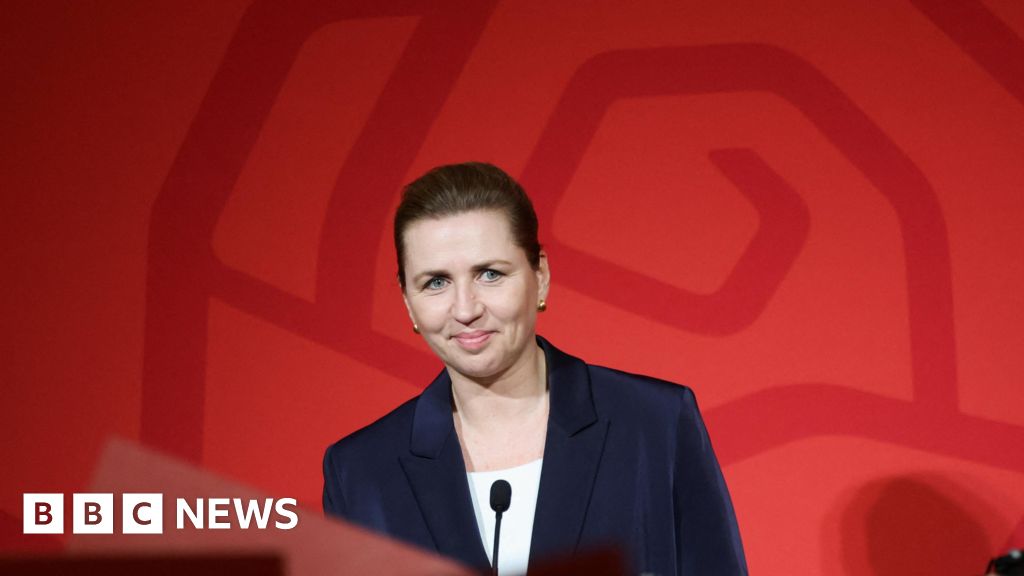
Social Democrats took 21.9% of the vote and 38 seats but fell short of a majority in Denmark's 179-seat parliament; the left 'red bloc' holds 84 seats vs the right 'blue bloc' 77, with 90 seats needed for a majority. The 14-seat Moderates are the kingmaker and could deliver a center-left coalition (Social Democrats, Red-Greens, Moderates, Danish Social Liberal Party) or push the country right; coalition talks may take days or weeks. Key policy issues that will influence negotiations include cost of living, the state of the economy and welfare, plus agriculture-related environmental concerns (pesticides/climate footprint), while Greenland/US tensions remain a geopolitical backdrop.
Coalition uncertainty creates a near-term political risk premium in Danish assets: expect headline-driven volatility over the next days-to-weeks as horse-trading unfolds, and a more durable policy signal only after 4–12 weeks once portfolios of ministries and legislative priorities are agreed. The Moderates’ kingmaker role amplifies binary outcomes — a centre-left coalition that includes centrists will likely produce incremental regulatory tightening on agriculture and modest fiscal loosening, whereas a centre-right outcome would tilt toward business-friendly easing of regulatory friction; position sizing should reflect this binary payoff structure. Stricter rules on pesticides and agricultural emissions materially raise addressable markets for biological/precision ag suppliers and testing/monitoring firms: estimate a 3–5% boost to addressable revenues for incumbents in the first 12–24 months after policy enactment, with adoption curves concentrated among large exporters. Geopolitical noise around Greenland raises optionality for Arctic logistics and defense suppliers over a multi-year horizon; capex cycles for ice-class shipping, surveillance and port infrastructure are long (2–6 years) but can create outsized multi-year compounding for exposed industrials if Washington deepens engagement.
AI-powered research, real-time alerts, and portfolio analytics for institutional investors.
Overall Sentiment
mixed
Sentiment Score
-0.05
