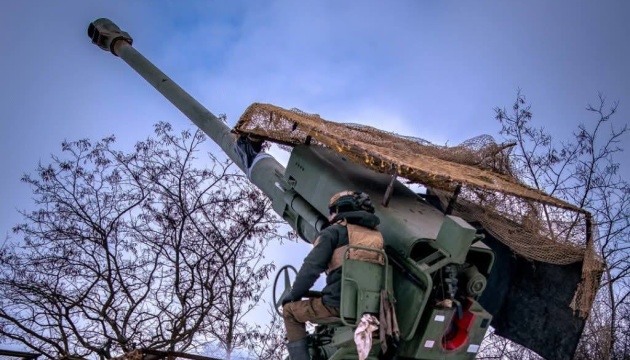
The Ukrainian 77th Separate Airmobile Naddniprianska Brigade reported repelling a Russian assault along the Soyuz pipeline in the Kupiansk sector, stopping an attempted breakthrough by about 50 Russian personnel north of Novoplatonivka and confirming at least 40 Russian servicemen killed; the brigade says the frontline has since stabilized. Russian forces continue small-group infiltration attempts and are reportedly seeking control of the Siverskyi Donets riverbank, maintaining elevated regional security risks and potential localized exposure for energy-transit infrastructure.
Market structure: Tactical fighting along the Soyuz pipeline raises immediate premium for European gas transit risk and benefits LNG sellers, short-term TTF and LNG SPOT desks, and large defense primes (Lockheed LMT, Raytheon RTX, GD). Losers are European pipeline-dependent utilities and distributors (e.g., Engie ENGI.PA, Uniper UN01.DE) that face margin squeeze if spot gas jumps 10–30% over weeks; oil sees small knock-on upside via risk premium (Brent +$2–6). Cross-asset: expect FX pressure on RUB and tighter EUR vs USD, modest sovereign spread widening for Eastern Europe and higher implied volatility in energy and defense equities options.
Risk assessment: Tail risk — a successful pipeline breach or wider ground offensive could force multi-week supply disruption, sending TTF > +50% and triggering EU emergency LNG purchases; probability low-moderate but impact high for winter months. Time horizons: immediate (days) = volatility spikes; short-term (weeks–months) = storage drawdowns and higher procurement costs; long-term (quarters–years) = structural lift to European LNG capex and persistent defense budgets. Hidden dependencies: EU storage levels, weather (cold snap), and sanction dynamics; catalysts include credible physical damage, Russian operational escalations, or NATO policy shifts.
Trade implications: Direct plays — buy 1–3 month TTF call spreads (buy ATM+10% / sell ATM+35%) sized to 0.5–1% NAV for tactical upside, and establish 2–3% combined long in LMT and RTX (equal weight) via 3–6 month calls to capture defense re-rating if conflict persists. Pair trades — long RTX/LMT vs short airline ETF JETS (1% vs 1%) to capture relative strength; hedge macro with 1–2% GLD or UUP positions. Entry/exit: execute options within 7–14 days while IV is contained; add equity exposure if TTF rises >15% for 5 consecutive sessions or Brent > $95 for 3 sessions.
Contrarian angles: Consensus may overprice sustained supply loss — historical pipeline incidents produced sharp ~10–40% spikes then mean reversion once storage and LNG flow adjusted (2014–2015 analog). Avoid large long-dated commodity positions; prefer short-dated, rolled option exposure and equity calls with 3–6 month expiries. Unintended consequences: broader escalation or sanctions could disrupt defense supply chains (backwardation in specific components) — use 5–10% stop-losses on leveraged positions and staggered entries to manage execution risk.
AI-powered research, real-time alerts, and portfolio analytics for institutional investors.
Request DemoOverall Sentiment
mildly negative
Sentiment Score
-0.30
