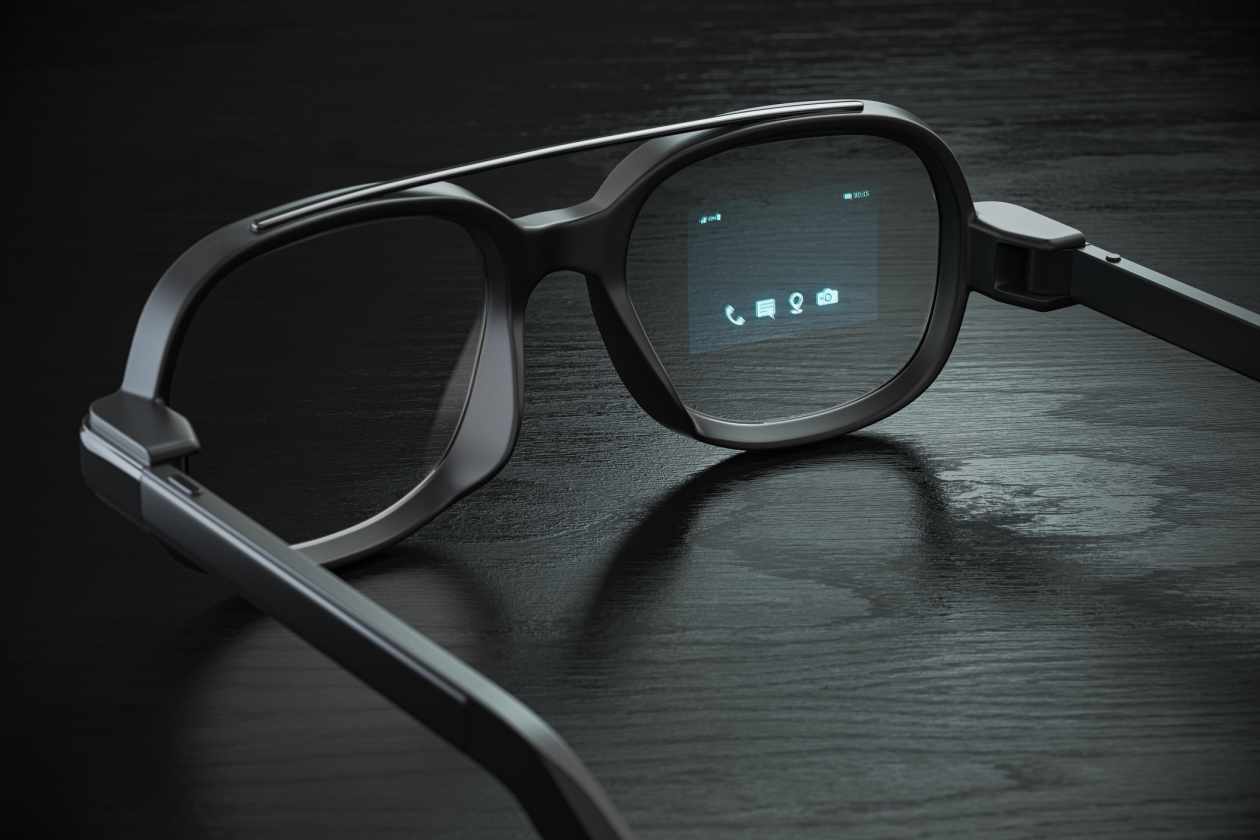
Meta's new Ray-Ban Display smart glasses, priced at $799, mark a significant technological advancement in AI wearables, boosting analyst confidence in Meta's Reality Labs investments. However, mainstream adoption faces substantial hurdles, primarily due to the current price point, the glasses' 67-gram weight, limited 6-hour battery life, and the absence of a true third-party app platform. Analysts project modest near-term sales volumes of 150,000-200,000 units over two years, indicating that while the technology is promising, further improvements are essential for widespread commercial viability and mass market penetration.
Meta Platforms' launch of its $799 Ray-Ban Display smart glasses represents a tangible advancement in its AI wearable technology, yet faces significant barriers to mainstream adoption. While analysts view the product as a material step forward and a validator for the company's substantial Reality Labs investment of over $20 billion annually, near-term commercial success is expected to be constrained. Specific hurdles cited include the price point, which analysts believe needs to fall to around $200 for mass adoption, the device's 67-gram weight, and a limited battery life of up to six hours. Furthermore, the glasses function primarily as a smartphone accessory rather than a standalone platform, lacking support for third-party applications. This cautious outlook is quantified by supply-chain checks indicating modest initial volumes and a sales forecast of only 150,000 to 200,000 units over the next two years, positioning the launch as a strategic milestone rather than a significant near-term revenue driver.
AI-powered research, real-time alerts, and portfolio analytics for institutional investors.
Overall Sentiment
mixed
Sentiment Score
0.10
Ticker Sentiment
