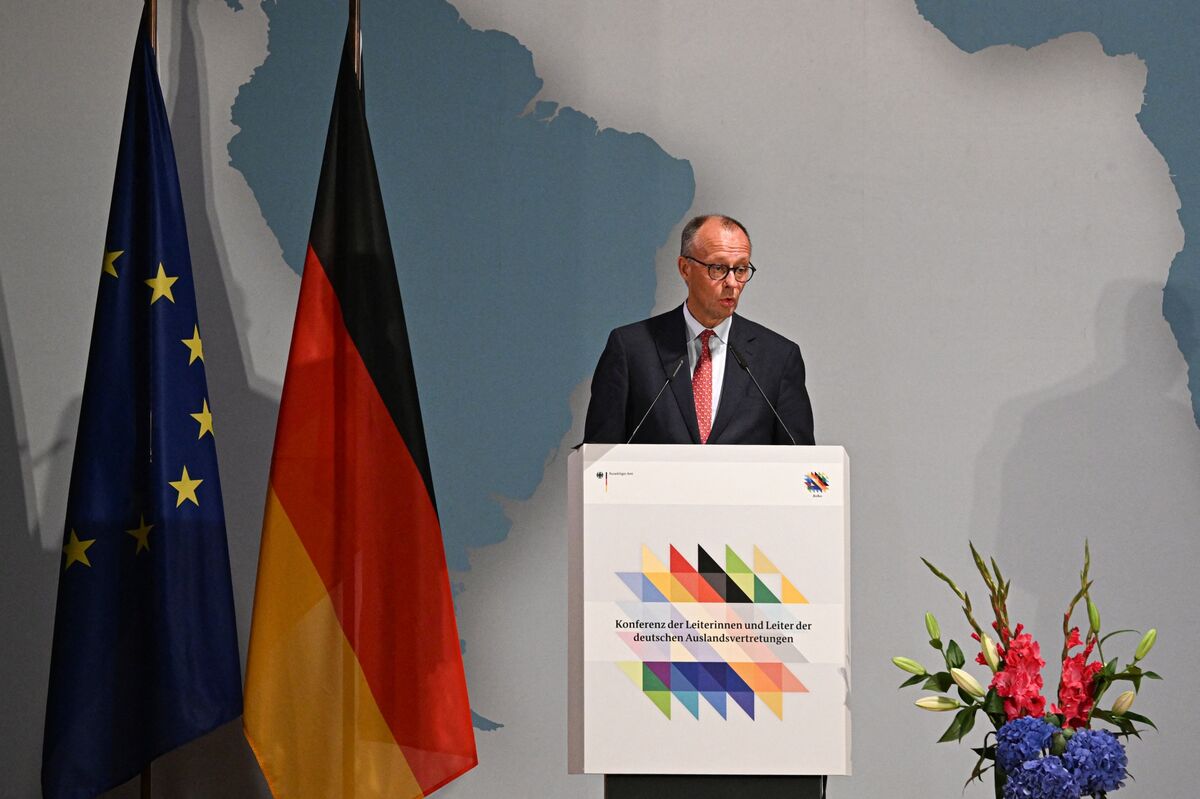
German Chancellor Friedrich Merz warned that China is prepared to exploit Germany's trade vulnerabilities, particularly its reliance on raw materials, which he described as a susceptibility to blackmail. Merz, ahead of his first trip to China, stated that reducing this dependency will be a top priority, signaling a strategic shift in Germany's economic policy aimed at diversifying supply chains and mitigating geopolitical risks with Beijing.
German Chancellor Friedrich Merz has signaled a significant policy shift, identifying Germany's reliance on China for raw materials as a critical trade vulnerability that makes the nation "susceptible to blackmail." By vowing to make the reduction of this dependency a priority ahead of his first visit to China, Merz is framing future German-Sino relations through a lens of geopolitical risk mitigation. This declaration, carrying a moderately negative sentiment score (-0.4) and a notable market impact score of 0.6, suggests that investors should anticipate a more assertive German trade policy. The focus on raw materials directly implicates key industrial sectors and underscores a strategic move towards supply chain diversification, potentially leading to increased costs or operational adjustments for exposed companies.
AI-powered research, real-time alerts, and portfolio analytics for institutional investors.
Request DemoOverall Sentiment
moderately negative
Sentiment Score
-0.40
