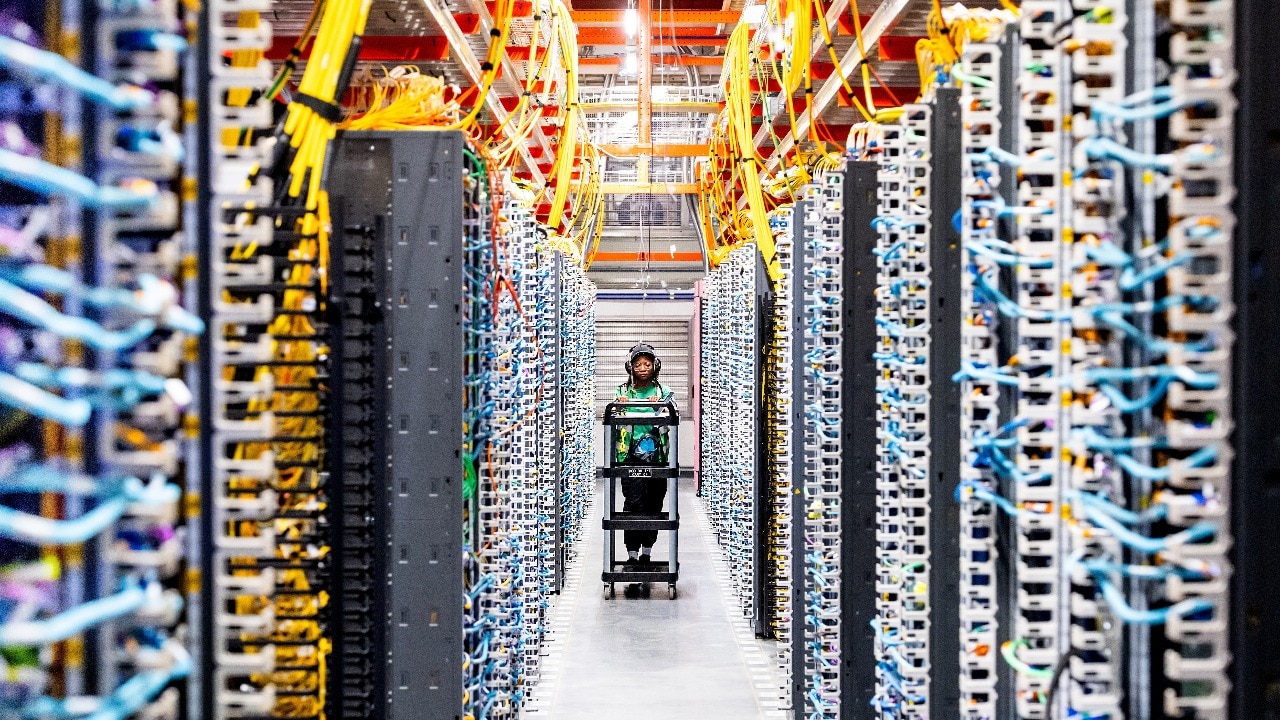
A Cambridge study finds AI data centres increase surrounding surface temperatures by an average of 2°C (up to 9°C in extreme cases), affecting more than 340 million people and extending heat effects up to 10 km from facilities. Rapid data-centre buildout in Indian hubs (Mumbai, Chennai, Hyderabad) could amplify local heat stress, water and energy demand, and raise ESG/regulatory risks for operators and utilities. The effect is reported globally across hotspots in Mexico and Spain, though some researchers call for more peer-reviewed validation.
The immediate investment angle is a sustained hardware and services capex cycle rather than a one-off demand blip. Data-centre operators will need higher-specification cooling, water-management and on-site power gear to maintain SLAs under tighter thermal and regulatory scrutiny, creating multi-year revenue visibility for equipment OEMs and engineering contractors.
Municipal responses (permits, heat-mitigation fees, water/effluent limits, and local grid interconnection constraints) will reprice the economics of large, warm-climate sites and accelerate geographic reallocation toward colder or better-watered regions. That regional shift is a second-order trade: infrastructure owners in Northern Europe/Scandinavia and subsea-capacity providers stand to capture pricing power while some warm-climate landlords and regional REITs could see yields compress.
At the energy-markets level, expect more volatile peak pricing and a premium on fast-response capacity and behind-the-meter solutions; this favors developers that bundle renewables, storage and firming capacity. Insurers and municipal bond markets are an underlooked channel — rising local heat stress can force higher insurance rates and conditional municipal remedies, which will show up first in local muni spreads and industrial insurers’ loss assumptions.
Key catalysts and reversers: local ordinances and insurer repricing can materialize inside 6–24 months; national policy, water allocation and international siting shifts will play out over 1–5 years. Rapid adoption of liquid cooling or economically viable waste-heat reuse would blunt downside to operators and re-route value back to specialist engineering firms rather than real-estate owners.
AI-powered research, real-time alerts, and portfolio analytics for institutional investors.
Request DemoOverall Sentiment
mildly negative
Sentiment Score
-0.35
